Introduction
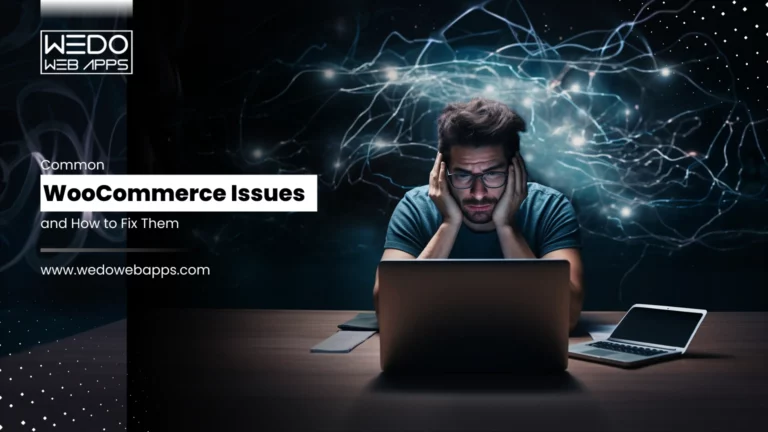
Running a WooCommerce store often looks simple from the outside. You install WordPress, add WooCommerce, upload products, and start selling. But once real traffic, real customers, and real orders come in, many store owners discover that things don't always work as expected.
Your product pages start loading slowly. Customers report that the checkout page is stuck. Orders fail without explanation. A plugin update suddenly breaks an important feature. You search online and find dozens of fragmented answers, forum threads, and technical jargon that only create more confusion.
These are not rare edge cases. They are common WooCommerce issues that thousands of store owners face at different stages of their business.
WooCommerce is an extremely flexible platform, but that flexibility comes with complexity. It relies on your hosting environment, theme quality, plugin choices, and overall configuration. Even small misalignments between these components can trigger performance problems, errors, and unexpected behavior.
The good news is that most WooCommerce problems are diagnosable and fixable without rebuilding your entire store.
This WooCommerce Troubleshooting guide is designed to help you:
- Understand why WooCommerce issues occur
- Identify the most common WooCommerce problems affecting stores
- Apply practical, step-by-step fixes
- Recognize when an issue signals a deeper technical limitation
Whether you're dealing with slow load times, checkout failures, plugin conflicts, or update errors, this troubleshooting guide walks you through proven WooCommerce problems and fixes to stabilize and optimize your store.
If your WooCommerce store feels unreliable, unpredictable, or harder to manage than it should be, you're in the right place.
Why WooCommerce Issues Happen?
Many store owners assume that when something breaks in WooCommerce, it means the eCommerce platform itself is unstable. In reality, most WooCommerce issues are not caused by WooCommerce alone, but by how different parts of your website environment interact with each other.
WooCommerce is built on top of WordPress and depends heavily on themes, plugins, server resources, and configuration settings. When any of these layers are misaligned, problems start to surface.
Here are the most common reasons WooCommerce stores run into issues:
1. Plugin-Heavy Ecosystem
Running an online WooCommerce store typically rely on multiple plugins for:
- Payment gateways
- Shipping rules
- SEO
- Caching
- Security
- Marketing tools
Each plugin adds code that runs alongside WooCommerce. While most plugins are well-built, conflicts can occur when two plugins attempt to modify the same function or hook.
As your plugin stack grows, so does the risk of:
- Feature collisions
- JavaScript errors
- Slower performance
- Unexpected checkout behavior
Even reputable plugins can conflict with each other after updates.
2. Hosting Environment Limitations
WooCommerce is resource-intensive compared to basic WordPress sites.
Low-cost or shared hosting plans often struggle with:
- High database queries
- PHP memory usage
- Concurrent visitors
- Background WooCommerce processes
When server resources are insufficient, stores experience:
- Slow page loads
- Timeouts
- Random 500 errors
- Failed order processing
Hosting limitations are one of the biggest hidden causes of WooCommerce performance issues.
3. Theme Compatibility Problems
Not all WordPress themes are properly optimized for WooCommerce.
Poorly coded themes can:
- Override WooCommerce templates incorrectly
- Break cart and checkout layouts
- Load unnecessary scripts
- Cause mobile display issues
Even themes labeled "WooCommerce-ready" may not follow best practices consistently.
4. Outdated Software Versions
Running outdated versions of:
- WordPress
- WooCommerce
- Plugins
- PHP
creates compatibility gaps.
Newer plugins expect modern PHP functions. WooCommerce updates assume current WordPress versions. When your stack is mismatched, errors and malfunctions become more likely.
5. Rushed or Improper Configuration
During store setup, small configuration mistakes can create long-term issues, such as:
- Incorrect permalink structure
- Missing pages (cart, checkout, my account)
- Improper tax or currency settings
- Wrong caching rules
These common WooCommerce mistakes don't always break the site immediately but surface later as traffic increases.
6. Growing Store Complexity
As your business grows, you may add:
- More products
- Variations
- Custom fields
- Third-party integrations
What worked for a 20-product store may struggle with 2,000 products. Scaling introduces performance and architectural challenges that basic setups were never designed to handle.
Understanding these root causes makes troubleshooting much easier. Instead of randomly applying fixes, you can narrow problems down to the correct layer: plugin, theme, server, configuration, or core WooCommerce. WooCommerce development experts can help you troubleshoot and solve your problems more easily and quickly.
Next, we'll break down the most common WooCommerce issues store owners face, starting with one of the biggest pain point: performance.
Most Common WooCommerce Issues
WooCommerce Performance Issues
Slow speed is one of the most common WooCommerce problems, and also one of the most damaging.
A slow store doesn't just frustrate visitors. It directly affects:
- Conversion rates
- Search engine rankings
- Bounce rates
- Customer trust
If your WooCommerce store feels sluggish, the issue usually appears in one or more of these areas.
Common Performance Symptoms
- Product pages take several seconds to load
- Cart and checkout pages feel heavy
- The admin dashboard is slow
- Backend actions (saving products, updating orders) lag
- Traffic spikes cause the site to crash
These symptoms point to resource bottlenecks rather than a single broken feature.
Why WooCommerce Stores Become Slow
Several factors commonly contribute to performance issues:
- Too many active plugins
- Heavy or poorly optimized theme
- Large unoptimized images
- No caching or incorrect caching
- Low-quality hosting
- Large product database with no indexing
- Excessive external API calls
Most stores experience a combination of these.
How to Fix WooCommerce Performance Issues
Here are practical steps you can take to improve WooCommerce performance issues:
1. Test Your Site Speed
Use tools like:
- Google PageSpeed Insights
- GTmetrix
- WebPageTest
Focus on:
- Time to First Byte (TTFB)
- Largest Contentful Paint (LCP)
- Server response time
If the server response is slow, optimization at the code level alone will not fix the problem.
2. Upgrade Hosting (If Needed)
WooCommerce performs best on:
- VPS hosting
- Managed WordPress/WooCommerce hosting
- Cloud servers with dedicated resources
Avoid cheap shared hosting for growing stores.
Key hosting features to look for:
- SSD storage
- PHP 8+ support
- Object caching (Redis or Memcached)
- Sufficient PHP memory limit
3. Use Caching Correctly
Install a reputable caching plugin and configure:
- Page caching (excluding cart, checkout, and account pages)
- Browser caching
- GZIP or Brotli compression
Important: Never cache cart and checkout pages.
4. Optimize Images
- Compress all product images
- Use WebP format when possible
- Enable lazy loading
Large images are one of the fastest ways to slow down a store.
5. Remove Unused Plugins
Deactivate and delete:
- Plugins no longer in use
- Duplicate functionality plugins
- Heavy plugins with poor reviews
Fewer plugins equal fewer conflicts and faster load times.
6. Enable Object Caching
Object caching reduces database queries and significantly improves WooCommerce performance.
If your host supports Redis or Memcached, enable it.
7. Clean and Optimize Database
Use a database optimization plugin to:
- Remove post revisions
- Delete transients
- Clean expired sessions
Always take a backup before database cleanup.
When Performance Issues Signal Deeper Problems
If your store remains slow after applying basic optimizations, the problem may be:
- Poor database structure
- Inefficient custom code
- Overloaded server architecture
At this stage, surface-level fixes won't be enough.
Checkout and Cart Errors
Checkout and cart problems are among the most serious WooCommerce issues because they stop customers from completing purchases.
Even if everything else in your store works perfectly, a broken checkout means lost revenue.
Common Checkout and Cart Problems
- Add to cart button is not working
- Cart page not updating
- The checkout page is not loading
- Customers cannot place orders
- Infinite loading spinner at checkout
- Error messages with no explanation
These problems often appear suddenly after installing a plugin, changing a theme, or updating WooCommerce.
Why Checkout and Cart Errors Occur
- JavaScript conflicts
- Cached cart or checkout pages
- Plugin incompatibility
- Missing WooCommerce pages
- Payment gateway errors
- Theme overriding WooCommerce templates incorrectly
How to Fix Checkout and Cart Errors
1. Clear Cache and Disable Caching on Cart and Checkout
Make sure:
- Cart, checkout, and my account pages are excluded from caching
- CDN cache is cleared
Cached dynamic pages are a very common cause of broken carts.
2. Check That WooCommerce Pages Exist
Go to:
WooCommerce -> Status -> Tools -> Create Default Pages
This recreates:
- Cart
- Checkout
- My Account
- Shop
Then reassign these pages under:
WooCommerce -> Settings -> Advanced
3. Test for Plugin Conflicts
- Disable all plugins except WooCommerce
- Test checkout
- Re-enable plugins one by one
When the issue returns, you've found the conflicting plugin.
4. Switch to a Default Theme Temporarily
Activate a default WordPress theme (like Twenty Twenty-Four).
If checkout works, your theme is causing the issue.
5. Check Browser Console Errors
Open developer tools in your browser and look for JavaScript errors.
Errors often point directly to the plugin or script causing failure.
6. Increase PHP Memory Limit
Low memory can break checkout processing.
Recommended:
define('WP_MEMORY_LIMIT', '256M');
Add this to wp-config.php.
7. Test Payment Gateway Separately
- Enable only one payment gateway
- Place a test order
If it works, the issue may be gateway-specific.
When Checkout Problems Keep Coming Back
Recurring checkout issues often mean:
- Poor theme quality
- Too many overlapping plugins
- Hosting limitations
These stores usually need structural cleanup rather than repeated patch fixes.
Plugin Conflicts and Compatibility Problems
Plugins are one of WooCommerce's biggest strengths, and also one of its biggest risk areas.
Most WooCommerce stores rely on multiple plugins to extend functionality. But when plugins are built by different developers, follow different coding standards, or update on different schedules, conflicts become inevitable.
Common Signs of Plugin Conflicts
- Features suddenly stop working
- White screen after plugin activation
- Random errors across the site
- Checkout breaks after installing a plugin
- Admin pages fail to load
These issues often appear immediately after installing or updating a plugin.
Why Plugin Conflicts Happen
- Two plugins modify the same WooCommerce hooks
- Outdated plugin versions
- Poorly coded plugins
- Plugins incompatible with your PHP version
- Conflicts between free and premium versions
How to Fix Plugin Conflicts
1. Identify the Conflicting Plugin
- Deactivate all plugins except WooCommerce
- Check if the issue disappears
- Reactivate plugins one at a time
This remains the fastest and most reliable method.
2. Check Plugin Compatibility
Before using any plugin:
- Check the last update date
- Check compatibility with your WooCommerce version
- Read recent reviews
Avoid plugins that haven't been updated in over 6-12 months.
3. Replace Heavy Plugins
Some plugins try to do too much.
If a plugin:
- Adds many features you don't use
- Slows down the site
- Causes repeated issues
Replace it with a lightweight alternative.
4. Update Plugins Safely
Always:
- Take a full backup
- Update in the staging environment first
- Test key flows (cart, checkout, payments)
Never update blindly on live sites.
5. Check PHP Version Compatibility
Some plugins break on newer PHP versions.
Try switching between supported PHP versions in the hosting panel and retest.
When Plugin Conflicts Become Chronic
If every new plugin introduces issues, your store may have:
- Fragile architecture
- Over-customized core files
- Technical debt
At this stage, ongoing patching becomes inefficient.
Theme-Related Issues
Your theme controls how WooCommerce outputs and displays content. If a theme is poorly coded or not fully compatible with WooCommerce, it can cause layout breaks, missing features, and functional errors.
Many WooCommerce issues are ultimately traced back to theme behavior.
Common Theme-Related Problems
- Product pages look broken
- Add to cart button mis issing
- Cart or checkout layout distorted
- Styling inconsistent across pages
- Mobile display issues
Why Theme Issues Occur
- Theme overrides WooCommerce templates incorrectly
- Outdated theme version
- Customizations made directly to theme files
- Theme not tested with the latest WooCommerce version
How to Fix Theme-Related Issues
1. Switch to a Default Theme for Testing
Activate a default WordPress theme. If the issue disappears, your theme is the source.
2. Update the Theme
Ensure you're running the latest version. Outdated themes often break after WooCommerce updates.
3. Avoid Direct Theme File Edits
Custom changes should be placed in:
- Child theme
- Custom plugin
Direct edits are overwritten during updates.
4. Check Template Overrides
Go to:
WooCommerce -> Status -> System Status
Look for outdated template overrides.
Update or remove outdated overrides.
5. Choose WooCommerce-Optimized Themes
Themes built specifically for WooCommerce generally follow proper standards.
When Theme Problems Suggest a Rebuild
If your theme:
- Uses old frameworks
- Has heavy custom modifications
- Breaks after every update
It may be more efficient to migrate to a better foundation.
Payment Gateway Issues
Payment problems are especially stressful because customers may attempt to pay, fail, and never return.
Even small gateway misconfigurations can result in:
- Failed payments
- Abandoned carts
- Duplicate orders
- Orders stuck in "pending" status
Common Payment Gateway Problems
- Gateway not showing on checkout
- Payment failing without an error message
- Orders remain pending after payment
- Customers redirected incorrectly
- Webhook failures
Why Payment Gateway Issues Happen
- Incorrect API keys
- Disabled gateway settings
- Plugin conflicts
- The server firewall is blocking gateway requests
- SSL certificate problems
How to Fix Payment Gateway Issues
1. Recheck Gateway Settings
Verify:
- API keys
- Mode (test vs live)
- Currency compatibility
Small typos can break payments.
2. Enable Gateway Logs
Most payment plugins offer logging. Check logs to see exact error messages.
3. Confirm SSL Certificate
Checkout must run on HTTPS. Mixed content warnings or expired certificates can block payments.
4. Test With Only One Gateway Enabled
Disable all other gateways and test. If it works, another gateway plugin may be interfering.
5. Check Webhooks and IP Whitelisting
Some gateways require:
- Webhook URLs set
- Server IP whitelisted
Missing webhooks can cause order status problems.
When Payment Problems Persist
Persistent issues may indicate:
- Server firewall restrictions
- Incorrect server time settings
- Hosting-level security blocks
These require server-level investigation.
Email Notification Problems
WooCommerce relies on WordPress's default mail system, which is not always reliable on many hosting environments. As a result, email issues are very common.
Missing order emails create confusion for both store owners and customers.
Common Email Issues
- Customer not receiving order confirmation
- Admin not receiving new order notifications
- Password reset emails not sent
- Emails landing in spam
Why WooCommerce Emails Fail
- Hosting server blocks PHP mail
- No SMTP configuration
- Emails flagged as spam
- Plugin conflicts
How to Fix Email Notification Problems
1. Use SMTP Instead of PHP Mail
Install an SMTP plugin and connect:
- Gmail
- Outlook
- Transactional email service
SMTP is far more reliable.
2. Configure From Name and From Email
Use:
- A domain-based email (e.g., orders@yourdomain.com)
- Not free Gmail addresses
This improves deliverability.
3. Send Test Emails
Most SMTP plugins include test email features.
4. Check Spam Folder
If emails land in spam, adjust sender settings.
When Emails Still Don't Work
Your hosting provider may block outgoing mail. Ask hosting support to verify the mail configuration.
WooCommerce Update Errors
Updates are necessary for security and performance, but they are also one of the most common moments when WooCommerce stores break.
Many store owners click "update" expecting a smooth process and instead end up with a crashed site.
Common Update-Related Problems
- Site shows white screen after update
- Admin panel inaccessible
- Features missing
- Plugin compatibility errors
- Fatal PHP errors
Why Updates Break WooCommerce Stores
- Plugin incompatible with new version
- Theme incompatible with new version
- Outdated PHP version
- Custom code conflicts
How to Fix WooCommerce Update Errors
1. Restore Backup
If your site breaks after the update, restore the latest backup. This returns your store to a working state.
2. Update in Correct Order
Recommended order:
- WordPress core
- WooCommerce
- Plugins
- Theme
3. Update in Staging Environment
Always test updates in staging before live.
4. Check Error Logs
Server error logs show the exact failure reason.
5. Increase PHP Memory Limit
Updates require extra memory.
Preventing Future Update Failures
- Use the staging site
- Update regularly
- Remove abandoned plugins
WooCommerce Update Errors
Updates are necessary for security and performance, but they are also one of the most common moments when WooCommerce stores break.
Many store owners click "update" expecting a smooth process and instead end up with a crashed site.
Common Update-Related Problems
- The site shows a white screen after the update
- Admin panel inaccessible
- Features missing
- Plugin compatibility errors
- Fatal PHP errors
Why Updates Break WooCommerce Stores
- Plugin incompatible with the new version
- Theme incompatible with the new version
- Outdated PHP version
- Custom code conflicts
How to Fix WooCommerce Update Errors
1. Restore Backup
If your site breaks after the update, restore the latest backup. This returns your store to a working state.
2. Update in Correct Order
Recommended order:
- WordPress core
- WooCommerce
- Plugins
- Theme
3. Update in Staging Environment
Always test updates in staging before live.
4. Check Error Logs
Server error logs show the exact failure reason.
5. Increase PHP Memory Limit
Updates require extra memory.
Preventing Future Update Failures
- Use the staging site
- Update regularly
- Remove abandoned plugins
Security and Malware Issues
Security problems are often invisible at first, but they can quietly damage your WooCommerce store, hurt SEO rankings, and put customer data at risk.
Many store owners only realize there's a security issue after traffic drops or customers report strange behavior.
Common Security Warning Signs
- Unexpected redirects
- Spam product pages
- Unknown admin users
- Slow site without explanation
- The hosting provider sends a malware warning
Why WooCommerce Stores Get Hacked
- Outdated plugins or themes
- Weak passwords
- No firewall protection
- Pirated themes/plugins
- Insecure hosting
How to Fix Security and Malware Issues
1. Scan Your Site
Use security plugins to scan for malware.
2. Remove Infected Files
Delete or clean infected files.
3. Change All Passwords
Update:
- WordPress admin
- Hosting
- FTP
- Database
4. Reinstall WordPress Core Files
This removes corrupted core files.
5. Add Firewall Protection
Enable web application firewall.
How to Prevent Future Security Problems
- Regular updates
- Strong passwords
- Two-factor authentication
- Daily backups
How to Fix WooCommerce Issues (Step-by-Step Troubleshooting Guide)
When something goes wrong in WooCommerce, randomly trying fixes can make the situation worse.
A structured troubleshooting process helps you identify the root cause quickly and avoid unnecessary changes.
Use the following steps in order.
Step 1: Enable Debugging and Identify Errors
Turn on WordPress debugging:
define('WP_DEBUG', true);
define('WP_DEBUG_LOG', true);
define('WP_DEBUG_DISPLAY', false);
This logs errors into a file instead of showing them publicly.
Check:
- wp-content/debug.log
- Hosting error logs
Look for fatal errors, warnings, or plugin references.
Step 2: Check for Plugin Conflicts
- Deactivate all plugins except WooCommerce
- Test the issue
- Reactivate plugins one by one
This isolates the conflict.
Step 3: Switch to a Default Theme Temporarily
Activate a default theme.
If the problem disappears, your theme is responsible.
Step 4: Verify Hosting Environment Requirements
Confirm:
- PHP 8+
- MySQL 5.7+ or MariaDB 10.3+
- PHP memory limit 256MB+
Low resources cause many WooCommerce problems.
Step 5: Clear Cache and Regenerate Data
- Clear site cache
- Clear CDN cache
- Regenerate thumbnails
- Flush permalinks
Step 6: Update WooCommerce, WordPress, and Plugins Safely
- Backup
- Update in staging
- Test live carefully
Step 7: Review Error Logs and Server Logs
Logs often reveal the exact cause.
Using this sequence prevents guesswork and speeds resolution.
Quick Fixes for Common WooCommerce Errors
Some WooCommerce errors appear frequently and have well-known solutions. While they don't replace full troubleshooting, these quick fixes often resolve issues fast.
Memory Limit Exhausted Error
Cause: Not enough PHP memory.
Fix:
Increase memory limit in wp-config.php:
define('WP_MEMORY_LIMIT', '256M');
REST API Error
Cause: Server misconfiguration or blocked requests.
Fix:
- Ensure permalinks are enabled
- Check the hosting firewall
- Update WordPress and WooCommerce
500 Internal Server Error
Cause: Plugin conflict, corrupted .htaccess, low memory.
Fix:
- Rename the plugins folder
- Regenerate .htaccess
- Increase memory
Database Connection Error
Cause: Wrong credentials or server issue.
Fix:
- Check the wp-config.php database credentials
- Contact hosting support
These quick actions handle many everyday WooCommerce errors.
How to Prevent WooCommerce Problems in the Future
Fixing WooCommerce issues is important, but preventing them is even better.
Stores that follow basic maintenance and best practices experience far fewer problems over time.
1. Use a Staging Environment
Test:
- Updates
- New plugins
- Custom changes
before pushing to live.
2. Schedule Regular Backups
Daily automated backups are essential.
3. Limit Plugin Usage
Only install plugins you truly need.
4. Monitor Performance
Use uptime and speed monitoring tools.
5. Keep Everything Updated
Regular updates reduce security and compatibility risks.
6. Invest in Quality Hosting
Reliable hosting prevents many issues.
When WooCommerce Issues Indicate Deeper Technical Problems
Some WooCommerce issues are isolated and easy to fix. Others keep coming back, no matter how many times you apply basic troubleshooting.
Recurring problems often point to deeper technical limitations in your store's foundation.
Signs of Deeper Technical Problems
- The site slows down again after every optimization
- Checkout breaks repeatedly
- Frequent plugin conflicts
- Errors after almost every update
- Hosting resource limits are constantly reached
What These Signs Usually Mean
- Poor site architecture
- Over-customized core files
- Outdated theme framework
- Heavy technical debt
- The store has outgrown its original setup
Why Surface-Level Fixes Stop Working
Basic fixes treat symptoms, not root causes.
If the underlying structure is flawed, problems will continue.
What Solving Deeper Issues Involves
- Code audit
- Architecture review
- Database optimization
- Refactoring custom code
- Possibly rebuilding key components
This is where strategic technical planning becomes important.
Next, we'll move into a small but important section:
When WooCommerce Issues Require Professional Help
Many WooCommerce problems can be handled with basic troubleshooting. But there are situations where continuing to experiment on your own becomes risky.
Consider Professional Help If:
- Issues directly affect sales
- Site crashes repeatedly
- Performance remains poor despite optimization
- Complex custom features are involved
- You don't have access to server-level troubleshooting
Why This Matters
Every hour, your store is unstable:
- Customers lose trust
- Orders fail
- Revenue is lost
Getting experienced WooCommerce experts involved can shorten resolution time and prevent recurring issues.
For complex stores, working with a WooCommerce development team that understands performance optimization, conflict resolution, and scalable architecture can make a significant difference.
Final Thoughts
WooCommerce issues are a normal part of running an online store. The platform is flexible, powerful, and extensible, but that same flexibility introduces complexity.
Most common WooCommerce issues and solutions follow predictable patterns:
- Performance problems tied to hosting and optimization
- Checkout and cart errors caused by conflicts or caching
- Plugin and theme compatibility issues
- Update-related breakages
- Email and payment misconfigurations
When you approach troubleshooting systematically, many problems can be identified and resolved faster than expected.
The key is not just fixing what's broken today, but understanding why it broke and putting preventive measures in place.
With proper hosting, controlled plugin usage, regular updates, backups, and structured testing, your WooCommerce store can remain stable, fast, and scalable.
If your store keeps running into the same problems despite applying basic fixes, it's often a sign that deeper technical attention is needed.
Addressing issues early protects your revenue, your customers' experience, and your long-term eCommerce business growth.