



May 28, 2026
How to Make a Social Media App: Features, Cost & Development Guide KEEP READING
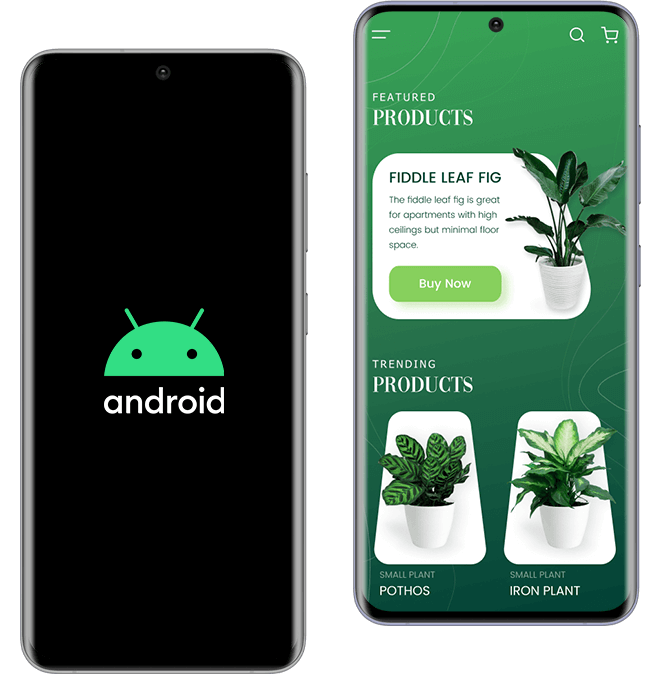
WEDOWEBAPPS is an innovative Android app development company that helps transform creative ideas into empowering Android apps that rightly engage and capture minds. We offer an extensive range of Android app development services, supporting startups, fully capable established companies, and their SME counterparts. The team of expert developers has experience building scalable apps aligning with specific business needs and Android user’s expectations.
Android application development services by WEDOWEBAPPS are not limited to smartphones but are a testament to our expertise across various Android platforms. With more than a decade of experience delivering state-of-the-art Android app development across industries, we have worked with numerous successful entrepreneurs.
We follow a full-cycle custom android app development service that enables us to dive deeper into the Android world, exploring all possible solutions like Android tablets, wear, and Android TV. The Android app development process we follow is time-tested, and the software is our central tech stack, deploying intuitive and easy-to-use applications. The team of skilled developers has the secret formula and has witnessed more than a million downloads on the Google Play Store.
As a custom Android app development company, we aspire to deliver an expanded magnitude of benefits, including multi-platform exposure, a greater source of revenue, easy integration, greater problem-solving, and better scope for innovation.
As one of the most accomplished Android app development companies existing, we have a pool of client success stories narrating success from conceptualizing and designing to building design strategies from startups to enterprises. In the successive years of building robust Android solutions, we’ve delivered full-fledged digital products to Fortune 500 companies.
We are the top Android development firm, elevating development strategies, designing intuitive experiences, building robust solutions, and developing apps, offering unmatched value. Our solutions cater to businesses and ideas of all domains and sizes.
The technologies we leverage in Android apps development service are updated in accordance with the latest trends blended with the most innovative solutions, yielding maximum returns on investment. In developing solutions for a diverse clientele, we’ve always prioritized client success, paving the way for our victories. We ensure our solutions always align with our client’s customer base.
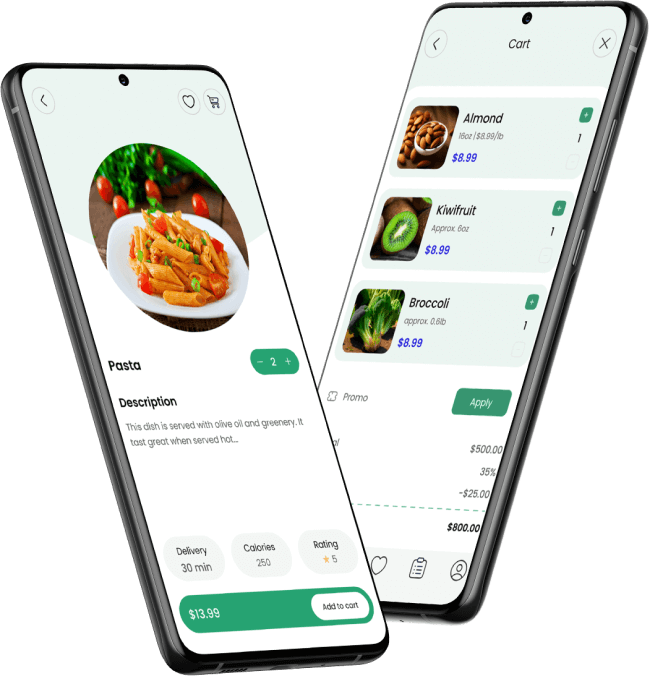
WEDOWEBAPPS is leading the industry with the best-grade Android application development services to various sized businesses across differentiated industries. From building robust architecture to integrating compelling functionalities, the apps result in scalability for businesses.
OUR COMMITMENTS
PORTFOLIO AND CASE STUDY
Clients brought visions and we turn them into reality. Please explore our work to get insights into how our bespoke web and mobile app development services boosted their businesses. Your project could be our next exemplary endeavor.
Take a glance at our clients
who've placed their trust in us, now achieving remarkable record-breaking success.


WEDOWEBAPPS made my first app experience simple, professional, and enjoyable. They understood my vision, communicated clearly, and delivered an app that exceeded my expectations. I highly recommend them.
Founder, SkillSpace

Lisa shares their journey with WEDOWEBAPPS, from initial concept to successful app launch. Discover why they chose us, the challenges we tackled together, and the amazing results they achieved.
Director of Idreamers Corp

Jackie’s Journey with WEDOWEBAPPS: Unveiling Exceptional Results. Discover how our dedicated team exceeded expectations, delivering outstanding satisfaction. Explore real-life success stories that set WEDOWEBAPPS apart.
CTO , Larcoo

We’re thrilled to share a glowing testimonial from Dominique at Credit-Sweep, highlighting our impact on their online engagement and customer inquiries through our expert web and mobile app development services.
Founder, Credit Sweep

Our valued client, James Dever, shares their remarkable digital transformation journey. Discover how our custom web & mobile solutions transformed efficiency & engagement, from concept to launch, showcasing the tangible impact on their business success.
Business Consultant

Joel Davis Journey with WEDOWEBAPPS: Dispatching Made Easy. Experience how our expert team delivered remarkable results, elevating operational efficiency and satisfaction. Explore success stories that highlight WEDOWEBAPPS impact.
Founder, Maximus Management Group
 HEALTHCARE
 Our healthcare mobile app development services can assist you with secure and feature-rich software for both patients and medical staff for different needs.
 FOOD
FOOD Let us help you develop ordering and delivery apps for restaurants, grocery stores, and food chains according to your custom needs.
 SPORTS
 Our developers are proficient in building sports tracking apps, engaging fan apps, and fantasy sports apps for leagues, teams, and clubs.
 EDUCATION
 We develop stylish learning apps, campus management apps, and counseling apps for schools, colleges, and coaching institutes.
 ENTERTAINMENT
 We create interactive entertainment apps for movies, music, gaming, and global events for viewers and participants.
 TRAVEL & HOSPITALITY
 We design travel booking apps, hotel management apps, and tourism guide apps for travelers, hotels, and authorities.
 BANKING & FINANCE
 Our professionals know how to develop secure banking apps, investment apps, and accounting apps for financial institutions and customers.
 E-COMMERCE & RETAIL
 You can trust us to build powerful shopping apps, inventory management apps, and loyalty apps for online and offline retailers.
Partner with WEDOWEBAPPS to develop scalable
Android apps optimized for performance, stability, and user engagement.












 Sharing Project Details
 Let's have a call
 Got Questions? Let’s Chat!