skip to content

8 Apps That can Help Developers Achieve More

Most developers know the tedious job of coding that makes them work hard, and often they don’t get enough time to learn new skills or enhance their technical know-how. About 31% of the developers have spent from five to nine years of writing code. So, you see, time management is an essential aspect of a developer’s life.

Whether you are a business or a developer, time management can always help you complete your projects faster and upskill your developers. Here, we will discover some apps that can help developers to manage time, code quicker, and achieve more with each project.

Proto.io:

This is a prototyping app for developers and application development firm. It helps the integration of technical and non-technical stakeholders. Its interface facilitates rapid prototyping, user testing, and development of applications from design to wireframe to completely functional apps.

It provides a flexible tool that keeps every key stakeholder on the same page and enables you to mockup a usable prototype. It helps you manage time with a traditional workflow that bifurcates design and development activities. You can always leverage modern workflow with rapid coding. With Proto.io, building apps, conducting user testing, and designing the entire app becomes easy, fitting well into the workflows of an agile testing life cycle for seamless integration and quicker iterations.

Stack Exchange:

How about a tool that can help you solve real-world problems with coding and programming? The answer is simple: its “Stack Exchange,” Which is a community-based resource with over 11 million members to answer every problem you might have with a Stack overflow.

If you consider all the apps for a developer that can answer questions regarding their coding problems, this is the penultimate resource.

Online GDB:

It is a browser-based compiler that helps developers that also works as an interpreter and debugger for apps. It supports many programming languages like Swift, objective-c, C#, python, ruby, and javascript. It can reduce overhead on the IDE(Integrated development environment) with short snippet codes.

It provides testing codes and is also considered an excellent platform for practicing new programming languages.

Regex 101:

This app helps developers create, debug, and test expressions in python, PCRE, Golang, and PHP. You can paste any text, and it automatically matches the book, based on the user-defined regex.

It matches the text rapidly with a dynamic explanation of what the regex expression is all about and what it is doing? It also points out any error that you are performing during the typing of text.

JSON Schema Validator:

JSON Schema is a type of vocabulary that helps validate JSON documents, and this app enables you to achieve that with minimum fuss, making it one of the most practical application software examples for developers seeking efficient validation tools.”

JSON Schema is a type of vocabulary that helps validate JSON documents, and this app enables you to achieve that with minimum fuss. It allows you to describe your current data formats. It provides clear, human- and machine-readable documentation.

It helps the app development company validate data for automated testing and also the data received from the client. It provides a large number of pre-existing schemas. JSON can be validated against these schemas. It helps you debug problems of non-parsing JSON files.

GitHub:

An online web service is allowing access to millions of git repositories. As a developer, GitHub is almost like a bible. If you look at all the apps for developers, there is no tool as close to GitHub as it provides issue tracking, project releases, wikis, and other essential project boards.

GitHub also provides basic website hosting and blogging facilities for all the expert developers and programmers.

Font Awesome:

App icons are the identification that helps users relate to it. An application development firm knows the importance of an excellent icon for an app. Font Awesome has over 1500 icons to choose from for all your apps, brands, and products.

You can quickly add icons in an app for different action buttons, menus, navigation bars, and other sections of the app for prototyping purposes.

Udacity:

Udacity is the ultimate resource for all your skill learning needs. Udacity is a massive open online course based app for developers that provide several online programming and coding courses. It offers two types of courses-Nanodegree and Nonodegree Plus.

For developers, other tools and apps discussed above can help them code faster; this one helps you learn the skills needed to code and program apps.

Conclusion:

With the majority of the app market getting saturated over similar apps and copies of successful apps, it is quite needful for an application development firm to upskill their developers and create unique apps with high end features different from competitors.

Most importantly, these apps and websites help developers to find time to learn new programming languages. They can also find time to engage themselves in higher organizational activities, much like the strategic planning seen during major WhatsApp features rollout events that demand precision and innovation.s. With faster coding, prototyping, and testing integrations, not only the developers but, many app development companies can complete their projects faster for any last-minute adjustments and feedback integrations before the app goes live.

It can undoubtedly help them reduce bugs, crashes, and errors on an application that goes live.

8 Best Tools to Achieve App Design and Development for iOS

What makes an iPhone worth this much buzz? Its elegant style, its luxurious look, or a premium feel! But, wait, this is a piece of technology. Apple has a design with style in its DNA, and if you hear it from the man himself, you will certainly believe it.“Design is the fundamental soul of a human-made creation that ends up expressing itself in successive outer layers of the product or service.”- Steve Jobs, Founder, Apple To achieve such app design and development for the iOS platform, many businesses invest colossal money. The best way to make the high design and a high-performance native iOS app is to use the right tools, and here we have discussed a few tools you can use.

Dash:

What makes an iOS app creation faster? An offline API documentation browser, right! That is the reason Dash is one of the most popular tools used among many app programming companies. It has more than 200 API documentation sets and facilities for developers to create their documents.

Jazzy:

It is a command-line utility tool for developers to produce Apple-style documentation for Swift and Objective-C. You can leverage Jazzy through SourceKit and the Clang AST for the representation of your code. It is a tool you can use with Dash documentation viewer. It generates simple, usable output for your documentations and creates a website for all your codes.

Hyperion:

For your iOS app performance, you may look for professional app development firms that can help you find bugs and fix them. Hyperion can help you do the same; it has helped millions of iOS developers find flaws in their apps and correct them through excellent technical solutions. It has effectively served the debugging of many apps with default plugins like view inspector, measurement plugin, and the slow animation plugin. View inspector is a plugin that inspects any view with measurements plugin measuring the distance between two pictures. The last plugin reduces the speed of animations in-app to fix animation bugs.

Raygun:

iPhones are famous for their user experiences, and the iOS platform provides complete support for apps developed by an app programming company to create great UX. You can leverage a tool like Raygun, that helps developers monitor user experience. It allows developers to identify errors, crash, and all other parameters concerned with the app’s performance. You can carry out in-depth diagnostics with error grouping through its online services. You are provided a dedicated dashboard for regular error reports. With proper tracking of errors, the app’s performance can be easily monitored by the developers, and they can easily maintain the app’s functionality.

Fabric:

How about real-time reactive iOS apps for your business? You can benefit from the lightweight suite, excellent app design, and development for iOS apps through Fabric. It is a tool with accessible functionalities for developers. It provides excellent themes for custom app developments. It also offers complete analytics on the app’s performance, and it helps developers close and lock issues regarding the apps.

Applyzer:

This tool is for app market analytics and planning your app according to the market trends. Developers can see insights into apps performance and its ranking on the app store. It is a kind of Application Store Optimizer(ASO) that can help you track your app’s rankings along with performance. Further, you can also evaluate your competitor’s ranking and find relevant keywords to bid on them. It can help you increase app downloads with marketing analytics.

XCode:

A dream tool for iOS app development for any app development firm. If you are planning to develop an iOS app, Xcode is the essential tool to choose from. It has a source code editor that can help you build app architectures and custom visualizations. You can easily compile several codes easily and quickly to develop your iOS apps faster. Xcode IDE(Integrated Development Environment) is the most popular for the swift programming language used for iOS development.

TestFlight:

How about a testing tool that helps you invite up to 10,000 testers at once for your iOS app testing. Testing your app physically can be a touch expensive if you are a developer or an app programming company. But TestFlight makes the process more comfortable with the addition of 25 members to test your app on 30 devices. This can help you gain valuable feedback before making your app live. Signing Off: iPhones are the most popular smartphones on the planet right now, by placing your business on that phone through app design and development for iOS app, you are creating a ladder to success. With some of the tools mentioned, here you can create excellent iPhone apps for your business. So, please don’t sit on your next startup idea and create an excellent iOS app.

Top 10 Apple iPhone app development trends to follow

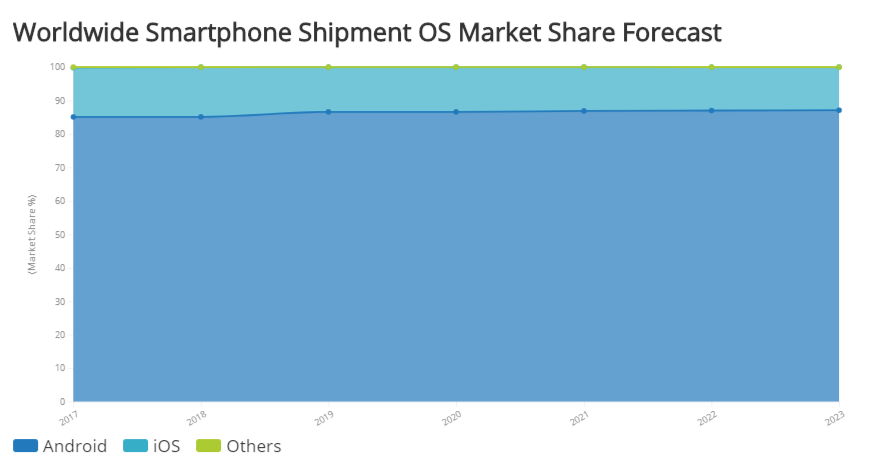
Apple iPhones are the most sort after smartphones in the market today. Apple’s native platform, iOS, remains are second-largest mobile operating system in the market. So, considering an apple iPhone app development for your business is the best decision for growth and success. Apple iPhone app development iPhone apps have a unique userbase that may be lesser than the AndroidOS, but all of them are mostly elite class users. So, any apple development company would help you with iOS apps that are native species to the iOS platform and highly functional. Apple iPhone apps are also relatively low-cost apps as far as development costs are concerned and even take less time. But, if you are considering hiring an Apple iPhone developer for app development, you should be aware of the latest trends in the app market.

IoT App:

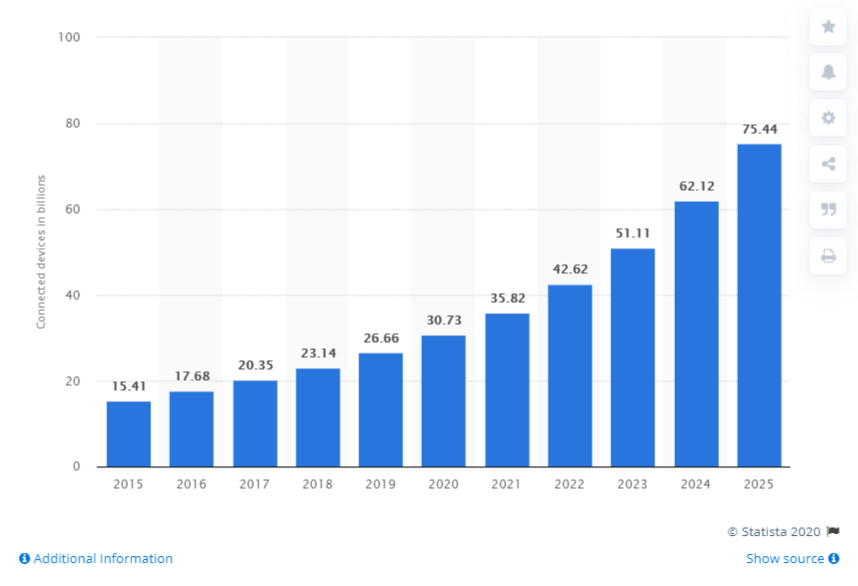
IoT or Internet of Things has been phenomenal over the years with a connected universe of smart devices. The total number of devices connected through IoT is projected to reach 75.44 billion by 2025. This is an excellent rise in just ten years, enabling several smart devices to share and exchange data. IoT App

iBeacon Apps:

It is the very own version of Apple’s BLE or BlueTooth low energy protocol. Such apps integrate Apple’s iBeacon technology for better connectivity among devices that have little distance between them. The so-called beacons are small and cheap Bluetooth transmitters that allow apps installed on your iPhone reach for the signal transmitted by these beacons and respond accordingly when the phone comes into range. You can leverage such technology by apple iPhone app development.

AR/VR apps:

Augmented Reality / Virtual reality is as disruptive as IoT. Apps made for AR/VR devices integrate them with smartphones for better UX. innovations like Mojo Vision, where an AR/VR microlens is a developer based on AR/VR technology, can genuinely change the app paradigm through proper integrations. Businesses can develop AR/VR apple iPhone apps to use this technology and create better UX for their audiences.

AI-based Apps:

AI or Artificial Intelligence have truly revolutionized the way business is done today. Machine Learning algorithms are used to predict user patterns, buyer patterns, and other behavioral properties. Apps like Netflix and Amazon use AI-powered algorithms for product recommendations to the users. Most importantly, any apple app development company can leverage the Core Ml3 type technical support provided in-built in the iOS platform and develop exquisite AI-powered apps for their consumers.

Cloud-Based Apps:

Cloud-based apps are popular due to their low requirements of servers, space, and ease of data exchange between system and user. Cloud-based apps can be fruitful for your business, as it does not need local servers for database management. Instead, apple iPhone developers can leverage cloud-based technology for better loading speeds due to lower overload on the local servers and equipment. To see how these trends are shaping the market locally, explore iPhone app development in Australia and Adelaide for a regional perspective.

Chatbot apps:

If your customer support is sound, 77% of customers share their positive experiences with others and even recommend your products. This makes consumer support as one of the most vital factors for success in any business. With chatbot apps that can converse in the natural way of communication through speech recognition and cognitive algorithms. So, developing an apple iPhone app with chatbot integration can undoubtedly help your business grow.

Apple Pay:

Apple Pay was launched to introduce a new player into the already booming digital payments market. Businesses and enterprises can leverage the integration of Apple pay into their apps for ease of digital payments through iOS apps.

HomeKit Apps:

The global smart home market will hit 53.45 billion by 2022, and Apple has provided developers with a chance to develop excellent smart home apps through HomeKit. With HomeKit provided by apple, you can also develop excellent smart home-based apps for your business through apple app development company.

Stay ahead with the latest iPhone app development trends, and complement your knowledge with our comprehensive guide to choosing an app development partner for seamless project execution.

Secure Native Apps:

Apple has got conscious about the data breach and data risks over the years. Now, it has become stringent on banishing non-secure apps form its platform, and as a business, you should develop secure native apps for iPhone.

Game Apps:

Last year, global mobile game revenues were soaring at $68.5 billion, and by the end of 2020, it will increase up to $76.7 billion with a year over year increase of 12%. So, investing in iPhone game apps is not a bad idea at all. Businesses and game developers can leverage the native environment of the iOS platform and develop excellent game apps. If you’re looking to implement these trends in your next project, consider working with a leading iPhone app development company to bring your ideas to life.

Conclusion:

Many iOS trends may excite you and attract you to go with Apple iPhone app development. Before diving into any trend idea for an app, you should envisage the business model into app logic for better conversion and ROI for success.

Keep up with the top iPhone app development trends, and learn all about patenting an app idea to protect your innovative concepts.

Top On-Demand Niches & App Ideas in Android App Development (2025 Edition)

Introduction

Be it ordering food or scheduling fitness sessions, users today expect services at their fingertips, fast, seamless, and personalized. This shift in consumer behavior has given rise to one of the most dynamic sectors in the digital ecosystem, which is on-demand Android app development. Whether it’s food delivery, telemedicine, or beauty services, the Android platform continues to empower businesses to meet real-time demand with intuitive, scalable mobile solutions. 

What makes Android stand out is its massive global reach, device flexibility, and the freedom it gives developers to innovate. In a world where more than 70% of mobile devices run on Android, startups and entrepreneurs are increasingly turning to Android on-demand service app development to deliver value and convenience across diverse markets. With the right approach, even a small idea can evolve into a thriving on-demand business, powered by technology and driven by user needs. 

In this blog, we will explore the top on-demand Android app development niches, the latest app ideas shaping the market, and key trends in the USA and beyond. If you are planning to enter the on-demand economy or expand your digital presence, these insights will help you find the right niche and build an app that stands out in 2025.

Android app development services

Understanding On-Demand Android App Development 

In simple terms, on-demand Android app development focuses on creating digital platforms that connect customers to service instantly, anywhere, anytime. These apps function as the bridge between user needs and real-world solutions, whether it is booking a taxi, ordering food, or finding a nearby handyman. Android’s open-source flexibility, massive device coverage, and affordability make it the most powerful operating system for developing and scaling such applications globally. 

Unlike traditional service apps that operate on fixed schedules or locations, Android on-demand service app development enables real-time interaction and instant gratification. A user can browse, book, pay, and track a service within seconds, all through a seamless Android interface. From integrating secure payment gateways to implementing GPS-based tracking and AI-driven recommendations, the Android ecosystem provides everything needed to build user-first on-demand experiences. 

Modern on-demand Android app development goes beyond basic functionality. It leverages emerging technologies like:

  • AI and Machine Learning to deliver personalized recommendations and automate decision-making.
  • IoT (Internet of Things) to connect users with smart home or fitness devices.
  • Predictive Analysis to forecast user demand and improve service delivery.
  • Cloud Integration for real-time data syncing and performance optimization.

How Android On-Demand App Development Empowers Startups and Businesses 

For startups and growing enterprises, Android offers a cost-effective, flexible, and scalable route to market. The Google Play ecosystem provides massive visibility, while the wide range of devices, from budget to flagship, guarantees access to every segment of the customer base. Whether it is launching a niche delivery platform or building a multi-service app, Android’s developer-friendly framework enables faster deployment, real-time feature updates, and measurable user engagement. 

In short, Android is not just a mobile OS; it is the backbone of the on-demand digital revolution, giving businesses the power to innovate and grow in a highly competitive market.

Key Market Trends in On-Demand Android Apps (2025 Edition)

Latest on-demand Android app development trends

The on-demand ecosystem has evolved from a convenience to a necessity, redefining how users interact with businesses. As of 2025, the global on-demand app market has exceeded $350 billion, with Android leading this surge, thanks to its accessibility, flexibility, and the vast user base. In the USA, startups and enterprises are rapidly embracing Android on demand service app development to meet shifting consumer expectations and deliver seamless digital experiences. 

Here is a look at the most significant on demand Android app development trends USA and globally that are shaping the future of mobile innovation:

1. AI-Powered Personalization

Artificial Intelligence continues to be the backbone of on demand android app development. From predicting user behavior to recommending services in real time, AI helps brands personalize every touchpoint. This leads to more engagement, higher retention, and smarter automation across on-demand platforms. 

2. Predictive Analytics for Smarter Decisions

Data-driven insights are the secret weapon of successful on-demand businesses. Predictive analytics helps forecast demand surges, manage delivery networks, and improve resource allocation. Android’s flexible architecture makes integrating analytics APIs seamless and efficient. 

3. UI/UX is the Prime Focus

Modern on-demand users do not just want functional apps, they crave intuitive, visually appealing, and responsive interfaces. In 2025, UI/UX design has become a primary driver of success in Android on demand service app development, influencing user trust and brand credibility. Startups investing in minimal, gesture-based designs and dark-mode adaptability are seeing better user retention. 

4. 5G Technology Accelerating Performance

The global rollout of 5G is transforming how on-demand apps operate. Faster download speeds, ultra-low latency, and enhanced connectivity enable richer app experiences, from real-time tracking to HD video consultations. For Android developers, 5G integration opens new possibilities for instant data transfers and immersive service interactions.

5. Cloud-Integrated Mobile Apps

Cloud technology is now essential for scaling on-demand apps. Cloud integration ensures real-time synchronization, secure data storage, and smooth performance even during traffic surges. Businesses investing in cloud-backed on demand Android app development are improving uptime, scalability, and cost-efficiency

6. Cloud-Platform Development Efficiency 

Frameworks like Flutter and Kotlin Multiplatform are revolutionizing Android app development. These tools reduce time-to-market while maintaining near-native performance across platforms. For startups, it is a game-changer, offering rapid prototyping and deployment without compromising quality. 

7. AR and VR Integration

Augmented and Virtual Reality are unlocking new experiences for on-demand apps, from trying beauty services virtually to exploring rental properties in 3D. In 2025, AR?VR will become a staple in Android on demand service app development, enhancing engagement and brand differentiation. 

8. Gamification for Higher Engagement

Adding game-like elements such as rewards, badges, or progress bars keeps users motivated and returning for more. Gamification is becoming a core retention strategy, especially in eLearning, fitness, and wellness-based Android apps. It merges psychology and technology to boost engagement organically.

9. Integration with Wearables and IoT Devices 

The synergy between Android and IoT continues to strengthen. From smartwatch-based ride tracking to home automation, on-demand apps are leveraging connected devices to improve convenience and personalization.

10. Emergence of Super Apps

Inspired by models like Gojek and Grab, developers in the USA are now experimenting with multi-service “super apps” that offer food delivery, payments, ride-sharing, and local services under one umbrella. Android’s scalability makes it the perfect foundation for building these all-in-one ecosystems. 

As these on demand Android app development trends USA unfold, one thing remains clear, Android continues to dominate the on-demand space by enabling smarter, faster, and more human-centered digital solutions. 

Stay ahead of Android on-demand app development trends

Top On-Demand Niches for Android App Development (with App Ideas) 

1. Healthcare and Telemedicine Apps 

The healthcare sector has become one of the top-performing niches in on demand Android app development, driven by post-pandemic digital transformation and patient demand for real-time care. Android users, especially in the USA, now expect healthcare services that are as accessible as ordering food or booking a cab.

Modern Android on demand service app development in healthcare is focused on enabling:

  • Instant doctor consultations via chat, voice, or video.
  • ePrescriptions and medicine delivery tracking. 
  • Remote health monitoring through IoT-enabled devices.
  • Appointment scheduling and digital health record management. 

Such apps not only improve convenience for patients but also create opportunities for healthcare providers to expand their reach beyond physical clinics. 

On-Demand App Idea:

“MediConnect+”, an Android app that connects patients to certified doctors instantly, integrates wearable data (like heart rate or glucose monitoring), and sends smart reminders for prescriptions or follow-ups. 

With a focus on HIPAA-compliant cloud integration and AI-driven health insights, this niche continues to dominate the on-demand ecosystem for 2025

With a focus on HIPAA-compliant cloud integration and AI-driven health insights, this niche continues to dominate the on-demand ecosystem for 2025.

2. Food & Grocery Delivery Apps

Food and grocery delivery remains the undisputed leader in the on-demand Android app space. Fueled by convenience-driven lifestyles and hyperlocal delivery models, this niche continues to evolve with technology and customer behavior. 

Today’s customers expect real-time delivery tracking, personalized meal suggestions, and instant checkout, all of which can be built seamlessly with on demand Android app development frameworks. For startups, it is a playground for innovation powered by AI, 5G, and cloud stability.

Key differentiators in modern Android on demand service app development for food and grocery include:

  • suggest meals based on dietary habits or past orders. 
  • integrated with geofencing and smart route optimization.
  • weekly meal kits, recurring grocery delivery, or chef-prepared meal plans.
  • reward points or streaks for frequent orders.

On-Demand App Idea:

“FreshlyGo”, an Android-based grocery and meal delivery platform that uses AI to predict when users might need a refill, auto-generates their cart, and offers eco-friendly delivery slots to reduce carbon footprint.

With 5G-powered tracking and real-time order status, such apps not only elevate user experience but also empower startups to scale fast in competitive markets like the USA.

3. Fitness & Wellness Apps

As users become more health-conscious, fitness and wellness apps have evolved into one of the best on demand niches for Android apps. From guided home workouts to meditation routines and diet tracking, these apps have transformed the way people manage their health from their smartphones. 

For startups, this niche offers incredible flexibility, whether it is integrating live personal training sessions, AI-based nutrition plans, or even AR-powered workout visualization. With the rise of wearable devices and connected ecosystems, on demand Android app development for fitness has entered a whole new era of personalization.

Key innovation areas in Android on demand service app development for this niche include:

    AI-Driven Fitness Coaching: smart recommendations based on progress and goals. 
  • Wearable Integration: sync with smartwatches, heart-rate monitors, and step counters.
    • Gamified Fitness Challenges: compete with friends, earn points, and maintain streaks.
    • AR/VR-Based Experiences: immersive yoga, pilates, or workout sessions from home.
  • Mental Wellness Integration: meditation and mood-tracking features for holistic health.

On-Demand App Idea:

“FitSphere”, an Android fitness app that connects users to certified trainers for live sessions, tracks activity via wearable devices, and uses AI to adjust workout intensity automatically. It can also integrate cloud-based progress tracking, ensuring users can access their data anywhere. 

As one of the hottest Android on demand app development trends in the USA, fitness apps merge lifestyle, tech, and convenience, making them a must-watch niche for entrepreneurs in 2025.

4. Home Services Apps

Home service solutions have become a cornerstone of the on demand Android app development market, especially as urban lifestyles leave little time for routine tasks like cleaning, repairs, or maintenance. These apps bring together users and verified professionals for everything from pest control to appliance repair, all through a few taps. 

In the USA, home service demand surged as homeowners sought trusted, same-day solutions. This trend is driving entrepreneurs to invest in Android on demand service app development that prioritizes user safety, instant bookings, and digital payments.

Key innovations transforming this niche include:<

  • automatically pairs users with nearby professionals based on skills and availability.
  • Real-Time Tracking & Scheduling: manage job status, ETAs, and payment updates in-app.
  • Subscription or Membership Models: monthly home maintenance packages or preferred-customer benefits. 
  • In-App Reviews and Identity Verification: building user trust and accountability.
  • Chatbots & Instant Communication: enhance support and reduce no-shows. 

On-Demand App Idea:

“FixMate”, an Android-based home service marketplace connecting customers to verified local experts for cleaning, plumbing, electrical, and other repairs. The app can feature AI-powered scheduling, digital invoicing, and real-time professional tracking for seamless service delivery. 

With cloud integration and intuitive UI/UX design, this niche not only drives repeat usage but also positions startups as local problem-solvers in a rapidly digitizing service company.

Thinking of building an on-demand Android service

5 Beauty & Salon Apps

Convenience is redefining the beauty industry, and on demand Android app developmentis at the heart of this transformation. Users today prefer booking stylists, makeup artists, or skincare experts directly from their smartphones, skipping long salon queues or wait times.

The result? A surge in Android on demand service app developmentfocused on personalized grooming experiences, doorstep beauty services, and instant booking options. For entrepreneurs, this is a golden opportunity to tap into a luxury-meets-convenience segment that continues to grow rapidly in both metropolitan and suburban markets.

Key innovation areas driving this niche include:

  • Geo-based stylist discovery: find the nearest available professional instantly.
  • In-home beauty services: makeup, manicure, haircare, and spa sessions at home.
  • Dynamic scheduling & availability management: seamless booking and rescheduling options.
  • Digital portfolios & reviews: clients can view the stylist’s work before booking.
  • AR-powered try-on features: preview hairstyles, makeup shades, or nail colors in real time.

On-Demand App Idea:

“GlamGo”, an Android app that allows users to book beauty experts for in-home appointments. Using AR/VR-based virtual trials and real-time stylist tracking, GlamGo offers a premium and interactive beauty experience.

By blending immersive UI/UX design with AI-driven personalization, this niche offers massive potential for startups targeting lifestyle and self-care audiences, especially in the USA market, where convenience-first beauty experiences are booming.

6. Logistics & Courier Apps

The logistics and courier industry has seen a complete digital overhaul, powered by on demand Android app development. From small eCommerce stores to large supply chains, businesses are adopting mobile-first delivery management systems to ensure faster, more transparent, and cost-efficient logistics.

In today’s fast-paced environment, Android on demand service app development for logistics focuses on real-time data visibility, fleet tracking, and automated route optimization, turning traditional logistics into a smart, scalable ecosystem.

Key features transforming this niche include:

  • Real-time GPS tracking: monitor driver routes and estimated delivery times.
  • AI-based route optimization: minimize fuel costs and delivery delays.
  • Digital proof of delivery (e-signature, photo capture): enhances accountability.
  • Fleet and warehouse management integration: centralized data for end-to-end visibility.
  • Automated notifications & analytics dashboards: keep users and businesses updated.

On-Demand App Idea:

“ShipSwift”, an Android-based logistics and courier management app that helps businesses handle on-demand deliveries with live tracking, predictive route mapping, and instant invoice generation. Built with cloud-integrated architecture, it supports seamless scalability and real-time analytics.

With the rise of eCommerce, hyperlocal delivery, and same-day logistics, this niche continues to rank among the most profitable and impactful segments of on demand Android app development trends in the USA.

7. eLearning & Tutoring Apps

Education has gone digital, and the demand for on demand Android app development in the e-learning space has exploded. With remote learning becoming the norm, Android platforms are now enabling personalized, accessible, and interactive education experiences for learners of all ages.

For startups and edu-tech entrepreneurs, Android on demand service app development presents a chance to revolutionize traditional education models. These apps are not just for online classes; they’re for mentorship, language learning, certification prep, and even micro-learning for professionals.

Key innovations shaping this niche include:

  • AI-driven adaptive learning: courses adjust difficulty levels based on user progress.
  • Video-on-demand classes: pre-recorded lessons available anytime.
  • Live tutoring sessions: one-on-one interaction with real educators.
  • Gamified quizzes and leaderboards: to increase retention and engagement.
  • Offline access & progress tracking: essential for remote and low-connectivity users.

On-Demand App Idea:

 “TutorLoop”, an Android eLearning platform that connects students with verified tutors in real time. It features AI-based course recommendations, in-app whiteboards, and gamified challenges to make learning immersive.

With 5G and cloud-based video streaming, TutorLoop-style apps make education flexible and scalable, aligning perfectly with modern Android on demand app development trends in the USA.

8. Travel & Mobility Apps

The travel and mobility sector continues to be a powerhouse for on demand Android app development, driven by growing consumer expectations for convenience, personalization, and real-time updates. From instant cab bookings to hotel reservations and itinerary planners, Android apps are revolutionizing how people move and explore.

For startups and travel tech companies, investing in Android on demand service app development offers a direct route to monetizing seamless travel experiences. With travelers seeking instant accessibility and control, features like live tracking, predictive pricing, and digital concierge services have become must-haves.

Key innovation areas include:

  • AI-powered route planning: personalized travel suggestions and cost-efficient trip paths.
  • On-demand ride-sharing & rentals: real-time driver availability and in-app navigation.
  • AR-based navigation & destination previews: interactive travel assistance.
  • Multi-service integration: hotels, flights, activities, and insurance in one app.
  • Gamified loyalty programs: rewards for repeat bookings or referrals.

On-Demand App Idea:

“TripMate”, an Android travel app offering personalized itinerary planning, AR-guided tours, and real-time transport updates. Integrated with AI-based recommendation engines and cloud synchronization, TripMate adapts to user preferences and trip history for an enhanced experience.

As 5G technology and IoT mature, travel and mobility apps are evolving into smart companions, setting a new standard for convenience and personalization in on demand Android app development trends USA.

9. Pet Care & Veterinary Apps

Pet ownership has surged globally, especially in the USA, where people are investing more in their pets’ health, grooming, and well-being. This growing market has opened up new opportunities for on demand Android app development tailored to pet care and veterinary services.

Modern pet owners expect the same level of convenience for their pets as they do for themselves, quick bookings, trusted vets, grooming at home, and real-time health updates. That’s where Android on demand service app development plays a transformative role, connecting pet parents to professionals within minutes.

Key features driving this niche include:

  • Instant vet consultations: video calls and chat support for quick diagnosis.
  • Pet grooming & sitting services: schedule home visits or daycare sessions.
  • Vaccination & medical record tracking: reminders and cloud-synced reports.
  • GPS pet tracking integration: real-time location updates for pet safety.
  • Pet supplies & subscription boxes: recurring deliveries of food, toys, or medication.

On-Demand App Idea:

“PawPal”, an Android pet care and veterinary app that connects pet owners with local vets, groomers, and trainers. With AI-based health insights and IoT tracking collars, PawPal ensures pets receive real-time attention and continuous care.

This niche is booming as startups blend compassion with technology, making on demand Android app development in pet care a highly profitable and emotionally engaging business avenue for 2025 and beyond.

10.Event & Entertainment Apps

As digital experiences continue to redefine how people connect and celebrate, on demand Android app development in the event and entertainment sector is surging. From booking live shows to managing event vendors, Android apps are making entertainment more accessible, interactive, and personalized than ever before.

For startups, Android on demand service app development in this space offers endless potential, whether you’re helping users find local events, hosting virtual concerts, or even creating interactive fan experiences powered by AR and gamification.<

Key trends shaping this niche include:

  • Event discovery & booking platforms: find and purchase tickets instantly.
  • Virtual & hybrid event streaming: powered by 5G and cloud integration.
  • Artist and vendor management systems: simplified coordination for organizers.
  • AI-based recommendations: personalized event suggestions based on interest or location.
  • Gamified fan engagement: loyalty rewards, polls, and digital collectibles (NFT-style experiences).

On-Demand App Idea:

“Eventify”, an Android event discovery and booking app that uses AI-powered personalization to suggest concerts, workshops, and local activities. With real-time ticketing, AR previews, and social sharing, Eventify helps users plan, attend, and enjoy experiences effortlessly.

In a world where digital engagement defines social life, event and entertainment apps are fast becoming a dominant niche in on demand Android app development trends USA, offering both cultural and commercial scalability.

Benefits of Investing in On-Demand Android App Development


Key benefits of investing in an on-demand Android app

As industries embrace mobile-first operations, on demand Android app development has become more than just a convenience; it is a growth accelerator. From scalability to customer engagement, on-demand solutions empower businesses to deliver faster, smarter, and more personalized services than ever before. 

Here is a breakdown of the key benefits driving this evolution:

1. Unmatched Market Reach

Android dominates the global mobile market, holding over 70% of the user share. This vast audience gives startups and enterprises an instant edge to target millions of potential customers, especially in regions like the USA, UK, and Asia, where on-demand usage is skyrocketing. 

By launching an Android app first, businesses can tap into cost-efficient customer acquisition and gain early traction in competitive niches. 

2. Seamless User Experience and Personalization

Modern Android on demand service app development focuses on creating user-centric interfaces powered by AI and predictive analytics. From personalized recommendations to one-tap reordering, a smooth user experience builds loyalty and turns first-time users into regular customers.

Enhanced UI/UX design, responsive layouts, and micro-interactions make on-demand Android apps not just functional but addictive to use.

3. Real-Time Efficiency and Transparency

On-demand apps thrive on real-time capabilities, tracking, notifications, status updates, and payments, ensuring users stay informed at every step.

For businesses, this transparency enhances trust and reduces service friction. For customers, it offers peace of mind, knowing exactly when their order, driver, or service provider will arrive.

4. Business Scalability with Cloud Integration

Cloud technology plays a critical role in modern on demand Android app development. Whether it’s managing a growing user base, handling high traffic, or syncing multi-location data, cloud infrastructure allows startups to scale seamlessly without massive hardware costs.

It also enhances data security, analytics, and real-time collaboration across platforms, crucial for on-demand industries like logistics, healthcare, and e-learning.

5. Improved Brand Recognition and Retention

On-demand apps act as a direct bridge between businesses and customers, strengthening brand recall through consistent engagement. Push notifications, loyalty rewards, and in-app communication build lasting connections that traditional channels can’t match.

Moreover, investing in custom Android on demand app development helps businesses differentiate themselves with unique branding and personalized user flows.

6. Revenue Expansion Opportunities

With flexible monetization models, such as commissions, subscriptions, premium listings, and ads, on-demand apps open multiple revenue streams.

Entrepreneurs can easily diversify income by introducing in-app purchases, referral programs, and membership tiers, maximizing profitability without compromising user experience.

7. Competitive Edge in Emerging Niches

The on-demand market is constantly evolving, and businesses that adapt early often lead the charge. By leveraging AI, 5G, AR/VR, and gamification, Android apps gain a distinct competitive advantage, offering innovation that directly improves customer satisfaction and retention.

In essence, on-demand Android apps don’t just meet consumer demand; they create it.

Emerging On-Demand Android App Ideas for 2025 and Beyond

The on-demand economy is evolving, and Android app developmentis at the core of this revolution. As technology, sustainability, and personalization redefine consumer behavior, new niches are emerging with immense potential. Here are some future-ready on-demand app ideas that entrepreneurs should watch closely.

1. Sustainable Delivery Apps (EV-Based, Carbon-Neutral)

With climate awareness growing, eco-friendly delivery platforms are gaining traction. These apps can optimize logistics using electric vehicles (EVs), route mapping, and carbon tracking features. Android’s open ecosystem makes it ideal for integrating IoT sensors, GPS analytics, and sustainability dashboards.

2. AI-Powered Virtual Assistant or Concierge Apps

Imagine an AI-driven personal assistant that books appointments, manages schedules, and orders essentials, all through a single app. Powered by Machine Learning and Natural Language Processing, these apps can deliver hyper-personalized experiences. Android’s flexibility enables deep AI integration via APIs like TensorFlow Lite and Dialogflow.

3. On-Demand Home Chef or Meal Prep Planner

Health-conscious users are increasingly opting for home-cooked meal services. An on-demand home chef app can connect users with local chefs or nutritionists, offering menu customization, calorie tracking, and real-time booking. Android’s broad user base and easy payment gateway integrations make it perfect for scaling such services.

4. Drone-Based Micro Logistics Delivery Apps

As drone technology becomes mainstream, last-mile drone delivery apps could revolutionize logistics. These apps can handle small packages, medicines, and groceries in minutes. Android-based systems allow developers to integrate real-time flight tracking, geofencing, and compliance checks seamlessly.

5. Telewellness + VR Mental Health Support Apps

Mental wellness is no longer optional. Combining teleconsultation with immersive VR therapy, these apps offer users mindfulness sessions and emotional health support from home. Android’s ARCore and VR SDKs enable developers to create realistic environments for mental health therapy.

6. Hyperlocal Marketplace for Small Businesses

Local entrepreneurs need visibility, and a hyperlocal on-demand marketplace helps connect nearby customers with neighborhood shops. From delivery tracking to loyalty points, Android apps can offer scalable, location-aware commerce platforms that empower small businesses.

Each of these ideas represents not just a niche but a future opportunity, ready to be turned into the next big thing in on-demand Android app development.

Cost and Time Factors in On-Demand Android App DevelopmentMain cost and time factors in on-demand Android app development
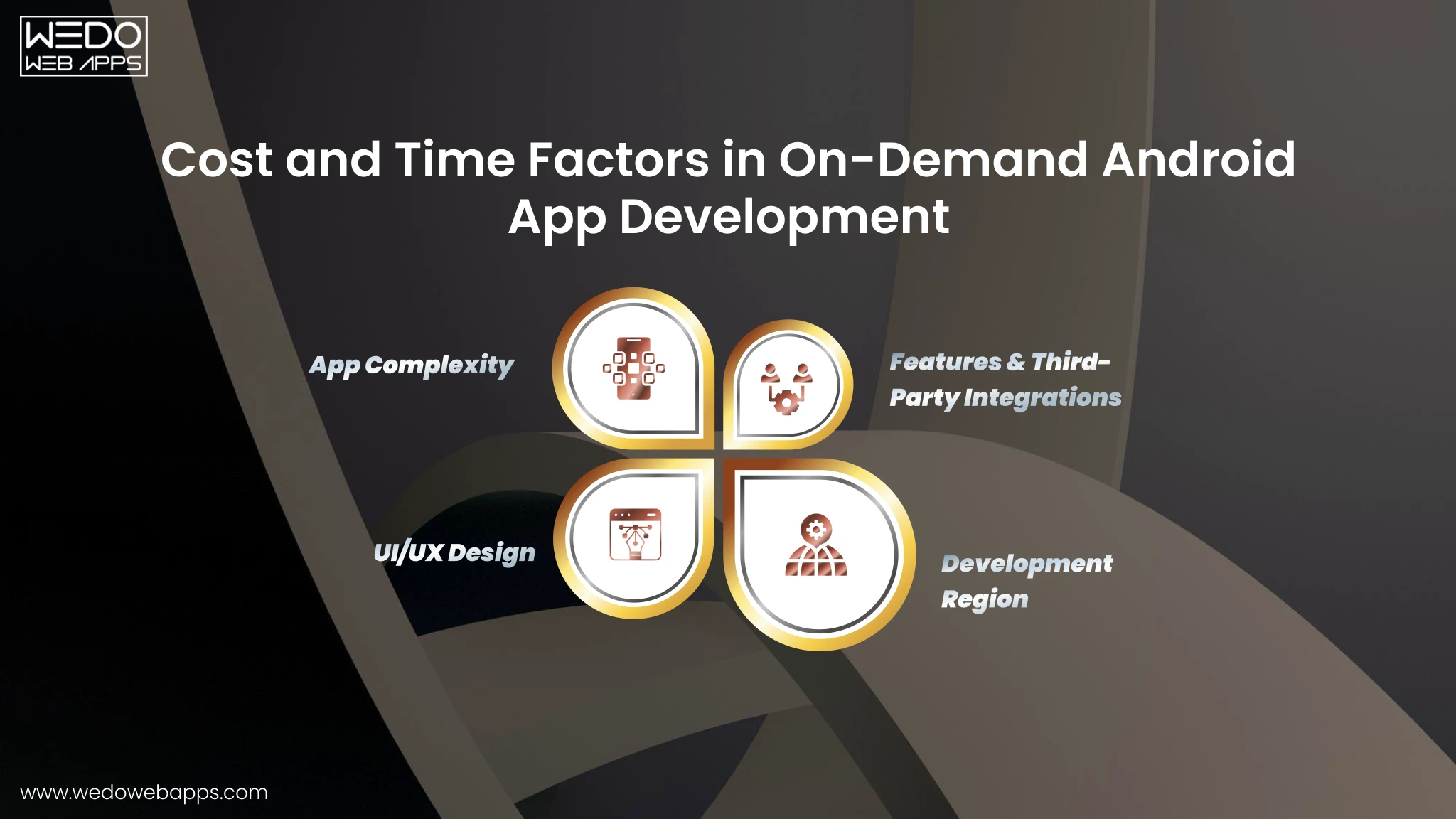
Developing a high-performing on-demand Android app requires strategic budgeting and time planning. The total cost depends on several technical and design-related variables.

Key Factors Influencing Development Cost

  • App Complexity: Simple apps (single-feature) cost less than those with multi-role functionality or AI-driven personalization.
  • UI/UX Design: Intuitive, aesthetic designs built around user psychology require more design hours, but also improve retention.
  • Features & Third-Party Integrations: Integrating maps, payment gateways, or chat APIs (like Twilio or Firebase) affects both cost and timeline.
  • Development Region: Developers in India typically charge60–70% less than those in theUSA or Europe, without compromising on quality.

Why the MVP Approach Works Best

A Minimum Viable Product (MVP) helps startups launch faster with only core features, gather real user feedback, and then iterate for scale. It’s an efficient way to validate your idea while optimizing resources.

Recommended Tech Stack

For on-demand Android app development developers commonly use:

  • Languages: Kotlin, Java, Dart (for Flutter cross-platform app development
  • Backend:Firebase, Node.js, AWS
  • Database: Firestore, MongoDB, or MySQL
  • Other Tools: Android Studio, Retrofit, Google Maps API, Stripe

An experienced development team can help you balance innovation, performance, and cost to achieve faster time-to-market.

Why Choose WEDOWEBAPPS for On-Demand Android App Development

At WEDOWEBAPPS, we specialize in creating high-performing, scalable, and intuitive Android apps tailored to your business goals. Whether you’re a startup validating an idea or an enterprise scaling operations, our end-to-end approach ensures your app stands out in a competitive market.

Expertise Across Multiple Niches

From food delivery and logistics to eLearning and healthcare, our team has hands-on experience across various on-demand sectors, allowing us to tailor solutions that align with industry trends.

End-to-End Development Process

Our comprehensive process covers:

  • Ideation & Strategy: We identify user pain points and map value propositions.
  • UI/UX Design: Crafted for conversion and usability.
  • Development: Built using modern frameworks like Kotlin, Flutter, and Firebase.
  • Quality Assurance: Multi-stage testing ensures performance, security, and stability.
  • Support & Maintenance: Continuous optimization post-launch for scalability.

Technology-Driven Results

Our developers leverage AI, cloud, and predictive analytics to make your on-demand Android app smarter and more adaptive. Security, scalability, and high-speed performance are at the core of every project.

Proven Success Stories

We’ve built apps that improved delivery efficiency by 40%, boosted user engagement by 60%, and reduced server costs by up to 35% for clients worldwide.

Build your next-gen on-demand Android app with WEDOWEBAPPS

Conclusion

The rise of on-demand Android apps marks a new era in digital convenience. With millions of Android users seeking instant, personalized services, businesses that adapt quickly are bound to lead the market.

From mobility and food tech to wellness and eCommerce, Android’s open-source flexibility and massive global reach make it the best platform for innovation. Whether you’re a startup aiming to disrupt or an enterprise optimizing operations, investing in an Android app development company ensures long-term scalability and growth.

At WEDOWEBAPPS, we help you transform your vision into a robust, future-ready solution, built with performance, user experience, and innovation at its core.

Ready to turn your on-demand idea into reality? Let’s redefine convenience together, one tap at a time.

Top 6 Trends The Best Application Development Company

There is no arguing that the smartphone has become an integral part of our lives. All the best application development companies are looking forward to new opportunities and how they can be deemed useful for their app development. Neither less to say, according to some statistics, the money application industry is going to generate a revenue of $581.9 Billion. With that being said, there is a tremendous potential within the app market that every other development company needs to venture around. The idea behind this technical blog is to make you aware of all the current trends that are worth looking for.

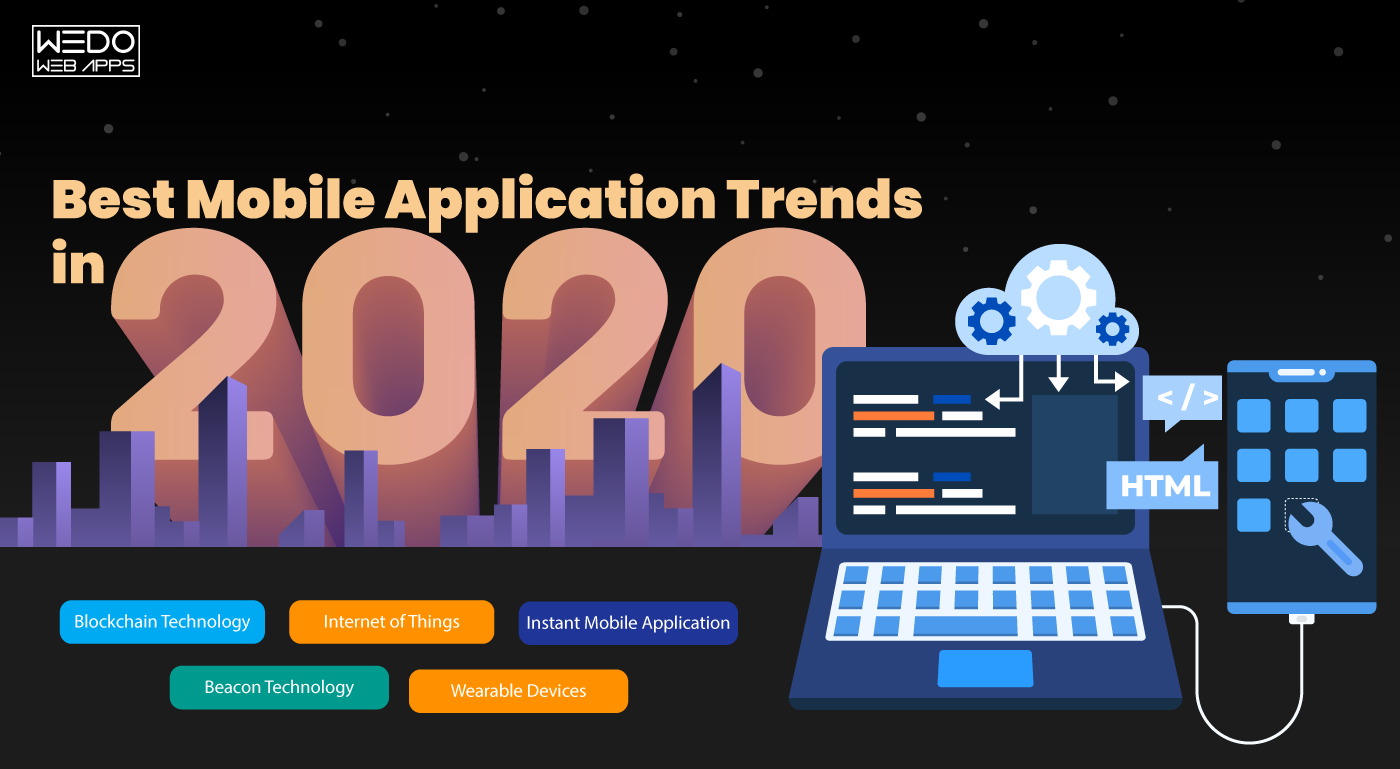
Best Mobile Application Trends

Down below is a list of all the mobile app development ideas that are worth noting for your next big mobile application:

Artificial Intelligence and Machine learning and ML are the perfect examples of a booming industry that has taken back the market by awe. According to some predictions, Artificial Intelligence will become a $191 Billion industry by the end of 2024. Keeping that in mind, all the major companies are shifting their frameworks to incorporate Artificial Intelligence and Machine Learning within their systems. One of the most significant examples of AI and ML with the mobile app is their combination of IoT. With just the tap of a finger, you can now easily control home appliances, devices, and even automobiles.

Blockchain Technology

Let us make this clear as soon as possible, blockchain technology is not meant for cryptocurrency along. So, moving beyond all these IT buzzwords, it is very to have a clear understanding of what exactly is a blockchain. Further, including blockchain has already started to make their way into the mobile app development. One of the most significant advantages of blockchain is being a decentralized database; a single authority is never controlling it. Further down the line, the error made through blockchain is always traceable, and it is entirely secure from some of the standard data breaches.

Internet of Things

There is no arguing that IoT is the new future, and there is no point in stopping it from happening. Looking at the broader picture, IoT enables us to control everything that is being connected over the internet. In this way, it can help us in several instances whether we have forgotten to lock the door or want to change the temperature of the light. That being said, if you are thinking about building an IoT mobile app, the best-case scenario is to promote a product that does long with it.

Read also: How to find the best web development company for your project?

Instant Mobile Application

Are you looking forward to targeting the audience who are always curious about their RAM and ROM management and how the app size matter? Instant applications are relatively smaller in format, yet providing all the necessary functionalities without installing the form in the first place. The biggest USP of instant mobile apps is to make you try the application without downloading them. That being said, the instant apps help you to have a taste of the entire use. Once you like the app, you are good to download it. As of latest, instant apps will be the breeding ground for most app marketing. Understand the process of selecting an app development partner and see how it aligns with the top app development company trends.

Beacon Technology

Have you ever heard of the beacon technology? If not, it is one of the most anticipated technologies which can help you to search for your preferred products, their costs, and several other specifications. Beacon makes use of the BLE (Bluetooth Low Energy) signal and helps connect within the beacon zone for further instructions for the user. Looking at the marketing aspect, Beacon looks promising, and it can be utilized by several industries like hotels, healthcare, and museums. Explore the latest app marketing strategies and see how they relate to the top app development company trends.

Wearable Devices

Wearable devices such as fitness bands and smartwatches are gradually the new trends within the market. Keeping that in mind, there is no point in waiting to make awesome apps for these devices. Wearables have entirely changed how we interact with our tools. The majority of us use wearables to look for notifications instead of looking into mobile phones. This gives us an idea of which apps are going to be installed within these devices and work according to that.

Final Thoughts

This is the best time to venture into the vast domain of ideas for mobile app development. With all the purposes mentioned above, you can always get a standstill in this competitive market and make a name out for yourself. That being said, every other mobile application has its own set of pros and cons. Now, if you are willing to implement the same, you are bound to succeed.

Top 6 Questions You Must Ask While Hiring an iOS Developer

While android might have been the most popular mobile operating system in the world, but that doesn’t justify that the majority of the app developers are looking forward to taking control over the same market. Among all the best iOS development companies, their priority is always towards developing a highly superior application for Apple’s devices.  Therefore, it is very important to find the right iOS developer or development firm, who can work with the same frequency as yourself. The sole idea behind this article is to make you aware of the questions that you need to ask before finalizing a deal with the best iOS app developers. In this way, you can always build an app that truly justifies your business. 

Growing Demand for iOS Applications

Do you know that mobile skills are in the most in-demand among all the businesses in the IT industry? With 84% of the entire world population on the mobile platform, the mobile application industry has reached to a total valuation of $99 Billion as of 2019. With that being said, it is a clear indication that the iOS applications are growing in demand every single year, and it is the best time than ever to get your hands on the app platform.  Questions that Needs to be Asked Before you Hire iOS App Development Company As mentioned earlier, down below is a list of all the questions whose answers you need to properly seek before hiring the best iOS app development company

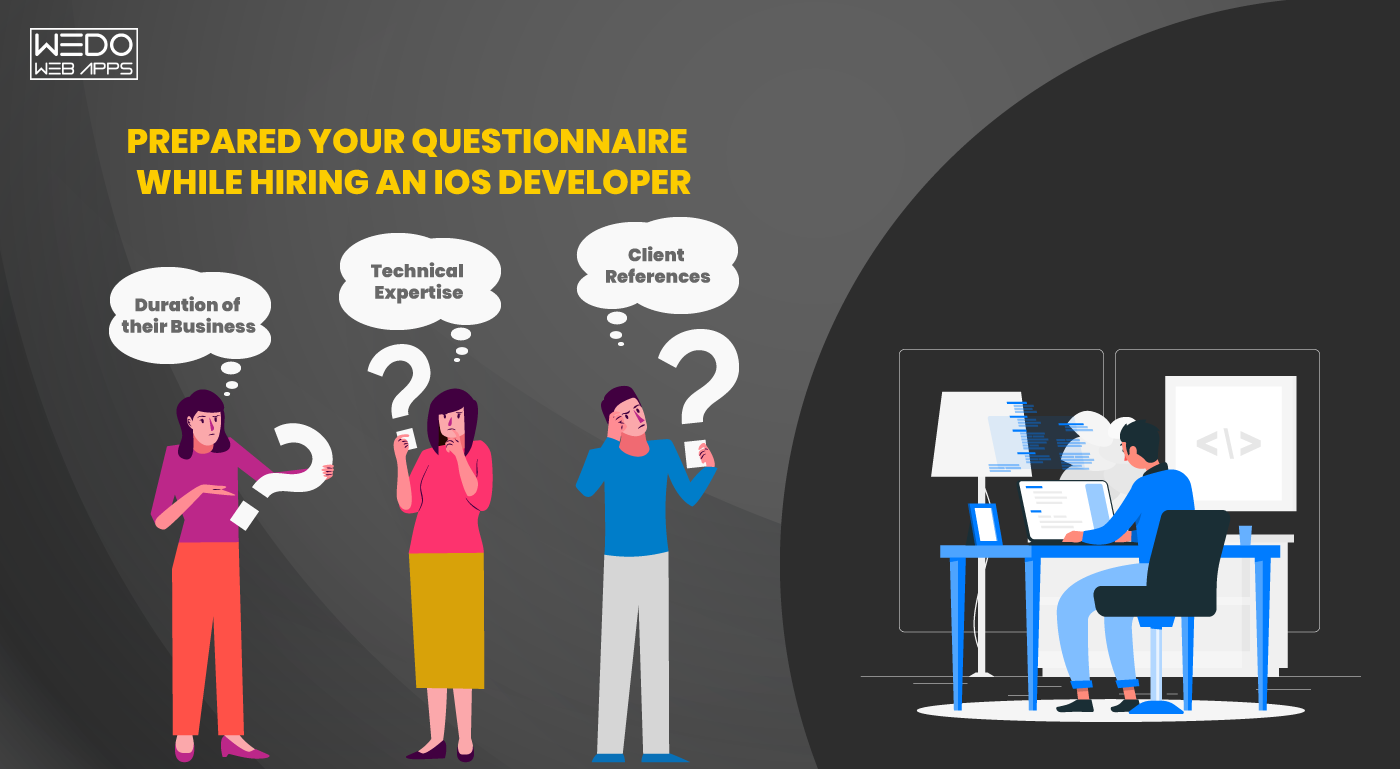
1) Duration of their Business

That being said, before you go any deeper into asking anything about iOS app development, make sure that you ask them about their professional duration with the same career. This is where the common phrase, experience matters come into play. If you can get your hands around the developer who is experienced, you can surely reap some benefits out of them. That being said, experienced developers are always easy to work around. 

2) Ask for their Technical Expertise

If you want to create a quality iOS application, make sure to understand that they come with a plethora of technicalities that hardly any novice will ever understand. iOS is, by far, one of the most widely used and robust mobile operating systems. The developer you shall be hiring should have the technical expertise that is to be required for creating your application. For example, there are several instances where the app needs to be location-based, health-centric, or even have in-app purchases. 

3) Client References

In this competitive world, everyone is looking forward to generating lead without the thought of even providing quality services. There shall be several instances where the developer might show you the ownership of an application that wasn’t even developed by them in the first place. Under such circumstances, ask them to provide you with their client’s reference just to be fair and square with the hiring procedure. 

4) Making the best Use of Apple’s API

Your iOS app developer should always be accustomed to using Apple’s API. By today’s standard, it has become pretty obvious that the developer is aware of using advanced features for the development of the application. Above all, they should have a clear understanding of how to develop using the HealthKit, SiriKit, iMessage Apps, CallKit, and so on. 

5) Are they aware of Apple’s App Store Guidelines

Apple has always been known to be pretty hectic to work with, given all of its terms, conditions, and general guidelines. So, before choosing your app developer, make sure that they know their way around Apple’s approval on the application. Even Apple’s API has its own set of roles. So, makes sure that your developer understands the legal aspect of developing an iOS application too. This is because there is no greater regret than spending all of your money while getting zero returns from them.  Read also: Hire Dedicated Swift Developers and Developers for iOS

6) Ask their way Around Monetizing 

At the end of the day, it all comes down to earning money and generating revenue from your iOS app. Bearing that in mind, your developer should know their ways around monetizing features. Now, there are mainly two ways to monetize your app. You can either opt for the pay-per-download mode or just go with the free option and generate revenue from displaying ads and introducing subscription programs. 

Wrapping Up

Keeping the above questions in mind, of you want to hire the best iOS app developers, you need to make sure whether they are cut out for the job description or not. Unless you are getting a satisfactory reply to all the asked questions, don’t rush with the hiring. It is very important to get the developer who can resonate with you so that you don’t have to deal with the end-user complaints regarding your application. Once you get everything right, your success is inevitable. Afterall, your success will always cater more revenue while generating leads for your company. 

10 Android App Development Secrets to Grow Your Business

Introduction

Building an Android app is not just a tech decision, it is a business growth strategy.

With more than 3 billion active Android devices worldwide, the platform offers outstanding reach, flexibility, and innovation potential for startups and enterprises alike. Whether you are aiming to boost customer engagement, streamline internal processes, or tap into a new revenue stream. Android gives you the tools to scale efficiently.

In 2025, Android is more than just a mobile OS, it is a dynamic ecosystem of smartphones, foldable devices, wearable devices, smart TVs, and even in-car systems. But succeeding in this space takes more than coding. It requires strategic thinking, tech foresight, and a clear growth plan.

That is where this blog helps you.

We have compiled 10 powerful secrets that go beyond conventional development advice. From choosing the right tech stack to leveraging modern UI frameworks and ensuring continuous delivery, these insights are crafted to help your business not just build an app, but build a successful, scalable, Android product.

Are you ready to unlock your Android App’s full potential? Let’s dive in.

Why Businesses Choose Android in 2025 and Beyond?

When it comes to scaling operations, reaching a global audience, and building sustainable digital products, Android business app development continues to dominate the mobile landscape. As of 2025, Android holds over 70% of the global mobile operating system market share, making it the first choice for brands looking to develop impactful mobile experiences.

But it is not just about market share, Android empowers businesses with:

1. Flexibility Across Devices

From smartphones and tablets to foldable devices, smart TVs, wearables, and even in-car systems like Android Auto, Android’s device ecosystem is vast. This flexibility allows developers to create best business Android apps that work seamlessly across multiple touchpoints, maximizing user engagement.

2. Affordable Development and Deployment

The cost of publishing apps on Google Play Store is significantly lower compared to iOS. This affordability gives startups and small businesses an edge when entering the Android App business, allowing for rapid prototyping and iterative development without high overheads.

3. Global Reach with Localized Access

Android’s dominance in emerging markets, like India, Southeast Asia, Latin America, and Africa, makes it a perfect launchpad for android app development business strategies aimed at mass user acquisition. With built-in localization tools and wide device availability, Android apps can scale across borders effortlessly.

4. Open Ecosystem Encouraging Innovation

Unlike more restrictive platforms, Android encourages customizations, third-party integrations, and innovative design. This allows developers to build unique, business-specific features that give companies a competitive edge in their domain.

Whether you are building an internal dashboard, an eCommerce store, or an on-demand service app, Android offers the perfect platform to launch, test, and grow. And if you are aiming to turn your Android app business into a long-term success, understanding what makes Android development effective in 2025 is the key.

Let’s explore the top secrets Android App developers are using to deliver high-performing, revenue-generating apps for businesses like yours.

10 Secrets to Android App Development Success

Developing a competitive android app for your business in today’s crowded market requires far more than just a clean code. You need a strategy that blends modern tools, deep platform understanding, and business foresight. Below are 10 powerful secrets Android app developers use to build scalable, secure, and growth-ready apps.

1. Elevate User Experience with Android 16 and Material You 4.0

Android 16 has redefined how users interact with apps. Features like predictive back gestures, adaptive layouts, dynamic theming with Material You 4.0, and improved haptic feedback offer a more personalized and fluid experience.

Modern UI/UX is now a competitive differentiator, not just a design concern. Apps that adopt the latest UX patterns often see longer session durations and higher retention.

Real Example: WEDOWEBAPPS redesigned a finance management app for Android 16 using dynamic color theming and smooth transitions. The result? A 22% boost in daily active users (DAUs) and a 15% drop in bounce rate.

Takeaway: For android business app development, UI must align with OS evolution to meet user expectations and build trust.

2. Adopt a Scalable Modern Architecture

Choosing a modern architecture early sets the tone for performance, testability, and scale. In 2025, MVVM (Model-View-ViewModel) continues to be a popular pattern, especially when paired with Jetpack components like LiveData, ViewModel, and Navigation.

Add in modularization, Clean Architecture principles, and proper separation of concerns, and your app becomes far easier to maintain and extend.

Example: For a hyperlocal delivery app, modularizing their ANdroid project into UI, data, domain, and core modules, will result in faster builds and parallel team development.

Pro Tip: A solid architecture is the foundation of every mobile app development, be it iOS or Android, aiming for long-term scale.

3. Leverage Kotlin for Maximum Development Efficiency

Kotlin is now the de facto standard for Android development. Its concise syntax, null safety, and powerful features like coroutines and extension functions lead to fewer bugs and faster development.

With the rise of Kotlin Multiplatform Mobile (KMM), developers can now share business logic across Android and iOS apps, reducing duplication and improving consistency.

Example: Switching from Java to Kotlin helped one of our clients reduce codebase size by 30%, while coroutine-based API calls improved loading speed by 40%

Bonus: Kotlin is also supported by Google Cloud Functions, making it a smart choice for full-stack Kotlin applications.

4. Build the Right Android App Development Team

Behind every great android app business, there is always a strong team. The ideal team setup varies by project size and complexity but generally includes:

  • Android Developer (Kotlin + Jetpack Compose)
  • UI/UX Design Service Provider (Figma, Material Design)
  • QA Tester (JUnit, Espresso, Firebase Test Lab)
  • Project Manager (Agile, Jira)

For bigger apps, you may also need a backend engineer (Firebase, Node.js, or AWS) and DevOps support.

Case Study: A real estate firm partnered with our dedicated Android team. With weekly sprints, in-app messaging, and automation, they launched 2 months ahead of schedule.

Takeaway: Whether in-house or outsourced, the right team is crucial for sustainable android business app development.

5. Start with a Strategic Development Roadmap

Too many apps fail due to lack of planning. Start with a well-defined MVP that solves a core user problem, then iterate based on feedback.

Adopt agile methodology with sprint planning, retrospectives, and user testing cycles. Tools like Analytics, Firebase, Mixpanel, and AppMetrica help track user behavior and inform decisions.

Pro Tip: Align your roadmap with key business goals like user acquisition, monetization, or retention, and track them continuously.

6. Prioritize CI/CD for Speed and Quality

In 2025, CI/CD pipelines are not a luxury, they are essential. Continuous Integration (CI) ensures that your app is tested every time the code is committed. Continuous Delivery (CD) enables you to push updates seamlessly, reducing time-to-market and improving reliability.

Example: We set up GitHub actions and Fastlane for a SaaS android app. Release cycles dropped from biweekly to weekly, and 90% of bugs were caught before going live.

Recommended Tools:

  • CI: GitHub Actions, Bitrise, Jenkins
  • CD: Firebase App Distribution, Fastlane

SEO Tip: Mentioning CI/CD enhances your android app development authority by signaling modern development practices.

7. Establish a Comprehensive Testing Strategy

Testing is not just about avoiding crashes, it is about ensuring seamless experience across devices, network conditions, and OS versions. In 2025, smart teams use:

  • Unit Tests: JUnit, Mockito
  • UI Tests: Espresso, Robolectric 
  • Automated Testing: Firebase Test Lab, BrowserStack
  • Real Device Cloud Testing for edge cases. 

For example, after integrating a testing suite across staging builds, an on-demand service app can reduce app store complaints by 50-60%

Tip: Simulate battery drain, memory usage, and bad network conditions, especially if you are building one of the best business android apps.

8. Stay Compliant with Android 16 Data and Privacy Policies

With increasing scrutiny on data collection, Android 16 emphasizes runtime permission management, data transparency, and sensitive permission audits.

Avoid requesting unnecessary permissions. Encrypt user data. Be transparent with what you collect and why?

Example: After updating a news app’s permission flow and implementing Secure SharedPreferences, Play Store approval time dropped by 3 days, and user trust improved.

Compliance Checklist:

  • Use Android Permission Manager 
  • Enable data minimization
  • Adhere to GDPR, CCPA, and India’s DPDP Act.

9. Optimize App Performance for Speed and Battery

Today’s users expect apps to be fast, light, and battery-efficient. Use Android Profiler, Lint, and LeakCanary to detect memory leaks and performance issues.

Adopt Android App Bundles to reduce app size, lazy-load non-critical modules, and compress images and assets.

Example: By converting large splash animations into Lottie files and reducing network calls, a shopping app’s load time reduced from 4.2s to 2.1s.

Tip: Google prioritizes performance-optimized apps for featured listings on the Play Store.

10. Add Interactive and Intelligent Features for Retention

Stand out by integrating features that users genuinely enjoy and engage with. From smart notification to dynamic widgets to gesture controls and on-device ML Models, these features drive retention.

Example: A podcast app we helped build added interactive media controls on Android notifications. This led to a 3X increase in episode completion rate.

Bonus: Use TensorFlow Lite to power personalized suggestions (Offline) while respecting user privacy.

These 10 secrets go beyond coding—they’re the blueprint for building a future-proof android app business. In 2025, success comes to those who plan wisely, execute efficiently, and evolve rapidly.

Whether you’re launching your first mobile product or scaling your android app development business, these strategies will help you build smarter and grow faster.

Most Used Tools in Android App Development

To stay competitive in the android app development business, using the right set of tools is non-negotiable. These tools do not just help you code faster, they enable better performance, automated testing, smoother deployment, and deep user analytics.

Here are the must-have tools for android business app development in 2025, categorized by purpose:

1. Android Studio (Official IDE)

  • Most powerful integrated development environment personalized for Android .
  • Includes emulator, layout editor, and performance profilers.
  • Helps detect UI/UX issues across devices. 

Pro Tip: Use its Layout Validation Tool to ensure your UI scales across foldables and tablets.

2. Jetpack Libraries (Compose, Navigation, WorkManager)

  • Compose: Declarative UI Toolkit for building beautiful, adaptive interfaces. 
  • Navigation: Manages complex navigation patterns.
  • WorkManager: Handles background tasks, even with app restarts. 

Example: Using Jetpack Compose helped our clients cut UI development time by 40%.

3. Firebase Suite (Analytics, Crashlytics, Remote Config)

  • Firebase Analytics: Tracks user behavior and funnels.
  • Crashlytics: Real-time crash reporting.
  • Remote Config: Allows dynamic updates without re-publishing.

4. GitHub Actions and FastLane (CI/CD Automation)

  • GitHub Actions: Automates testing, building, and deploying code.
  • FastLane: Simplifies Play Store updates and versioning.

Why it Matters: These tools streamline releases, essential for growing android app businesses that ship features regularly.

5. Espresso and Firebase Test Lab (Testing Stack)

  • Espresso: Automates UI Testing.
  • Firebase Test Lab: Tests apps across hundreds of real devices in the cloud.

Pro Tip: Run regression tests on every pull request to prevent breaking core features.

6. Android App Bundles and Play Console Tools

  • App Bundles: Shrinks app size by serving only necessary code to each device.
  • Play Console: Offers vitals, ratings insights, ANR crash metrics.

Bonus: Smaller app = higher install rate = better growth.

7. Lottie and Glide (For media optimization)

  • Lottie: Lightweight animations from After Effects
  • Glide: Efficient image loading and caching

Why Use: Enhances visual appeal without draining performance or bandwidth.

Takeaway: The right tool chain helps you build smarter, faster, and high-performing apps, which is at the heart of every successful android business app development strategy.

Data Security and Privacy Practices in Android Apps Development

In the digital era, trust is currency. If users do not trust your app, they would not use it, no matter how good it looks or performs. That is why data security and privacy are at the core of successful android app business strategies.

1. Comply with Android 16 Privacy Policies

Android 16 enforces stricter runtime permission handling and audit logs for sensitive APIs. Apps must now explain why they need access to permissions and show it contextually.

  • Use the PermissionManager API to show permissions only when relevant (for example, ask for permission only when a user navigate to the map)

2. Stay Legally Compliant (GDPR, CCPA, DPDP)

No matter where you are building your android business app, you must comply with relevant data protection laws:

  • GDPR: for EU audiences
  • CCPA: for California residents 
  • DPDP (India): Data Privacy Law coming into effect in 2025. 

Always display a privacy policy in-app and on your Play Store listing.

3. Encrypt All Sensitive Data

Data stored locally or in transit must be encrypted. Use:

  • EncryptedSharedPreferences for storing small private values
  • SQLCipher for encrypting local databases 
  • TLS 1.3 for secure API communication

Example: We helped a fintech client reduce fraud risks by encrypting all local storage, protecting over 40000 user accounts.

4. Enable Google Play Integrity API

To prevent app tampering and bot access, enable the Play Integrity API. It ensures that your app is running on a genuine Android device and has not been modified.

5.  Practice Data Minimization

Collect only what you need. For example, don’t ask for contacts or device ID unless critical. Fewer permissions = Higher trust + better Play Store approval rates.

Takeaway: A secure app is not just a good practice, it is a ranking factor, a user expectation, and a business enabler. For modern android app development business models, security is a core feature, not an add-on.

Real-World Business Benefits from Android Apps

Adopting Android for your mobile strategy is not just about market coverage, it is about unlocking tangible business outcomes. With over 71% global market share, Android offers unparalleled reach, cost-efficiency, and customization.

Here is how investing in android business app development translates into measurable gains:

1. Wider Market Penetration

Android dominates emerging markets like India, Brazil, and Southeast Asia. For businesses targeting mass adoption, Android is the smart choice.

Example: An e-Learning platform built a lightweight Android app personalized for low-bandwidth regions. They gained 1 million new users in rural areas within 6 months.

2. Higher ROI with Lower Development Costs

Compared to iOS, Android App Development often offers better ROI due to:

  • Lower device cost for testing
  • Open-source flexibility 
  • Broad talent availability 

Stats: According to Clutch, an Android project costs 20-30% less for similar scope MVPs compared to iOS-only apps.

3. Seamless Business Integrations

From CRM systems to payment gateways and wearable integrations, Android allows deep backend connectivity, ideal for logistics, fintech, eCommerce, and healthcare.

Example: A real-estate client integrated WhatsApp and Google Maps directly into their android app business, reducing lead-to-call time by 40%.

4. Data-Driven Decision Making

Android’s tight integration with Firebase, Google Analytics, and BigQuery allows advanced user segmentation, churn tracking, and campaign optimization.

Example: A grocery delivery app increased conversion by 27% after identifying high-exit screens through Firebase Analytics and redesigning them.

5. Faster Iteration and Innovation

The combination of CI/CD, open APIs, and early access to developer previews means Android apps can ship updates faster and test innovations early.

Bonus: With tools like Firebase Remote Config, businesses can A/B Test features in real-time without app re-releases.

Common Mistakes to Avoid in Android App Development

Even the best ideas can fail if executed poorly. Here are the most frequent mistakes businesses make, and how to avoid them your android app development journey:

1. Ignoring User Research and Feedback

Building without real user input can lead to irrelevant features or complex UX.

Solution: Use MVP + in-app surveys + analytics to validate every feature or complex UX.

2. Skipping Testing Across Devices 

Android fragmentation is real. Apps that crash on low-end or old devices lose users fast.

Solution: Use Firebase Test Lab or test across 1000s of real devices in the cloud.

3. Overlooking App Store Optimization (ASO)

An excellent app with a poor listing won’t get discovered.

Solution: Use keyword-rich titles, engaging screenshots, and 5-star incentives. Tools like AppTweak and Sensor Tower can help.

4. Requesting Too Many Permissions

Overreaching permissions (like contacts, location, microphone) without clear use cases lowers trust and can get your app suspended.

Solution: Follow Android 16 guidelines and ask for permissions only when needed.

5. Not Planning Monetization Early

Monetization should be built into the core flow, not added as an afterthought. 

Solution: Choose a model early – freemium, ads, subscriptions, and design around it.

Conclusion: Turn Android App Development Into Business Growth

If you want your mobile presence to generate real business results, investing in the right strategy, tools, and team is essential. Android in 2025 offers immense opportunities, but only for those who approach it with precision and innovation.

By applying these 10 secrets, from using Kotlin and Jetpack to adopting CI/CD and ensuring top-notch data security, you are not just building an app, you are building a growth engine for your business.

Whether you are launching your first product or scaling an existing platform, collaborating with a trusted Android app development company ensures you make the most of these capabilities. The right android app development services can fast-track your idea from concept to market-ready, user-loved application.

Choose wisely. Develop smart. And let your Android app power the next stage of your business success.

React Native Developers Hiring Guide for 2024

We all know how hard it has become to find the perfect react native developer. While tech giants like Instagram and Airbnb have developed their mobile applications with the help of React Native, it is gained a lot of popularity in the past few years. Even it won’t be too wrong to consider, that for mobile app development, React Native is becoming the industry standard.

React Native: A Brief Introduction

If you want to hire react native app developers, you need to understand how react native can be deemed beneficial for your development. Back in January 2015, React Native as created by Facebook. The whole idea behind it was, they create a reliable framework based on JavaScript instead of using HTML. Further adding, with every single year, the community around React Native is gradually increasing, all thanks goes to the flexible and easy to use a framework.

Some of the salient features of using React Native includes:

  • React Native can be easily used to develop an app for both Android and iOS-based devices.
  • It provides excellent sustainability with cross-platform functionality.
  • React uses JavaScript as its core programming language.
  • The developers can avail the benefits of React, which is s JavaScript library to create user interfaces.
  • With an easy to navigate UI, React Native makes the entire user experience seamless.
  • React Native can make your apps lighter while proving faster performance.
  • It helps to use lesser resources as compared to that of any other native apps.
  • With the automated code update feature, you can always release faster app updates.
  • Any developer can tweak around with React Native and create a mobile app out of it.

Hard Skills Considered before Hiring React Native Developers

Down below are some of the mandatory hard skills that every React Native programmer should be aware of. Before you get started with your recruitment process, make sure that you understand the skills that are to be required for the programmer.

1) Good Stronghold on JavaScript

While being a React Native app development company, you need to opt for employees who have in-depth knowledge of JavaScript. The JavaScript can always help the developer to create better app logics, building components, and services.

2) Understanding ES6

While you are looking to hire for React Native developers, make sure that they have profound knowledge on what exactly is ES6. You can also test their skills on how they can convert ES6 code into an ES5 one. Further adding, you can also evaluate your programmer while asking the features of ES6 for JavaScript.

3) Knowing the Native iOS and Android Development Commands

Apart from being a React Native Developer, one needs to work on native tools to get the job done. Under such instances, it shall be far better if the individual is well versed with all the native Android and iOS developments.

4) Having Backend Skills

No matter how much a programmer is versed with the front-end skills, it shall be of no use if the entire backbone of the app is not strong enough. Due to these reasons, always look for the hunt of programmers who has the backend skills to get their program done.

5) Debugging

Resolving bugs is yet another reason, you should be vigilant enough to ask for React Native Programmers who are well equipped with their debugging skills.

Soft Skills Considered before Hiring React Native Developers

It is quite understandable if you want to hire a React Native developer, there are specific hard skills that the programmer needs to possess. But, apart from that, having a certain degree of soft power can help your company to continue with the development process seamlessly. Down below are some of the soft skills that every programmer should require:

1) Strong Communication Skill

Make sure to understand that by hiring a developer with strong communication skills, you can always add value to your company and the project they are directly involved. Communication skills are still required to convey the message better and making sure that everyone is on the same page.

2) Making the Code Clear to Understand

While someone might be a genius when it comes to writing code, but that the time of debugging, they can’t even understand their lines. This is certainly not how one should approach coding. That is precisely why you need to hire someone obvious and concise with the lines of code they write.

3) Adaptability    

Your React Native developer must know their way around, how to interact with different hardware and software. Being someone in the technological industry, it is widespread to expect, yet the majority of them always stick to their personal preferences. And if your developer doesn’t know how to use particular software, they should always be humble enough to learn about such.

4) Dedicated Work Approach

Dedication is yet another essential aspect when it comes to a React Native developer. Unless you have the eagerness to learn and grow yourself, you shall stay in the same positions for the years to come. It is only through the dedicated work approach that your developer can add value to themselves and your company.

5) Fostering Teamwork

While the majority of the developers prefer to work alone, there are certain instances where they will need to work as a team. During such cases, it is essential to understand that you need to hire someone who can foster such teamwork.

Follow our guide to hiring the best React Native developers and leverage our React Native development services for your next project.

Wrapping Up

In conclusion to the above-discussed article, our idea was to describe all the aspects one needs to look for to hire react developers. With each passing year, react native is becoming more of a go-to-framework for the majority of the development companies. To smoothen the development phase, React Native offers a variety of easy to access libraries and plugins. So, once you have gained a clear overview of what to look for such developers, you can quickly get the employees you require.

ReactJS Vs. VueJS- Which framework is ruling the market?

A Little Introduction on ReactJS vs VueJS

Are you also among those who have no idea which framework will work better – ReactJS vs VueJS?

As you must be aware that both are powerful JavaScript frameworks and are trusted by many businesses. You know that ReactJS is known for its offered flexibility and the vast ecosystem, while on the other hand, Vue.js is the best option for its simplicity and smooth learning curve. 

When it comes to React vs Vue performance, the choice is not just about which among the two is most popular. It is more about how well each framework scales, performs, and supports your team’s skills.

It is important to know about the major differences between Vue and React to know about the fact that which delivers better performance and maintains long-term growth with your business needs.

In this guide, we will break down Vue.js vs React by knowing about their similarities, differences, and performance to maintain accuracy. By the end of this blog, you will know which ReactJS vs VueJS framework is best for your next project.

What is ReactJS?

ReactJS is an open-source JavaScript library which is prepares by Facebook. This is widely used to have a faster and dynamic user interface in mobile app development. It follows a structured approach and makes development process more organized and scalable.

A major reason why businesses often compare React vs Vue performance is because of React’s virtual DOM.  Instead of reloading the entire web page can result in fast rendering and a smooth user experience.

Apart from speed, ReactJS also has a strong ecosystem that gives support to various libraries like React Router and Redux, which makes it a more adaptable choice for a project. It is actively adopted by React developers to maintain accuracy.

Key Features of ReactJS

  • Component-based structure for advanced development.
  • Virtual DOM that improves performance.
  • Has a rich ecosystem and supports advanced libraries.
  • Strong community support with regular updates.
  • Flexibility in developing both web and mobile applications.

Strength of React

  • Performance: Virtual DOM allows have fast rendering and responsiveness.
  • Scalable: Suitable for both small apps and large enterprise platforms.
  • Future-ready: Give a guarantee of long-term support and innovation.
  • Availability: Makes the hiring React Expert easier.
  • Ecosystem: Includes a wide range of tools that maintain accuracy.

What is VueJS?

Vue.js is considered to be a progressive JavaScript framework that was created by Evan You. This is specifically designed to build modern and responsive user interfaces. Vue is lightweight and straightforward, which makes it simpler for developers to adopt and integrate into a project.

The available approachable syntax and clear documentation make it a better choice among startups and developers that require to have limited resources.

When businesses compare Vue.js vs React, one of the first things that comes to mind is the smooth learning curve. A VueJS developer

Vue also includes built-in solutions for adding features like state management and routing, which require dependability compared to React. This streamlined approach not only improves the profitability but also makes the apps more reliable in the long run.

Key Features of Vue.js

  • Reactive data binding for maintaining a dynamic user interface.
  • Component-based architecture for preparing modern applications.
  • Built-in solution that follows routing and state management.
  • Lightweight and fast in comparison with other frameworks.
  • Detailed documentation that makes it simple to adopt for beginners.

Key Strengths of Vue.js

  • Beginner-friendly: Easy to learn and can be implemented easily with minimal setup needs.
  • Fast Learning Curve: Supports faster learning and is easily accessible.
  • Lightweight Performance: Small bundle size that ensures faster loading.
  • Built-in Tools: Offers routing and start management support that maintains reliability.
  • Community-driven: Maintained by an open-source community and ensures regular improvements.

ReactJS vs VueJS: Similarities

Diagram comparing ReactJS and VueJS component architectures

Before knowing about the difference between ReactJS vs VueJS. At first, you are supposed to know about the common factors for building modern web applications. Making the strong choice between Vue.js vs React starts with knowing about the similarities.

Let’s have a close look at the various similarities:

1. Component-Based Architecture

Both React and Vue are component-driven frameworks. It follows the structured improve code reusability and make the application easier to scale and manage.

2. Virtual DOM for Better Performance

A key factor in the React vs Vue performance is the shared use of the virtual DOM. By updating the various elements. Both frameworks ensure that faster development and a smooth user experience are maintained.

3. Flexibility in Development

It does offer flexibility in maintaining the project structure. Developers can integrate third-party libraries or native tools while maintaining the accuracy for meeting project needs.

4. Strong Ecosystem and Tooling

Both ReactJS and Vue.js offer easy access to powerful developer tools with browser extensions to make the process of development more efficient.

5. Large and Supportive Communities

React offers the benefit of a meta corporation, while Vue is driven by a strong open-source community. Both frameworks give access to tutorials to handle development with ease.

6. Cross-Platform Capabilities

Both frameworks go beyond developing traditional web apps. React offers React Native app development, and Vue integrates tool such as NativeScript to maintain versatility.

These are the common Vue.js vs React similarities when comparing the offered services and maintaining the efficiency of the processes.

An image with a button to talk to an expert for help choosing between ReactJS and VueJS

Difference Between Vue and React

Comparison chart highlighting key differences between VueJS and ReactJS

To know which one of the Vue.js vs React frameworks is best for your business, you start by understanding the difference. Both framework has their separate strength when it comes to performance, scalability, and learning curve. 

Understanding these differences is key to deciding which framework best fits your business needs.

Let’s begin with a quick comparison of Vue.js vs React, and then we will discuss that in brief.

Factor ReactJS Vue.js
Learning Curve Steeper, requires JSX and ecosystem knowledge Easier to adopt, beginner-friendly syntax
Performance Strong for large-scale, complex apps Great for smaller to mid-sized apps
Ecosystem & Tooling Vast but relies on third-party libraries Offers built-in tools for routing and state management
Scalability Excellent for enterprise-level projects Suitable for small to mid-sized projects
Community & Support Backed by Meta with a massive developer community Open-source with a smaller but highly active community
Mobile Development Uses React Native for cross-platform apps Relies on NativeScript and Capacitor for integrations

Let’s discuss each difference between Vue and React in detail.

1. Learning Curve and Ease of Adoption

  • VueJS: Known for its offered simplicity and beginner-friendly syntax. This makes the developer have a clear understanding of JavaScript.
  • ReactJS: Offers more with more flexibility, but requires having an additional understanding of JSX and various third-party libraries, which makes the learning process slow.

2. Performance and Rendering Speed

  • VueJS: Deliver with strong performance while maintaining a more efficient project with accuracy. This difference often drives the React vs Vue performance better.
  • ReactJS: It gives support to the virtual DOM and different algorithms that make it a fast handling framework for managing complex applications.

3. Ecosystem and Tooling

  • VueJS: Offers the support is more specific support for handling the various management and routing. This makes the framework easy to set up and maintain with a growing community.
  • ReactJS: It supports a vast ecosystem while maintaining the inclusion of various third-party libraries. Also, give freedom to handle higher complexity with ease.

4. Scalability and Application Size

  • VueJS: VueJS technology is a common framework that is adopted for lightweight projects, MVPs, or developing a mid-sized platform.
  • ReactJS: Best option for developing the enterprise-grade application that requires to have inclusion of complex features. But still, it offers flexibility with a large ecosystem.

5. Community and Support

  • VueJS: The framework is community-driven and is a highly active option to maintain scalability, but supports a smaller ecosystem.
  • ReactJS: Maintain strong long-term community support, and can be extended to the global community.

6. Mobile Development Capabilities

  • VueJS: Depended on the integrated tools like NativeScript or Capacitor, which are less mature than React Native.
  • ReactJS: Offers support for React Native, which is a widely used solution for cross-platform app development.

These are among the differences between Vue and React, which you need to understand before choosing between the ReactJS vs VueJS framework as per your development needs.

React vs Vue Performance

Performance effectively decides the outcome in the ReactJS vs VueJS framework comparison. Both rely more on the virtual DOM for their user experience. And efficiency is dependent on the complexity of the project and the need for scalability. 

Understanding the difference between Vue and React in performance helps businesses make an informed decision. 

Rendering Speed and Virtual DOM Efficiency

  • ReactJS: Known for its simply optimized algorithm. React re-renders only things that are necessary. This makes it an effective choice when handling the UI updates.
  • VueJS: Uses a virtual DOM, but it is lighter in size. Vue often provides faster initial rendering. For smaller apps, Vue performs better in the speed in comparison with React.

Handling Large-Scale Applications

  • ReactJS: With offered strong ecosystem and flexibility, React effectively maintains the scalability of the project. It is suited for large-scale applications for handling complex management requests.
  • VueJS: Works efficiently for all mid-size applications, but for complex development, it may require additional libraries. This is one option where Vue.js vs React shows a clear difference in scalability.

Mobile Development (React Native vs NativeScript/Vue Alternatives)

  • ReactJS: Provide React Native support, which is suitable for cross-platform mobile development. Give the benefit of reusing logic across web development and mobile applications to improve performance and efficiency.
  • VueJS: Relies more on tools such as NativeScript or Capacitor for mobile apps. It is less compatible than React Native for making stronger mobile-focused projects.

When knowing about React vs Vue performance, React tends to be more effective for large-scale projects and mobile app development. Vue is more efficient for handling smaller projects and lightweight applications. This makes the ReactJS vs VueJS framework decision more effective as per your project scope and future scalability needs.

A call-to-action button to hire expert developers for end-to-end ReactJS and VueJS application development.

Use Cases of React and Vue

When comparing the business project requirement with ReactJS vs VueJS framework, the decision should be made on the need for scalability and the team’s expertise. Each framework has its own strength that makes it a suitable choice for meeting specific needs. 

By understanding the use of Vue.js vs React framework, it is important that, at first, you narrow down their use cases.

Here are the details on when you use ReactJS vs VueJS

When to Choose ReactJS

  • Enterprise-level Applications: React’s components are effectively used for developing large-scale platforms like Saas or marketplace, as it supports an effective ecosystem.
  • Cross-platform Development: With React Native, businesses can easily build a high-performing mobile app that shares logic with web apps.
  • Complex State Management: Applications that can easily handle the data updates and allow for smooth integration of dashboards or financial platforms. 
  • Long-term Scalability: If your business is aiming to expand the application over time while maintaining the focus on flexibility and effective support.

When to Choose VueJS

  • Startups or Small Businesses: Vue is simple and lightweight, which makes the development faster and cost-efficient.
  • Quick MVP Development: For testing an idea or launching the product prototype, Vue is best for maintaining the long-term results efficiently.
  • Progressive Integration: The Existing application can easily adopt Vue without completely rebuilding, and make the application which is appealing to your business.
  • User-friendly Interfaces: Vue is often chosen for maintaining the more focus on clean UI and a smoother user experience without the need for heavy performance.

In the Vue.js vs React comparison, React specifically stands out in maintaining the scalability of the complex application. On the other hand, Vue is preferred to maintain speed, simplicity, and cost efficiency. For matching with the various business needs, it is effective to make the choice of ReactJS vs VueJS framework that scales with your business goals.

Pros and Cons of ReactJS vs VueJS

When analyzing ReactJS vs VueJS, you should often look at the advantages and disadvantages to know which framework is best suitable as per your project needs. 

Here is the breakdown of Vue.js vs React comparisons in terms of their development approach, performance, scalability, and support.

Pros and Cons of React

In the ReactJS vs VueJS comparison, React stands out because of its maintained scalability, ecosystem, and performance. But with the advantages are there occur some challenges as well, which are being discussed below.

Pros of React Cons of React
Supports component-based architecture, encouraging modular and reusable code Steeper learning curve for beginners compared to Vue
Optimized with a virtual DOM for smooth and consistent UI updates Requires additional setup for complex applications
Rich ecosystem with tools like React Router and React Native Complex libraries require learning additional tools and expertise
Backed by Meta with a strong global community Frequent updates may require ongoing maintenance
Suitable for enterprise-level and large-scale applications Complex state management can increase setup time
Supports efficient cross-platform app development Mobile apps may require third-party optimization

Pros and Cons of Vue

When comparing Vue.js vs React for their framework support and other aspects. Vue is valued for its simplicity, smooth learning curves, and fast rendering. But it does have limitations in terms of scalability and ecosystem size, which are discussed here in the table.

Pros of Vue Cons of Vue
Simple syntax makes it beginner-friendly and easy to adopt Limited flexibility for large-scale application development
Lightweight framework enables faster rendering May slow down when handling heavy updates
Built-in tools like Vue CLI simplify development Smaller community and fewer enterprise-level resources than React
Active community with clear documentation Smaller ecosystem compared to React
Effective for small to mid-sized business applications Scaling beyond mid-size apps may require third-party support
Easily integrates with NativeScript or Capacitor for mobile projects Less mature mobile ecosystem compared to React Native

When you want to make the choice between ReactJS technology vs VueJS technology, make sure that you know about the different benefits and limitations to make a better decision for your project needs.

Which Framework Should You Choose?

The difference between Vue and React allows you to be clearer about the attached strengths and expectations towards meeting your business goals. Instead of depending on the various aspects to you should make a decision in terms of scalability, complexity, and supported libraries for your project needs.

Choose ReactJS if:

  • You want to build an enterprise-level application to support better development.
  • Need support of React Native for cross-platform needs.
  • Your team can handle a steeper learning curve for long-term scalability.
  • You want to have easy access to the larger ecosystem and community support.

Choose VueJS if:

  • You are a startup or small business looking for quick development.
  • A lightweight, easy-to-learn framework that fits with your team’s expertise.
  • You are required to build an MVP or prototype rapidly.
  • Progressive integration into an existing app is your priority.

If you are comparing ReactJS vs VueJS, think of React as a robust choice when you need to have a complex and scalable system. Vue is a simple and agile project to maintain easily. 

You should carefully evaluate the technical requirements, available skills, and long-term plans before deciding between Vue.js vs React.

ReactJS vs VueJS Framework: Key Takeaways

The ReactJS vs VueJS framework is not about which one is better, but the discussion is more about which is more suitable as per your preferred business needs. React is effective for handling large-scale applications, complex state management, and cross-platform development.

Vue is more accurate when it comes to having faster setups, simpler integration, and ease in handling smaller projects of an MVP.

In short, the difference between Vue and React is more than just about the speed. Choose React if you require to have long-term scalability and flexibility. Choose Vue if there is a need for quick development and simplicity, as per your business needs.

Call-to-action button to start a free consultation for your business needs regarding ReactJS and VueJS