skip to content

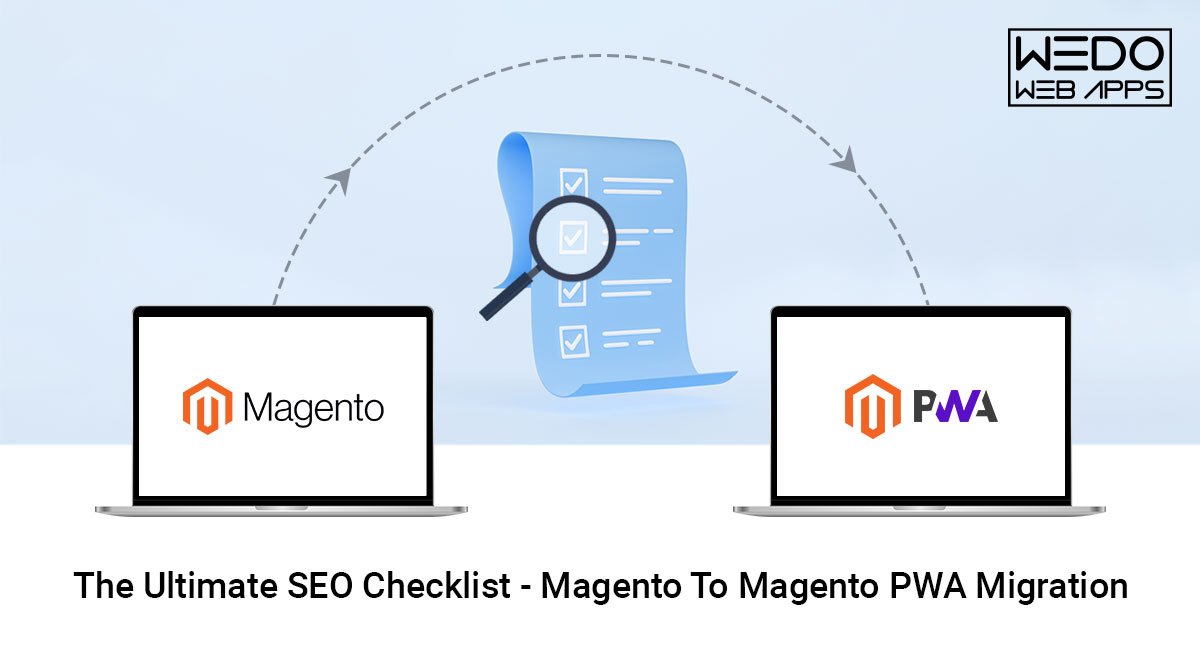
The Ultimate SEO Checklist Magento To Magento PWA Migration

So, you migrated to Magento 2 recently? But don’t know why your site is not ranking? 

You might say, “I have thousands of products on your site, but only a few have no customers. Why? 

Most likely reason is broken SEO. 

However, migration from Magento to Magento PWA can have negative impacts if not handled well. 

So, in this blog, we will be discussing an ultimate SEO Magento checklist for businesses looking to migrate from Magento to PWA. We have already prepared a list of mistakes that most people make during the Magento migration process. 

So, if you’re planning to migrate from Magento to PWA, this blog is a must-read for you. 

Magento Search Engine Optimization Checklist

Use this SEO checklist template and tick maximum boxes. 

#1. On-page SEO

On-page SEO is an essential aspect of any website, and it becomes even more important when migrating from Magento to PWA. This is because, during the migration process, it is crucial to ensure that the website’s search engine visibility is not affected. 

On-page SEO includes optimizing the website’s content, meta tags, and meta descriptions, which can help improve the website’s rankings in search engine results pages (SERPs).

Steps to optimize website content

  • Conduct keywords research 

One of the first steps in optimizing content is conducting keyword research. This involves identifying the keywords and phrases that people use to search for products or services related to your business. 

Once you have a list of keywords, you can use them to optimize your website’s content, meta tags, and descriptions. If you want to learn How to choose SEO keywords, you can refer to Moz or Semrush

  • Don’t Forget The Tags 

It’s important to review your tags after determining your indexing strategy to ensure proper implementation. Meta tags and descriptions are HTML tags that provide information about your website to search engines. 

Rel canonicals should be present for all products, directing towards themselves and any other CMS pages that are unique. 

Additionally, images should be equipped with ALT tags to give search engines a better understanding of their content For multi-store websites that have varying location targets, it’s crucial to implement hreflang tags across the store. This notifies Google of the existence of alternative versions of your main store and helps to ensure that the correct version is displayed to the right customers.

So, it’s important to keep in mind that all on-site activities should align with your search engine marketing strategy.

  • Internal linking is a technique that helps search engines understand the structure of your website and the relationship between its pages. It also helps visitors navigate your website more easily. It is important to use internal linking throughout your website, as it can help improve the website’s visibility in SERPs.\

Magento pwa migration

Tips To Improve User Experience

A clear navigation structure can help visitors find the information they need more easily. It is important to organize the website’s content logically and to use a simple and consistent navigation structure throughout the website.

A clean and simple design can help visitors focus on the website’s content and find the information they need more easily. It is also important to ensure that the website’s design is responsive, so that it looks good on all devices.

Improving website load times: Website load times can have a big impact on user experience. It is important to optimize the website’s images and code to reduce load times. 

This can be done by compressing images, minifying code, and using a content delivery network (CDN). By improving website load times, you can help ensure that visitors have a good experience when they visit your website.

#2. Off-page SEO

Off-page SEO refers to the optimization techniques that are used outside the website to improve its ranking in the search engine results pages (SERPs). 

It is an important aspect of SEO, as it helps to increase the visibility and credibility of a website. In the context of Magento to PWA migration, off-page SEO is crucial as it helps to establish the new PWA as a reputable and trustworthy source of information.

Steps to improve link building

  • Acquiring backlinks from reputable sources – Backlinks are links from other websites that point to your website. They are important for SEO because they signal to search engines that other sites consider your content to be valuable and relevant. 

To improve link building, it is essential to acquire backlinks from reputable sources such as industry-specific blogs, news websites, and other high-authority sites.

  • Social media is an effective tool for building brand awareness and driving traffic to a website. By creating engaging and shareable content, businesses can attract more followers and increase their reach. 

This can lead to more backlinks, which can improve link building and off-page SEO.

  • Creating valuable content that is likely to be shared is another important aspect of link building. This can include blog posts, infographics, videos, and other types of content that are relevant and informative. 

By providing high-quality content that is likely to be shared, businesses can attract more backlinks and improve their off-page SEO.

#3. Technical SEO

Technical SEO is crucial for ensuring that a website is easily accessible and crawlable by search engines. 

During a migration from Magento to a Progressive Web App (PWA), it is important to ensure that all technical SEO considerations are taken into account in order to maintain or improve the website’s search engine rankings.

Steps to ensure proper website structure and architecture

  • Proper website structure and architecture including the XML sitemap is essential for technical SEO. During a Magento to PWA migration, the following steps should be taken to ensure that the website’s structure and architecture is optimized.. 
  • Properly redirecting pages: All pages that are being removed or replaced during the migration should be properly redirected to the appropriate new pages in order to maintain link equity and avoid 404 errors.
  • Properly handling canonical tags: Canonical tags should be used to ensure that search engines understand which pages are the preferred versions of the content.
  • Utilizing proper header tags: Proper header tags (H1, H2, H3, etc.) should be used to structure the content and make it easy for search engines to understand the hierarchy of information on the page.
  • Ensuring mobile responsiveness: The website should be optimized for mobile devices to ensure that it is accessible to the increasing number of mobile users.

Tips to improve website speed and performance

  • Website speed and performance is an important factor for SEO and user experience. The following tips can be used to improve website speed and performance during a Magento to PWA migration:
  • Minimizing code bloat: Remove any unnecessary code and scripts that may slow down the website.
  • Optimizing images: Optimize images by compressing them and using appropriate file types.
  • Utilizing a Content Delivery Network (CDN): A CDN can help distribute website content to users based on their geographic location, which can help to improve website speed.

#4. Preserving the URL Structure

Preserving the URL structure during the migration process is important because it can help ensure that the website’s search engine visibility is not negatively impacted. Search engines rely on URLs to understand the structure of a website and to determine which pages are relevant to a particular search query.

  • Implementing 301 redirects is a way to redirect users and search engines from the old URLs to the new URLs. This can help ensure that users and search engines are directed to the correct pages, even if the URLs have changed. 
  • Preserving the existing URL structure of a website during the migration process is crucial to ensure that any existing backlinks and indexed pages are redirected to the new URLs. 

It is important to ensure that the new URLs are as similar as possible to the old URLs to minimize any potential loss of search engine visibility. 

For example, if a website’s old URL is “example.com/product/123”, the new URL should be “example.com/product/123” as well. By preserving the URL structure, businesses can ensure that any existing backlinks and indexed pages are redirected to the new URLs, preserving the website’s search engine visibility.

  • Mapping the old URLs to the new URLs is an important step in ensuring that the website’s search engine visibility is not negatively impacted. This can include creating a spreadsheet that lists all the old URLs and the corresponding new URLs.

#5 Utilizing Structured Data Markup Implementation 

Structured data is a type of code that helps search engines understand the content of a website. When migrating from Magento to PWA, it’s essential to ensure that structured data is properly implemented and optimized.

Structured data helps search engines understand the content of a website, making it easier for them to index and rank the website in search results. 

In addition, structured data can also be used to enhance the appearance of a website in search results, making it more likely to be clicked on. Another benefit of structured data is your site can appear in rich snippets for further online store optimization. 

Considering a platform change? Explore the benefits and steps involved in a Squarespace to Magento migration to boost your site’s performance and SEO.

  • Implementing structured data for PWA

When migrating from Magento to PWA, it’s essential to ensure that structured data is properly implemented and optimized. This can be done by using a structured data markup helper such as Google’s Structured Data Markup Helper to add structured data to the website’s code.

  • Testing structured data for errors

After implementing structured data, it’s essential to test it for errors using the structured data markup helper tool.  This can be done by using a structured data testing tool such as Google’s Rich Results Test to ensure that the structured data is properly implemented and free of errors.

#6. Monitoring Analytics

Monitoring your website’s analytics is essential to understanding how your website is performing and identifying areas that need improvement. By tracking  Google Analytics for key metrics such as traffic, bounce rate, and conversion rate, you can gain valuable insights into how your website is being used and what changes need to be made to improve it.

By analyzing your website’s analytics data, you can identify which pages are performing well and which pages are not. This information can be used to optimize your website’s content and structure to improve its overall performance.

Magento development

By monitoring your website’s analytics, you can also identify which pages need optimization. This information can be used to make changes to your website’s content, structure, and design to improve its overall performance.

Planning a Magento-to-PWA migration and want to avoid costly SEO mistakes? Consider professional Magento developer hiring support to ensure a smoother, search-friendly transition.

What’s The Concept of Magento PWA and Why Does It Make Sense To Migrate Magento to Magento PWA?

PWAs are web applications that provide a native app-like experience to users and are designed to work offline. 

They are faster, more responsive, and provide a better user experience than traditional websites. This is why many businesses are now migrating from Magento to PWA Magento migration. 

  1. Better Conversions 

Moving your frontend to PWA provides increased flexibility and the potential for increased conversion rates. You will no longer be restricted by the design limitations of the CMS your store runs on, giving you the freedom to optimize the frontend for better user experience and conversion. 

Alibaba, for instance, experienced a remarkable 77% increase in conversion after transitioning to PWA.

  1. Make Quick Tweaks Effortlessly 

By separating the frontend from the backend, you can make quick modifications to the design without disrupting the backend operations. 

This provides ample opportunities for testing and finding the most effective design choices, leading to improved performance.

  1. Override app store restrictions

Progressive web applications offer a unique advantage for businesses as they don’t have to comply with the limitations and restrictions imposed by the App Store and Play Market. 

So, this can be a great opportunity for companies that are not yet prepared to invest in native app development. Furthermore, moving to PWA can be a viable solution for businesses operating in niche markets that fall under the “gray” eCommerce category.

Why does SEO matter during the migration process?

SEO (Search Engine Optimization) is an important consideration during the migration process as it can have a significant impact on the website’s search engine visibility. 

Businesses should take steps to ensure that the migration process does not negatively impact their website’s search engine visibility.

  • Conducting a Thorough SEO Audit is an important first step in identifying any issues that may be impacting the website’s search engine visibility. This can include identifying any technical issues, such as broken links or duplicate content, as well as any issues related to the content of a website and structure.
  • Analyzing website traffic data can help businesses understand how users are interacting with their website. This Google Search Console data includes information such as the number of visitors, where they are coming from, and which pages they are visiting. This information can be used to identify areas of the website that may need to be optimized.
  • Identifying high-performing pages can help businesses understand which pages are driving the most traffic and engagement. This information can be used to inform the migration process and to ensure that these pages are preserved during the migration.
  • Identifying areas for improvement can help businesses understand what changes need to be made to the website in order to improve its search engine visibility. This can include making changes to the website’s structure, content, and technical elements.

To ensure your migration is seamless and optimized for success, explore our expert Magento web development services that cover every aspect of your e-commerce needs.

Conclusion

Migrating from Magento to PWA can bring many benefits, including improved user experience, increased website speed, and better search engine rankings. It can also help to increase conversions and revenue. However, it is important to ensure that the migration process is done in a way that does not negatively impact the website’s search engine visibility. 

SEO should be a major consideration during the migration process. It is important to conduct a thorough SEO audit, preserve the URL structure, optimize for speed, utilize structured data, and monitor analytics.

The process of SEO is ongoing and requires continuous efforts. Even after the migration process is complete, businesses should continue to monitor the website’s search engine visibility and make adjustments as necessary.

So. by following the ultimate SEO checklist , businesses can ensure that their online store is successful and that their website continues to perform well in search engine results.

Contact WEDOWEBAPPS LLC if you are looking to migrate your store from Magento 1 to Magento 2. For a detailed guide on the process, check out our data migration explained and discover the top themes for Magento 2 migration to ensure a smooth transition.

BigCommerce To Magento 2 Migration: How To Do It?

The eCommerce industry is highly competitive, so merely setting up a website is not enough to attract customers. You need to provide a top-notch shopping experience of your ecommerce business to them that is an upgrade from other services to stand out in the market. . BigCommerce provides a reliable and effective eCommerce solution, with over 95,000 active BigCommerce websites using the platform to sell items and handle payments digitally. Through BigCommerce, it is possible to list your products on eBay and Amazon. Furthermore, the platform is integrated with Facebook. As for Magento, third-party modules can help you to replicate the same features, albeit with more customization benefits. So, despite the diverse BigCommerce benefits, why migrate to Magento 2? This guide goes further in-depth into the comparison, including the steps for data migration process and BigCommerce to Magento Migration process. 

What Is BigCommerce?

BigcommerceBigCommerce is an e-commerce platform that enables business owners to create and manage their online stores remotely with just an Internet connection and a web browser. Users do not need to invest in additional web hosting or software, as BigCommerce runs on its own servers.BigCommerce offers a range of customizable templates including ecommerce website builder to help you build the perfect look for your online store. This platform is a great way to market physical and digital products and tools, making it easier to promote your business. Moreover, it is primarily geared toward those lacking website design knowledge. Still, it is also useful to tech-savvy customers and developers who need to customize their online store’s HTML and CSS.The platform is well-known for its easy-to-use interface. So, it is a great choice for those who want to establish an online ecommerce business but lack the technical know- how to host a website. With the platform, you can effortlessly build a bigcommerce website without any prior experience.

Ensure a smooth transition from BigCommerce to Magento 2 with our comprehensive ecommerce development solutions.

BigCommerce Pros

There are certain pros of BigCommerce as per the performance and scalability:

    • Scalability: BigCommerce is an ideal platform for ecommerce businesses of any size, offering the flexibility to scale up as your store’s needs increase easily. With BigCommerce, you can start small and be confident that your business will have the resources to expand as it grows.
    • Robust SEO Elements: BigCommerce is highly regarded for its outstanding SEO features, making it one of our favorite ecommerce platforms.
    • Incredible Features: BigCommerce has more built-in features than any other ecommerce website builder, eliminating the need to purchase additional apps, thus saving you money.
    • Zero Transaction Charges: BigCommerce does not levy any transaction fees with its plans, making it an economical option for businesses with tight profit margins and a high volume of transactions.
  • Variety Of Products: This system makes creating product options and variations quick and straightforward. There are no restrictions on the number of choices you can offer, allowing for a wide range of product configurations. This flexibility makes it much easier to provide customers with exactly what they’re looking for.

BigCommerce Cons 

With plenty of pros, there are certain cons to keep in mind as well for making a well-informed decision:

  • Limited subscription elements: If you want to offer subscription services or accept regular payments, you must purchase a third-party application.
  • Less multilingual alternatives:It is impossible to accomplish this using bigcommerce’s native functionality; the only way to do it is with the help of a third-party application.
  • Zero email marketing devices: BigCommerce does not offer any email marketing services, so you will have to purchase an outside application to get this function.

Analyzing Your Current BigCommerce Store

Before proceeding with the Bigcommerce data migration process, you should study your currently available store on BigCommerce properly.

  • Identifying elements to keep from your BigCommerce store

On Magento 2, you can add new attributes and elements to the store and change its design. The themes are customizable, and it is possible to insert different extensions. So, check and decide what elements in the currently existing BigCommerce-centric store you want to keep in the Magento 2-centric store after migration. 

  • Choosing Your Magento Version: Community Edition Vs Enterprise Edition

Magento marketplace includes two major versions that you can select for optimal benefits and features. These are Enterprise and Community versions. The former is a paid package with more built-in functions, tools, integration, and features. On the other hand, the latter is free and user-friendly but has comparatively limited functional benefits than the Enterprise version. So, before proceeding with the BigCommerce to Magento2 migration, consider which one you will prefer for your e-commerce store. 

Why Should You Move from BigCommerce to Magento 2?

In terms of usability, BigCommerce promises high-quality functions and user-friendliness. In contrast, Magento is more widely used and handles more web stores across different websites. Not to mention, it covers a wide range of categories as well as e-commerce sites and is compatible with various software types. Overall, there are many ways for Magento developers to have a better choice, and businesses should consider it for bigcommerce to magento migration to reap the benefits.

  • Enjoy more payment gateway options. 

While using Big Commerce, e-commerce website owners get access to various integration payment gateway options, with counts reaching over 65. Some include Amazon Pay, Apple Pay, and even standard options like credit/debit, Net Banking, etc. Plus, Big Commerce users can save more money as well, given the unavailability of transactional fees for users here. However, in the case of Magento, users get access to many third-party payment gateways to use as options. Users get Braintree and PayPal as preset payment method choices in this version. Besides them, professionals can operate the Magento Connect tool to add more payment gateways to their store, as multiple apps are available for syncing.Users also get the option to incorporate different payment styles, like guest checkouts, into their store when operating on Magento. 

  • Advanced-Data Security

When it comes to online platforms for selling items, Magento is one of the best platforms available for ecommerce. Companies prioritize website security heavily, and Magento 2 comes up with more security solutions and updates frequently, compared to others like BigCommerce. Magento 2 migration processIndeed, Magento 2 comes up with update announcements for patchwork frequently. However, while quicker updates are available in Magento 2, users must operate these with more focus.

  • Compliance with PCI DSS 

For businesses in the ecommerce environment, PCI Compliance is extremely important. These standardization categories help businesses ensure secure and stable management of customer data, especially regarding sensitive transaction information, like credit card data and payment processing. Ecommerce businesses have to show their PCI compliance audit to authorities in an effort to showcase security protocols in place for customer data protection. BigCommerce is useful for this as the PCI compliance management process is simple. On Magento, businesses have to handle their PCI compliance steps, like manually maintaining the PCI patchwork and compliance factors. Therefore, the users of Magento 2 get access to high-grade PCI DSS compliance support for their business and can activate it with better support.The e-store owner must set the firewall between the public networks and credit card data and upgrade all vendor-provided passwords. This ensures improved password security support.Read also: Hire Dedicated BigCommerce Developers

  • Superior Interface and Theme Customizations

For eCommerce businesses, having multiple customizations and themes in place is necessary to ensure the best-quality eStore design options. It is hard to refute that BigCommerce provides a lot of templates for the interface design to users beforehand. Indeed, users can expect around 100+ paid themes and 12 free ones, the paid ones all ranging between the cost range of USD 140-240 each. However, when it comes to the aspect of variety, many of the pre-made themes are relatively similar to each other. Compared to that, users get around 14 theme choices in paid and free versions that they can utilize as the basic standardization. You can check how the theme looks for your store site and then provide the payment. Yes, in the context of the theme types available, BigCommerce assures more options. However, the ones available on Magento marketplace are customizable with in-built HTML/CSS editors. While making this comparison, it is possible to mention that there are also useful editors under the BigCommerce platform. However, the ones in Magento are more stabilized. Since the Magento platform is open source, users can incorporate more extensions and plugins to customize the site’s appearance. One can prepare their theme from the ground up and build a website using the Magento plugins if you have deep coding experience. But overall, you should consider BigCommerce to Magento 2 migration due to the flexibility of the customization process. Users can add featured product sliders, animations, newsletter options, etc.

  • Better Apps and Extensions

In bigcommerce websites, preparing and adding a custom theme is the better option. On the other hand, theme extensions are more useful for online stores, with access to different tools that help you add new functions to the eCommerce website. There are different preset features in BigCommerce for site hosting that you can use to build a website. Here, businesses also get access to 600 different app options suitable for various categories.On the other hand, Magento comes with 5,381+ extensions, all suitable to provide optimal compatibility and website security protection requirements for businesses. The extension options are available within the Magento marketplace.

How To Perform the BigCommerce to Magento 2 Migration Process?

There are different methods available for BigCommerce to Magento 2 data Migration process. Choose as per your preference, and take professional help with the process for the best results.

Method 1: Using Data File Transfer 

The following are the main stages of BigCommerce to Magento Migration using data files. 

Step 1: Export the website item of your BigCommerce

In the first stage of data migration process , developers export the items to the BigCommerce website, alongside other things like catalog, shipping price , customer IDs, customers, and XML/CSV-format-based properties. Go to the BigCommerce extensions under the named category. 

Step 2: Import Data Files to the Magento 2

Next, you have to opt for the “Improved Import & Export” extension for importing the BigCommerce-based extension data. 

  • Firstly, contact the Magento 2 admin and choose the System option. 
  • Under this section, click on the Improved Import/Export option. 
  • Then, choose the Import Jobs option to prepare the new import job. 

Magento 2 migration

Step 3: Jump into the Setting Process

Following these steps, you should focus on the General Settings steps. For that, you have to change the import behavior, import setting, basic settings, etc. 

  1. Under Import Settings, choose the entity you will move to Magento 2 from BigCommerce. Update parameters like Advanced Pricing, Products, Categories, etc. 
  2. Tap on Import Behavior and choose a prepare behavior. Also, you should select a suitable validation approach and insert separators for the migration. 
  3. In the Import Source section, select the import file type and source. Make more setup changes and check them. 
  4. Finally, compare the properties noticeable in Magento 2 with those in BigCommerce. Operate a matching grid within a mapping preset or extension. 

Method 2: Through API

With the advanced Import & Export module on the Magento 2 version, professionals can directly connect with BigCommerce and transfer files through it. For this, they must utilize the available APIs best suitable for SOAP/REST link-based file transfers. 

Step 1: Create Your New Import Job

You must click on the System option and choose the Improved Import/Export module. Then, under the Magento 2 admin, choose Import Jobs and prepare a new one. 

Step 2: Setting Process

It would be best if you continued the setting up process in the General Settings, Import Behavior, Import Settings, and Import Source next. While you are making configuration changes in the same categories, the steps you will handle are slightly different in all these categories. 

  1. Under General Settings, you should add your job title and make extra condition setups. 
  2. In Import Settings, you should activate the API transfers by changing the Use API option to YES. Then, select the entity for BigCommerce to Magento 2 migration. 
  3. Under Import Behavior, you have to choose your preferred import behavior and validating strategy here. Also, type the separators. 
  4. Then, for the Import Source, select the import file format, source option between SOAP or REST, and other parameters. 

Step 3: Set Up Other Processes to Validate the Data File

Validate the data file to finalize it. Then, you have to select and activate Manual Grid, or the available presets for BigCommerce attribute mapping into Magento 2 attributes. This will confirm the whole data migration process to complete.  

Conclusion

Overall, Magento 2 is a high-caliber ecommerce platform with easy ecommerce website builder to which you can turn your ecommerce website for the best service improvement for your digital store. It comes with more theme customization benefits, payment gateway options, extensions, and more benefits. So, follow ahead with the BigCommerce to Magento 2 migration steps in your preferred sequence using API or data files. These steps can become complex to handle. For the best results, you should take the help of high-grade migration service like WeDoWebApps.com. Our talented Magento professionals have experience with different complex migration steps and can handle that as you request. You can also request a free demo to understand if it’s right service you. Start free demo migration today.

3D Cart To Magento 2 Migration: Detailed Guide to Migrate Successfully

Are you looking for an eCommerce platform offering robust customization, advanced scaling, superior support, and SEO? If so, Magento 2 might be a good fit for your business. Although the 3D cart is an effective eCommerce platform, its limitations can frustrate users. With its advanced features and capabilities, Magento 2 addresses these issues, thus making it the ideal choice for businesses that wish to differentiate themselves from the competition and increase sales online.In this blog, we will understand how to migrate from 3D cart to Magento 2 successfully without breaking your site, along with a detailed Magento migration planLet’s get started. 

Why Migrate 3Dcart To Magento 2 CMS?

The Magento 2 administration panel has an intuitive interface and robust configuration controls. Because of Magento’s scalability, scalability, and extensive feature set, the software has been gaining popularity rapidly. This platform best suits businesses with complex websites with thousands of categories and products. Moreover, it offers advanced features like page building and drag-and-drop functionality. In 3DCart, users have limited customization options, which makes it difficult to stand out from competitors while creating a unique online store. In contrast, Magento 2 offers users more extensive customization options, enabling them to create a fully personalized online store with unique design, functionality, and user experience.Moreover, 3DCart has limitations regarding scalability, which can hinder the growth of large businesses. Magento 2 is a highly scalable platform that is capable of handling large amounts of traffic and data, making it an ideal choice for businesses of all types. The advanced scalability features of the system allow users to manage their online store’s growth without experiencing performance problems.Since 3DCart has so many limitations over Magento, store owners may prefer to migrate to Magento 2 and also check best Magento migration services in the USA.  

Comparison Between 3Dcart And Magento 

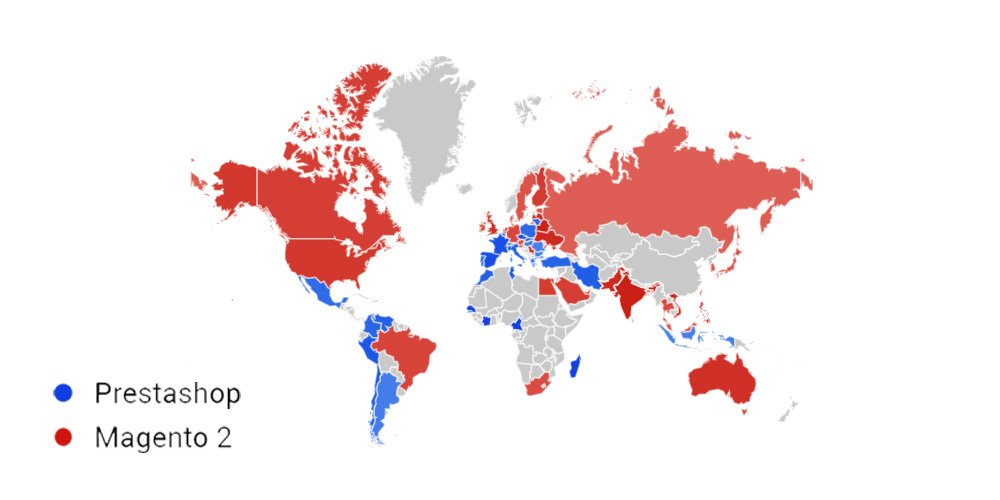
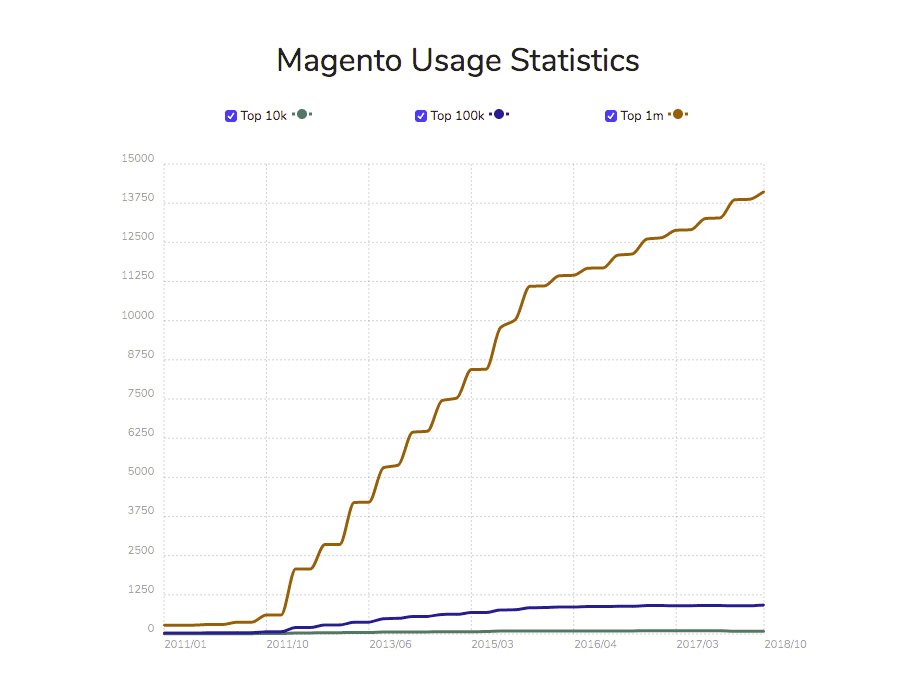
Currently, Magento has171,162 websites in its ecosystem, and 3dcart has less than 3.2k.Due to its limited free options, 3dcart is far behind Magento in terms of the Top 10K Sites, the Top 100K Sites, the Top 1M Sites, and the Entire Web. Here are the diagrams illustrating our favorite e-commerce platform’s superiority:Market share by top websitesCompared to its competitors, Magento has better coverage across 21 domains of websites, including Shopping, Business & Industry, Arts & Entertainment, and Health. Conversely, 3Dcart isn’t ahead of Magento in any website category.In terms of geographical distribution, Magento leads the way. For more information, check out the map below:3dcart and magentoLet’s discuss this in more detail now

1. B2B Functionality

For small, medium, and large businesses, Magento offers 3 editions: Open Source (free), Commerce, and Commerce Cloud (paid). Two paid licenses, among them, include essential B2B features. While Magento has should-have features for serving your advanced business needs, there is still a jungle of third-party extensions you can choose from.It is important to note that if you are using Magento Open Source 2, and it does not include the B2B features, you don’t have to worry about it, as there are plenty of Magento 2 B2B extension providers out there that are affordable for you to choose from. Depending on which provider you choose, the flow for the B2B Solution may differ slightly, but mostly, it follows the primary circuit that complies with the well-known B2B customer journey, which is generally the same.On the other hand, the best way to activate all the B2B features of 3dcart is to purchase the Shift4Shop B2B eCommerce plan for $379 per month. Overall, the 3dcart B2B plan’s operational flow is almost similar to that of Magento’s, though its extensibility and stability are slightly more limited than that of Magento’s.Magento migration services

2. Hosting

There are a lot of differences between 3dcart and Magento when it comes to hosting. For instance, Magento is a self-hosted platform, meaning you – as users – are required to download and run the software on your own hosting server to begin using the software.This way, you can enjoy customized functions without sacrificing total ownership and control. In contrast, 3dcart (Shift4Shop) is a hosted solution. This means that 3dcart manages the entire server. While this solution allows you to publish content quickly and easily, your customization options are limited. Another disadvantage to using a 3dcart store is the limited number of free themes that are less attractive and less adaptable than those available with a premium account. 

3. Pricing

Pricing-wise, 3dcart is more competitive than Magento. 3dcart charges around $29/month (minimum), while Magento charges over $1000/month (minimum). There are pricing plans available for retailers of all sizes at 3Dcart. Smaller online sellers can benefit from features like a site builder and an easy-to-use control panel. In contrast, larger retailers can choose a comprehensive premium plan or several enterprise plans (for those which turn over millions of dollars).PricingConcerning Magento, its Open Source edition is totally free. You are only required to pay fees when installing extensions from Magento or other Magento solution providers. Each provider charges a different fee based on the price of their products.Switching from Magento Commerce or Commerce Cloud will incur charges, as shown in the following table.Costs of each magento edition

How To Perform 3Dcart To Magento 2 Migration?

Here is a step-by-step guide for migrating 3dcart to Magento 2. The easiest method is based on third-party solutions.The default import tools of 3dcart are the simplest and most obvious way to migrate between 3dcart and Magento 2. However, we strongly suggest using a third-party solution for this task, since the default import tools will result in many unpleasant circumstances that cannot be changed. For instance, some entities cannot be imported manually using the standard Magento 2 tools. Furthermore, using the Magento admin, you cannot map third-party properties or automate data transfers. Therefore, we recommend retailers use a third-party solution to migrate to 3dcart Magento 2 efficiently.There are a couple of essential requirements for Magento 2 to enable data import seamlessly with 3dcart or other external systems.

  • The selected module should support all Magento 2 entities.
  • It should automate data transfers.
  • The chosen solution should resolve the disparate attribute standards issue.

In other words, many more factors affect each business case. However, Magento 2’s most of the extension integrates all these factors seamlessly to enable automated data transfers. Thus, this is the solution for a 3dcart to Magento 2 migration and to integrate your store with databases, marketplaces, and customer relationship management systems.

Migrating From 3Dcart To Magento 2 Through Data Files

  • From your 3dcart website, you can export products, orders, customers, catalogs, and other entities using XML or CSV files.
  • You can use additional solutions from 3Dcart apps if the functionality you’re looking for isn’t available.

You can then import data files from the Magento 2 website using the extension you installed.

  • You can create an import job under System > Import / Export > Import Jobs.
  • Configure the job under General Settings > Import Settings > Import Behavior > Import Source.
  1. General Settings: In the Job Title field, you can choose a job title and other options.
  2. Import Settings: Select a 3dcart entity to import into Magento 2. The Magento 2 extension is designed to modify all the elements on your Magento 2 website: Products, Categories, Customers, Advanced Pricing, Orders, Attributes, Cart Price Rules, CMS Pages, and Blocks. Some of them have other features. For instance, the Import Settings section allows you to remove obsolete categories or product associations.
  3. Import Behavior: Choose an import behavior choice from the list. Next, add separators and select a validation approach appropriate to Magento 2 3dcart.
  4. Import Source: Choose the file type and source under Import Source. Configure more settings, submit the data file, and check it.
  5. Mapping: Convert external 3dcart attributes to Magento 2 attributes. Alternatively, you can use the mapping presets or the matching grid of the extension.

Ensure that each entity has its own separate import job; otherwise, the 3Dcart Magento 2 transfer will not be successful for more Magento data migration explained.

Migrating From 3Dcart To Magento 2 Using API

The extension enables users to use an API to connect directly to 3dcart via their new extension module as an alternative method for executing the 3dcart to Magento 2 migration more easily and quickly. For example, you can use the instructions below to change over from file transfers to REST or SOAP connections:

  1. You can create a new import job in your Magento 2 admin by going to System -> Improved Import / Export -> Import Jobs.
  2. It is necessary to configure general settings, import settings, import behavior, and import source configuration. Please note that this is a different process to export data from what we discussed previously.
  1. General Settings: Enter the job title and other preferences in the General Settings field.
  2. Import Settings: In the import settings, set “Use API” to “Yes” to enable API transfers for entities migrating from 3dcart to Magento 2.
  3. Import Behavior: Choose an import behavior and a validating strategy. Select separators to complete this section’s setup.
  4. Import Source: Select the import file format when migrating data from Magento 2 to 3dcart. The next step involves setting up parameters for REST or SOAP. You can choose either XML or JSON as your source. Validate the data file to finish.
  5. Mapping: Use presets or a manual grid to map 3dcart attributes to Magento 2. This will prevent further import procedures.

To migrate from 3dcart to Magento 2 using an API, you will need to create a new import job for each entity and run multiple import processes simultaneously.Migration service

Magento 2 vs. 3dcart: What platform should you choose?

Who Should use Magento 2?

A smaller business, especially one that needs more coding experience and is on a budget, is best served by 3dcart or another more user-friendly solution instead of Magento because of the complexity of this system. In short, this platform is most effective when it is used by large corporations and medium-sized companies with sufficient funds to cover the costs of running it.

Who Should use 3D Cart?

This is an excellent solution for those online stores anticipating a fast growth rate and who wish to work with a platform that will scale well and can handle whatever number of customers and sales they will experience over the course of the next few years. Read also about PSD to Drupal and Magento Conversion

Conclusion

Unlike 3DCart, Magento 2 offers many benefits, including enhanced customization options, superior scalability, robust support, and improved SEO. These features make Magento 2 an excellent choice for businesses that want to start a branded online store, grow, and drive sales. To ensure a smooth and successful migration process from 3DCart to Magento 2, you should work with an experienced developer. At Wedowebapps, our talented developers can help you easily migrate your online store to Magento 2 and enhance its performance. With our Magento developers for hire by your side, the migration process will occur as smoothly and efficiently as possible, ensuring your store can run on Magento 2 as soon as possible. Our team can assist you if you want to increase your business’ performance online or expand your customer base. Get in touch with us today to learn about our migration services and how we can help you.

A Hire Magento Developers Guide for Informed Business Decisions

Introduction: Why Hiring the Right Magento Developers is a Strategic Decision

Hiring Magento Developers is rarely a simple resourcing task. For most businesses, Magento supports critical operations, like performance, scalability, integrations, and long-term growth. A poor hiring decision does not just delay delivery. It often creates ongoing technical debt, stability issues, and repeated rework.

This is where a hire Magento developers guide becomes important. Before speaking to vendors or shortlisting Magento development teams, decision-makers need clarity on how Magento hiring works, what to evaluate, and where risks usually appear. Without that clarity, hiring decisions are often rushed, reactive, and based on incomplete information.

Many businesses begin the Magento developer hiring process after encountering problems, slow performance, failed upgrades, integration limitations, or growth constraints. At that stage, expectations are unclear, trade-offs are not fully understood, and short-term fixes take priority over sustainable solutions.

This hire Magento developers guide is designed to support hiring research, not push action. It helps you understand different ways to hire Magento developers, evaluate essential skills and experience, recognize common mistakes, and prepare internally before starting conversations with external teams.

Think of this guide as a preparation framework. It is meant to help you ask better questions, assess readiness, and approach Magento hiring with structure and confidence, rather than urgency.


Explore Magento Hiring Options

Different Ways to Hire Magento Developers

Before evaluating skills or experience, it is important to understand the different ways businesses typically hire Magento developers. Each approach comes with distinct trade-offs related to cost control, flexibility, risk, and long-term maintainability. There is no universally right option. There are only choices that align better or worse with your business context.

1. Freelance Magento Developers

Freelancers are often considered for short-term tasks or isolated requirements. They can offer flexibility and faster onboarding, especially for clearly defined work. However, this model can introduce risks when projects grow in complexity. Knowledge continuity, availability, documentation discipline, and accountability can become challenges over time, particularly for stores requiring ongoing optimization or support.

This option usually works best when the scope is limited and internal teams can manage oversight.

2. In-House Magento Developers

Hiring Magento developers in-house provides direct control over priorities, workflows, and long-term roadmap alignment. It allows teams to build internal platform knowledge and respond quickly to business needs. That said, in-house hiring involves long-term commitments such as recruitment time, onboarding, training, and retention.

For many businesses, this model is most effective when Magento development is a continuous, core function rather than a periodic requirement.

3. External Development Teams or Agencies

External teams offer access to broader skill sets, established processes, and experience across multiple Magento projects. This can reduce execution risk for complex builds, migrations, or scaling initiatives. The trade-off is reduced day-to-day control and the need for clear communication and governance structures.

Businesses often explore this route when internal expertise is limited or when project timelines require a faster ramp-up.

Choosing the Right Approach

As part of the Magento developer hiring process, decision-makers should evaluate:

  • Project complexity and duration
  • Internal technical oversight capabilities
  • Dependency risk and knowledge retention
  • Long-term maintenance expectations

Understanding these hiring paths early helps set realistic expectations and prevents mismatches later in the process.

Core Skills Magento Developers Should Have

Magento skills matter because weak execution creates long-term platform risk, not just short-term bugs. Use this Magento developers skills checklist to evaluate capability during the hiring process.

Backend Skills (Platform Stability)

A Magento developer should demonstrate:

  • Understanding of Magento architecture and module structure
  • Ability to build custom features without core file modifications
  • Experience managing database relationships and data integrity
  • Clean, maintainable code that supports future upgrades

Why this matters: Poor backend decisions often lead to upgrade failures and recurring technical debt.

Frontend Skills (Performance and Usability)

Look for experience in:

  • Magento theme customization and layout XML
  • Frontend performance optimization techniques
  • Responsive design and cross-device consistency
  • Minimizing frontend conflicts during feature additions

Why this matters: Frontend inefficiencies directly affect load speed, user experience, and conversion.

Performance and Scalability Awareness

A capable Magento developer understands:

  • Caching strategies and indexing behavior
  • Impact of custom code on site speed
  • Handling large catalogs and traffic spikes
  • Performance testing before and after deployments

Why this matters: Performance issues are expensive to fix after the store scales.

Security and Upgrade Readiness

Security-focused developers prioritize:

  • Magento security patch implementation
  • Safe handling of customer and payment data
  • Building features compatible with future Magento updates
  • Avoiding shortcuts that block upgrades

Why this matters: Security oversights increase risk and long-term maintenance costs.

Integration and Problem-Solving Skills

Magento developers should be comfortable:

  • Working with third-party tools and APIs
  • Troubleshooting integration conflicts
  • Documenting decisions and edge cases
  • Explaining technical trade-offs clearly

Why this matters: Most Magento issues arise from integrations, not core functionality.

This checklist helps shift evaluation from resumes and claims to real capability assessment.


highlighting evaluation of essential Magento skills

Experience Factors That Matter

Skills alone do not reduce hiring risk. Relevant Magento experience does. This section helps you evaluate what kind of experience actually matters during the Magento developer hiring process, beyond portfolios or years claimed.

Experience With Magento Migrations and Upgrades

Magento upgrades and migrations are high-risk projects. Look for experience with:

  • Magento 1 to Magento 2 migrations
  • Version upgrades without breaking custom features
  • Data integrity during migration (orders, customers, catalogs)
  • Post-migration performance and stability checks

Why this matters: Many Magento issues surface after migration, not during it.

Custom Development in Real-World Scenarios

Ask about experience handling:

  • Custom checkout flows and pricing logic
  • Complex product types and catalog structures
  • Business-specific workflows that do not fit the defaults
  • Extending Magento without creating future conflicts

Why this matters: Magento stores rarely operate out of the box for long.

Handling Scale and Traffic Growth

Relevant experience includes:

  • Managing large product catalogs efficiently
  • Supporting seasonal or campaign-based traffic spikes
  • Preventing performance degradation as features increase
  • Working with scalable infrastructure setups

Why this matters: Code that works at low scale often fails under real growth pressure.

Integration-Heavy Project Experience

Magento rarely runs in isolation. Developers should have worked with:

  • Payment gateways and tax systems
  • ERP, CRM, and inventory tools
  • Marketing automation and analytics platforms
  • Third-party extensions with conflicting behaviors

Why this matters: Most long-term Magento instability comes from integration conflicts.

Problem Resolution and Post-Launch Support

Evaluate experience with:

  • Debugging production issues calmly and systematically
  • Supporting stores after launch or major updates
  • Communicating technical limitations clearly
  • Documenting fixes for future reference

Why this matters: How developers handle issues is often more important than how they build features.

Assessing experience this way helps you move past surface credentials and focus on risk-reducing, outcome-driven capability.

Signs Your Business is Ready to Hire Magento Developers

Hiring too early can be just as risky as hiring too late. Before moving forward, it helps to assess whether Magento development will actually solve your current challenges or introduce new ones. Use the indicators below to evaluate readiness objectively.

Increasing Store Complexity

Your business may be ready if you are experiencing:

  • Custom requirements that go beyond Magento’s default features
  • Workarounds piling up instead of clean solutions
  • Difficulty maintaining consistency across features
  • Technical limitations slowing down new initiatives

Why this matters: Complexity without proper development support often leads to fragile systems.

Performance or Stability Issues

Readiness signals often include:

  • Slower load times despite infrastructure upgrades
  • Errors appearing after extensions or updates
  • Performance issues during traffic spikes
  • Difficulty identifying root causes internally

Why this matters: Performance problems usually stem from deeper architectural decisions.

Growth Pressure on the Platform

Hiring becomes relevant when:

  • Traffic or order volume is increasing steadily
  • Catalog size is growing beyond manageable limits
  • New markets, currencies, or regions are planned
  • The existing setup cannot support the upcoming growth goals

Why this matters: Scaling without proper development planning amplifies technical debt.

Internal Capability Gaps

You may be ready if:

  • Internal teams lack Magento-specific expertise
  • Technical decisions are delayed due to uncertainty
  • Maintenance consumes more time than innovation
  • External help is repeatedly needed for basic changes

Why this matters: Consistent dependency without structure increases long-term risk.

Maintenance vs Innovation Imbalance

A clear sign is when:

  • Most effort goes into fixing issues, not improving features
  • Upgrades are postponed due to the fear of breakage
  • New ideas are avoided because of technical constraints

Why this matters: Magento development should enable growth, not restrict it.

Hiring Models and Engagement Options

Once the need for Magento eCommerce development is clear, the next step is understanding how engagement is typically structured. This section neutrally explains common hiring models, helping you evaluate fit without pushing any specific option.

Fixed-Scope Engagements

This model is usually defined by:

  • Clearly documented requirements upfront
  • Fixed timelines and deliverables
  • Limited flexibility once development begins
  • Change requests handled separately

Where this works best: When the scope is stable, well-documented, and unlikely to change.

Risk to watch: Magento projects often evolve, and rigid scopes can slow progress.

Project-Based Development

Project-based engagement typically involves:

  • A defined project goal rather than fixed features
  • More flexibility than fixed-scope models
  • Ongoing prioritization during development
  • Collaboration between business and technical stakeholders

Where this works best: For mid-sized initiatives with evolving requirements.

Risk to watch: Unclear ownership or weak prioritization can cause delays.

Long-Term or Ongoing Collaboration Models

This approach usually includes:

  • Continuous development and maintenance support
  • Flexible task prioritization over time
  • Better knowledge retention about the platform
  • Easier handling of upgrades and optimizations

Where this works best: When Magento is a long-term growth platform, not a one-time project.

Risk to watch: Without clear governance, effort can become unfocused.

Choosing an Engagement Model Thoughtfully

When evaluating engagement options, consider:

  • How clearly your requirements are defined
  • How often priorities are likely to change
  • Internal oversight and decision-making capacity
  • Long-term maintenance and upgrade needs

Understanding these models helps align expectations and reduces friction once eCommerce development begins.

In-House Preparation Before Hiring Magento Developers

Before engaging external teams or individuals, internal preparation plays a major role in reducing hiring risk. Businesses that invest time upfront in clarity and alignment tend to experience smoother Magento developer hiring processes and better outcomes.

Clarify Requirements and Priorities

Internal teams should define:

  • Core business goals the Magento work must support
  • Problems that need resolution versus nice-to-have features
  • Short-term priorities versus long-term platform needs
  • Constraints related to time, budget, or dependencies

Why this matters: Unclear requirements often lead to scope confusion and misaligned delivery.

Align Internal Stakeholders

Preparation improves when:

  • Decision-makers are clearly identified
  • Technical and business teams share the same objectives
  • Approval processes are defined in advance
  • Conflicting expectations are resolved early

Why this matters: Misalignment internally often causes more delays than technical issues.

Assess Existing Documentation and Systems

Review readiness across:

  • Current Magento setup and customizations
  • Documentation quality for existing features
  • Known issues, limitations, or technical debt
  • Dependencies on third-party tools and integrations

Why this matters: Incomplete visibility increases onboarding time and risk.

Set Realistic Timeline Expectations

Before hiring, consider:

  • Internal review and approval timelines
  • Testing and iteration cycles
  • Dependencies on external vendors or data
  • Business events that may affect delivery

Why this matters: Unrealistic timelines often force rushed decisions and shortcuts.

Establish Budget Awareness (High-Level)

While exact numbers may vary, it helps to:

  • Understand budget ranges internally
  • Align spending expectations with business value
  • Anticipate ongoing maintenance needs

Why this matters: Budget uncertainty can stall progress after hiring begins.

Strong internal preparation ensures that hiring Magento developers becomes a structured decision rather than a reactive response.


Magento hiring readiness evaluation

Questions to Ask Before Hiring Magento Developers

Asking the right questions is more important than reviewing resumes or portfolios. This section acts as a Magento developer hiring checklist, helping you evaluate capability, process maturity, and risk before making any decisions.

Questions About Technical Capability

Use these to assess real-world expertise:

  • How do you approach custom requirements without affecting core Magento functionality?
  • How do you ensure custom code remains upgrade-safe?
  • Can you explain how performance issues are typically diagnosed and resolved?
  • How do you handle conflicts between third-party extensions?

What this reveals: Depth of platform understanding and long-term thinking.

Questions About Experience and Past Projects

Focus on relevance, not volume:

  • What types of Magento projects have you worked on recently?
  • How have you handled migrations or major upgrades in the past?
  • What challenges typically arise during complex Magento builds?
  • How do you validate success after project completion?

What this reveals: Problem-solving experience and exposure to real complexity.

Questions About Process and Communication

Evaluate how work is structured:

  • How are requirements documented and validated?
  • How is progress tracked and shared with stakeholders?
  • How are changes or new priorities handled mid-project?
  • Who is responsible for quality assurance and testing?

What this reveals: Process maturity and predictability.

Questions About Collaboration and Support

Clarify working dynamics early:

  • How do you handle post-launch issues or bugs?
  • What level of documentation is provided?
  • How is knowledge transferred during or after engagement?
  • How are responsibilities divided between teams?

What this reveals: Accountability and long-term reliability.

Red-Flag Questions to Ask Yourself

During discussions, reflect on:

  • Are answers clear or overly vague?
  • Are risks acknowledged or dismissed?
  • Is complexity explained realistically?
  • Are trade-offs discussed openly?

These questions help shift evaluation from sales claims to practical readiness, reducing surprises later in the Magento developer hiring process.

Common Mistakes Businesses Make When Hiring

Many Magento hiring challenges do not come from poor intent. They come from avoidable assumptions. Understanding mistakes when hiring Magento developers helps you reduce risk before it turns into delays, rework, or unexpected costs.

Hiring Without Clear Requirements

A common mistake is starting conversations without clarity on:

  • What problems need solving immediately
  • What success looks like after delivery
  • Which features are critical versus optional
  • How Magento fits into broader business goals

Why this causes issues: Unclear requirements lead to misaligned expectations and constant scope changes.

Overvaluing Resumes and Portfolios

Businesses often rely too heavily on:

  • Years of experience without context
  • Generic portfolios that lack complexity
  • Familiar brand names without outcome details

Why this causes issues: Past work does not always reflect the ability to handle your Magento challenges.

Ignoring Long-Term Maintenance Impact

Short-term delivery often takes priority over:

  • Upgrade readiness
  • Code maintainability
  • Documentation quality
  • Post-launch support considerations

Why this causes issues: Magento stores accumulate technical debt quickly when maintainability is ignored.

Underestimating Magento’s Complexity

Magento is sometimes treated as:

  • A simple plug-and-play platform
  • Easily customizable without trade-offs
  • Low-risk to modify without planning

Why this causes issues: Small decisions can have large downstream effects on performance and stability.

Rushing Decisions Under Pressure

Hiring decisions are often rushed when:

  • Performance issues escalate suddenly
  • Deadlines are externally imposed
  • Stakeholders push for quick fixes

Why this causes issues: Urgency reduces due diligence and increases the likelihood of poor-fit hires.

Avoiding these mistakes requires slowing down, asking better questions, and treating Magento hiring as a strategic decision, not a quick fix.

How Businesses Usually Approach Magento Hiring

Most businesses do not move from problem identification to hiring overnight. The Magento developer hiring process typically follows a sequence of internal planning and evaluation steps that help reduce uncertainty before engaging external teams.

Internal Discovery and Assessment

The process often begins with:

  • Identifying technical limitations or growth blockers
  • Reviewing current Magento setup and pain points
  • Assessing internal capabilities and gaps
  • Clarifying whether issues are strategic or tactical

Why this matters: Clear problem definition prevents misaligned hiring later.

Budget and Timeline Alignment

Once needs are clearer, businesses usually:

  • Set internal budget expectations at a high level
  • Align timelines with business priorities
  • Account for dependencies and review cycles
  • Identify risks that may affect delivery

Why this matters: Early alignment reduces friction during vendor discussions.

Shortlisting and Evaluation

During this stage, teams typically:

  • Compare hiring approaches and engagement models
  • Evaluate skills and relevant experience
  • Ask structured, scenario-based questions
  • Look for transparency around risks and trade-offs

Why this matters: Structured evaluation leads to better long-term outcomes.

Transition From Research to Conversations

Only after internal clarity do businesses:

  • Begin external discussions
  • Share refined requirements
  • Validate assumptions through technical dialogue
  • Prepare for collaboration expectations

Why this matters: This transition marks the shift from research to informed action.

Closing Perspective: Using This Guide to Make Informed Hiring Decisions

Hiring Magento developers is not a single decision. It is a sequence of evaluations that shape long-term platform stability, performance, and growth. This guide is meant to support that research phase by helping you understand hiring options, assess skills and experience, recognize common mistakes, and prepare internally before engaging external teams.

Approaching Magento hiring with structure reduces uncertainty. It allows businesses to move beyond urgency, clarify expectations, and evaluate trade-offs realistically. More importantly, it helps ensure that any future engagement is based on readiness rather than pressure.

Many teams use guides like this to align stakeholders, refine requirements, and explore Magento development engagement models before starting external conversations. When done well, this preparation shortens decision cycles later and leads to more productive collaborations.

Use this guide as a reference point. Return to the checklists, questions, and readiness indicators as your needs evolve. Thoughtful preparation today often prevents costly corrections tomorrow.


encouraging informed Magento engagement decisions

What Is The Best Way To Migrate From WooCommerce To Magento 2?

WooCommerce and Magento are two of the most widely used content management systems for eCommerce store in the eCommerce world!Magento offers more comprehensive features but can be challenging to modify or maintain, requiring the assistance of a skilled professional for your Magento store. On the other hand, WooCommerce is relatively simple to customize and manage, making it a more attractive choice for many users.If you are running your store on WooCommerce and want to expand your business by switching to Magento, this blog post is for you. Read on to discover the best way to migrate from WooCommerce to Magento.

What is WooCommerce?

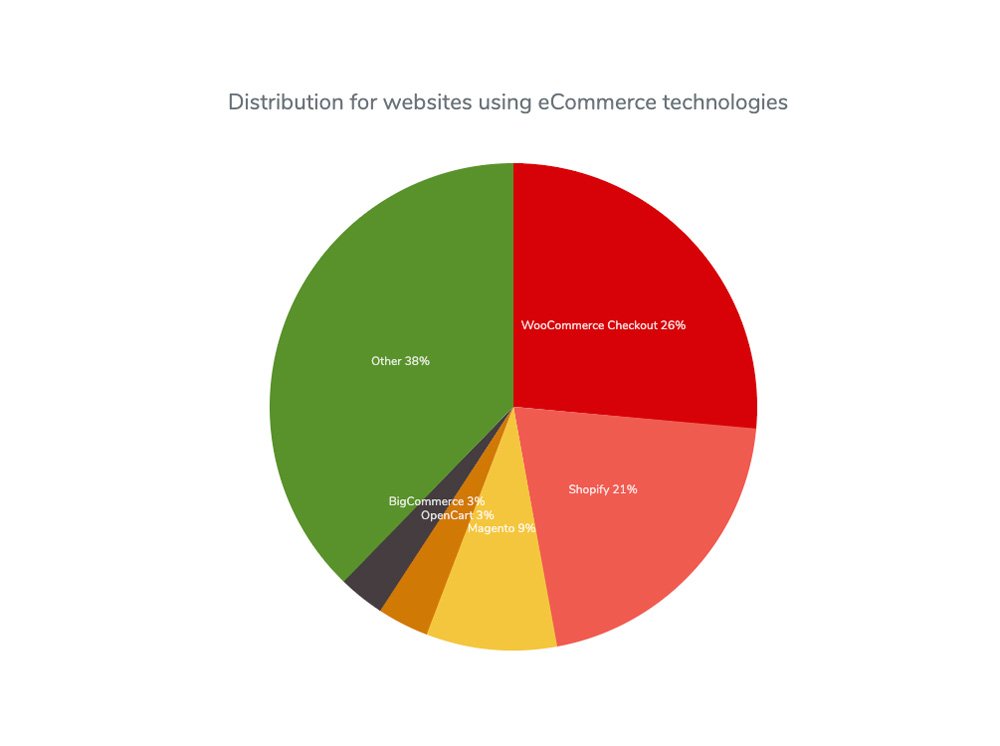
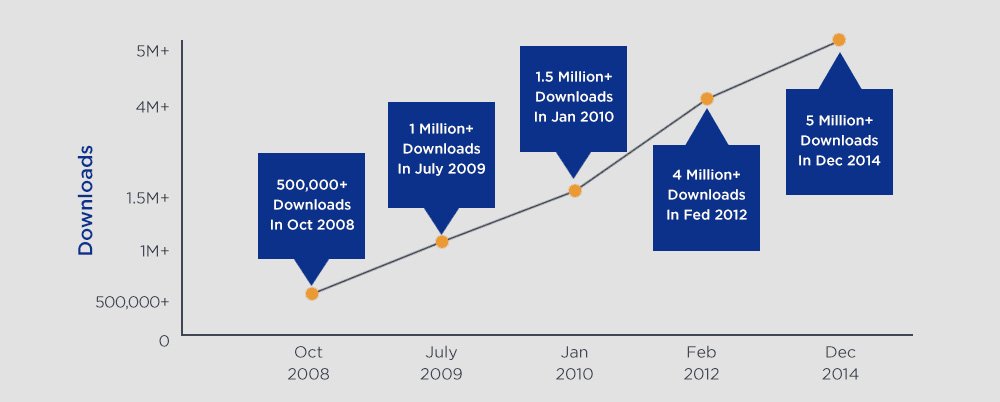
WooCommerce is a powerful eCommerce website developer, open-source software program designed to help users build e-commerce websites using WordPress. This versatile program can quickly create an online store with all the features and functionalities necessary for running a successful business. With WooCommerce, anyone can quickly turn a regular website into a fully functioning e-commerce store.WooCommerce eCommerce website developer plugin is an excellent choice for businesses due to its user-friendly interface and the lack of expertise required. As one of the most popular e-commerce platforms, it holds a market share of 27%, powering 13% of all e-commerce websites.
Pros of Woocommerce

  • Open-Source And Free Usage: Since WooCommerce is built on top of the free and open-source WordPress platform, it has access to the same features. WooCommerce with WordPress is a combination that only few can beat.
  • Simple Developer Documents:  Your developers can quickly grasp the inner workings of the plugin due to the precise documentation, enabling them to begin the customization process immediately.
  • Multi-Payment Gateway Support: This plugin offers a variety of payment gateways, from PayPal, Square, and Stripe to other options, so you can pick the one that works best for you.

Cons of Woocommerce

  • Premium Offerings Of Useful Features And Extensions: If you want to expand your functionality with some significant features, you’ll have to fork out premium extensions.
  • Execution: WooCommerce is a plugin with enough power to influence your store’s performance. Additionally, the more third-party plugins you link to your store, the slower it will run, decreasing the speed of loading pages.

 Magento 2- Brief Overview

Magento is a powerful e-commerce platform that uses open-source technology to give its users complete control over their online store’s design, functionality, and content. It makes it easy to customize the shopping experience without sacrificing product quality. Magento eCommerce includes helpful tools and features like marketing, SEO, and catalog-management capabilities. In 2020, Magento was one of the top three most popular platforms for store owners to migrate to, while only a few merchants chose alternatives.

Pros

  • Superior Conversion Flexibility: The Magento eCommerce community is a great resource, providing a platform to unite individuals with similar interests. Through events, meet-ups, and more, its members can network, collaborate, and ask questions, helping to further their knowledge and expertise.
  • Enthusiastic Community Support: The Magento community is a great resource, providing a platform to unite individuals with similar interests. Through events, meet-ups, and more, its members can network, collaborate, and ask questions, helping to further their knowledge and expertise.
  • Improved Security And Scalability: Magento for eCommerce is an ideal platform for businesses looking to grow, with its flexible structure and high scalability capabilities. It also offers top-notch security and regular updates to safeguard your store from malicious attacks and hacking. No matter what stage of growth you’re at, Magento won’t let you down.

Cons

  • Resource-Centric Program: Magento requires a more significant amount of server resources.
  • Time Constraints: Magento is an eCommerce platform necessitates a considerable amount of effort to be devoted to the upkeep of the store regularly. Should any issues arise, this investment of energy and resources increases significantly to address the problem.

Why Should You Migrate WooCommerce To Magento 2?

Magento 2 has been released as an upgraded version of Magento 1 and has quickly become a popular choice among eCommerce platforms, surpassing WooCommerce in terms of sales and business performance. Its superior features, customization options, and improved SEO have made it a desirable choice for many businesses. It is why many enterprises are looking for ways to WooCommerce to Magento 2 data transfer to take advantage of its superior capabilities. Below are some of the reasons:

  • Improved Performance: WooCommerce is free and straightforward, which draws in small business owners worldwide. On the other hand, Magento offers powerful paid features that give users more flexibility, scalability, extensibility, and performance to use the eCommerce platform. Migrating to Magento 2 is essential because of its impressive performance and scalability. It boasts a full-page caching system that boosts the speed of web pages when enabled. It will significantly improve loading times and give customers a better overall experience.
  • Superior Features and Processing: Magento eCommerce platform is quicker as compared to WooCommerce due to its superior front-end features that are compiled and processed with AJAX. This improved speed will help you to increase your sales and conversion rate. Furthermore, Magento has discontinued support for Magento 1 as of June 30th, 2020.
  • Mobile-friendly Approach: Magento for eCommerce is designed to be mobile-friendly, allowing users to access your online store from their phones with ease. It also offers enhanced responsiveness, improved visuals, and simplified checkout processes for mobile users, making it an excellent choice for businesses that want to provide a high-quality mobile experience.

With a large number of smartphone users worldwide, estimated to be around 3.5 billion in 2020, it is critical to migrate to Magento 2 to ensure you are on the same platform as your customers.

Step By Step WooCommerce To Magento 2 Data Migration Process  

Stage 1: Data Backup Preparation Before Migration

Both experienced, and novice store managers need to regularly back up their websites. This helps make it easy for you to export data from WooCommerce. The critical components of any database, like those used in e-commerce, need to be safeguarded to protect against data loss during the data migration processes. There are three ways to backup WooCommerce store information. Below are some of them:

1. Backup Using Web Host

Many WordPress hosting providers offer backups as part of their standard package or as an additional service. Usually, they provide daily backups, but getting a host that offers real-time backup service can be more challenging. If you’re looking to back up your database through your hosting company, you may have to do extra work to find the right one. Below are the steps:

  • First, contact your web hosting provider and get the most recent backup for the data migration processes.
  • Alternatively, a MySQL manager can manually export your database and save it to a local folder.

2. Manual Data Backup

For manual data backup, and to export data from WooCommerce, you need to download your WordPress website to your computer. Use an FTP tool such as the File Manager or FileZilla in the cPanel of your web host account. Once you have done this, you must back up your database by accessing phpMyAdmin via your host database panel. From there, select the database from the wp-config.php file and select all the tables before clicking the Export button to back up the data.

3. Backup Via WordPress Plugin

Backing up a WordPress website is easy with the help of a backup plugin. Installing one is a straightforward process, and there are a variety of plugins available to choose from, like BackupBuddy BlogVault, and UpdraftPlus, that make the process of conducting and managing backups quick and effortless.

Stage 2: Install The Magento 2 Solution

The Magento platform needs installation to export store data from the WooCommerce store to the Magento 2 store (Adobe Commerce). For the data migration processes, one should follow these steps:

  • Download the Magento software package;
  • Configure FTP;
  • Upload the Magento archive to the hosted system using FileZilla;
  • Run the Setup Wizard.

Stage 3: Types Of Methods To Migrate WooCommerce To Magento 2

There are three distinct methods to move your WooCommerce store to Adobe Commerce: doing it yourself manually, employing a professional company, or utilizing an automated shopping cart migration service. We will look at these approaches in detail, and you can decide which is best for you.

Method 1: Manual Migration Process

When you manually migrate store data, you must take two steps. First, export the data from WooCommerce, and then import it into Adobe Commerce (Magento).

Step 1: Export WooCommerce Store Data

  • To export data from WooCommerce plugin of WordPress, open the admin panel, select the output file as CSV, and click the Export button. It will download a CSV file with all the orders.
  • To export data from WooCommerce, log into the WooCommerce admin panel, then select Product Import-Export. There will be several options for product export to choose from after that step.
  • Choose the product attributes you wish to export, then click the ‘Export Product’ button to complete the process.
  • We can export customer data from the WooCommerce store to finish up. To do this, navigate to the Customer Import-Export section of the admin panel in WooCommerce.
  • You can choose the specific checkboxes you want to export from the WooCommerce admin panel. Additionally, you can export all customer data by clicking on the Export Users option. It will allow you to export customer information successfully.

Step 2: Import Data into Magento 2

To import the exported WooCommerce data into Magento, you need to break it down into smaller parts:

  • You can import files of customer data that involve customer information, such as names and email addresses.
  • You can import product photos and details, such as prices, descriptions, and inventory.
  • You can import store data information on advanced pricing and other features.
  • Once you have broken down the data, you can easily import it into Magento.

Method 2. Automation-Based Shopping Cart-Centric Migration Tools

This service makes transferring from WooCommerce to Magento straightforward, even if you need more technical expertise. Transferring all types of entities (including custom fields, orders, product categories, and customers in your store) to your new home is simple and efficient. The process is straightforward and hassle-free. In this stage, you can also opt for an extra option that will help in extending the data import functionality.Magento store

Step 1: Choose Your Preferred Shopping Cart Migration Tool And Access It

To connect WooCommerce as the Source Cart Type, enter the WooCommerce URL in the designated space, then click the Connector button to download the connector. Unzip the file and upload the connector to the root folder of the Source Store.

Step 2: Setup Source/Target Store Connectors

You can migrate your data to Magento eCommerce platform or just specific aspects such as Orders. Target store connectors also provide additional options to extend your migration Products and Customers possibilities. In addition, it includes the “Customer Password Migration” feature, which allows you to transfer your customers’ passwords to the new store. Thus, they can log in generally after the migration is complete.

Step 3: Complete The Migration Process

Begin your trial migration with a set number of entities. You will observe the same steps as the accurate migration. Press the “Skip Demo Migration” button to initiate complete migration immediately. Please be aware that when the migration has been started, it will proceed automatically on the server.

Step 4: Check If the Migration Successful

Once the migration is completed, verifying that all the data has been transferred correctly during the data migration process to your Magento store is essential. Make sure to inspect your data both in the back and front of your store.

Method 3: Hire Dedicated Experts

Moving all the data from your WooCommerce with WordPress store manually is not only time-consuming, but also carries a lot of potential risks. Hiring a professional web developer or freelancer who is experienced in this may be a good idea.

WooCommerce to Magento Migration Experts

Despite all the positives of WooCommerce for services, the truth is that it’s not meant for substantial business websites. You might face problems with WooCommerce regarding scalability, design freedom, and creative exposure.After all, WooCommerce is only limited to WordPress-based websites. It is where you can decide to shift to Magento for its advanced features that WooCommerce cannot provide for your business website.Magento is simply a much bigger platform and one that can change the way you do business. These are some of the best WooCommerce to Magento 2 service providers in the market:

1. WeDoWebApps LLC

Wedowebapps LLCWeDoWebApps is a leading player in Magento migrations. It offers expert eCommerce website development. They are a global business and have helped multiple businesses and company websites migrate from one platform to another. WeDoWebApps offers customized solutions when it comes to website development for eCommerce to make it suitable for specific niche services and business ideas. Their website Magento development services are empowered with in-built capabilities to make the website of your e-commerce store more adaptive and responsive. Their eCommerce website development cost is much affordable They offer several Magento services to their customers, such as-

  • Magento Consulting
  • Magento E-commerce
  • Custom Magento Development
  • Magento Support and Maintenance
  • Magento Extension Development
  • Magento Theme Development
  • Magento PWA Development
  • Magento 2 Website Development
  • Migration Services to Magento

They provide the best service in the field and have a comprehensive experience regarding the various challenges involved in the process. They come highly recommended by all rating services and other critics. Thus, they can be a valuable partner in your e-commerce venture. 

2. React Native App Development Company 

React native app development companyReact Native App Development Company was one of the first agencies in the market to adopt Magento 2 when it appeared in 2015. They are providing stellar services in digital domain migration, website development for eCommerce and working with leading global brands to improve their e-commerce business capacity and market share. They are working with companies to improve their e-commerce visibility and marketing problems through various e-commerce platforms. Furthermore, they are a multi-award-winning agency and one of the best regarding WooCommerce to Magento migration. Read also about Grow your E-Commerce business with best Woocommerce Development Services

Conclusion

WooCommerce and Magento 2 are the two big names in the Ecommerce world. They are two powerful content management platforms that dominate the industry. However, with some latest upgrades, Magento 2 or Abode Ecommerce has become more significant in the market. Comprehensive features like security, better performance, and scalability have recently attracted enormous attention. As a result, it simplifies the data migration process with these features.Woocommerce to magentoIf you are considering transitioning from WooCommerce to Magento 2 to increase your business’s potential, WeDoWebApps is here to help. We specialize in both Ecommerce Website Development and Mobile App Development and have completed 500+ projects, all of which have resulted in satisfied customers. Many of our customers have come back to us for more projects or to recommend us to others. It is an accomplishment of which we are very proud.

How To Make The Switch From PrestaShop To Magento 2

As your online business grows, your current eCommerce platform may become insufficient. 

Magento 2 is a fantastic choice if you’re already running the PrestaShop site but looking to upgrade to a more robust and scalable platform. The reason is clear, Magento 2 is an excellent eCommerce solution for businesses of all sizes, thanks to its powerful features and flexibility. 

However, while migration can be daunting, it can also result in data loss and downtime. 

This article will guide you step by step through the data transfer process from PrestaShop to Magento 2, so you can confidently make the switch.

Prestashop and Magento 2 Usage Worldwide

Reasons to Choose Magneto 2 Over PrestaShop for Migration 

The release of Magento 2 has led to a migration trend across the web towards it.  As for the overarching platform, PrestaShop has been surpassed by Magento 2 in several areas, making it the number-one platform for online retailers. 

The following is a list of 3 noteworthy features that make Magento a more attractive eCommerce platform than PrestaShop, causing a trend of Magento migration from PrestaShop.

Features Due To Which You Should Move To Magento 2 From PrestaShop

1. Empowering Admin Experiences

PrestaShop and Magento will provide unique features to launch and manage your online store, regardless of your chosen platform. 

It is important to note that both platforms support your business by providing simple built-in features like import and export capabilities, payment processing, order management, essential analytic/statistical tools, etc. 

They help you run your business smoothly. A unique feature of this platform is that it allows you to create bulk products (a grouping of several products) and combinations (products with variants of colors and sizes).

Magento offers the same basic features as PrestaShop for launching and managing your store. Nevertheless, its modern and fully functional user interface can enhance your productivity. 

Some features available in the Magento admin site, such as automatic email marketing reminders, private sales, reward points, gifting options, etc., are available by default. 

However, using PrestaShop requires finding and installing modules from the Addons section to use some of the above-mentioned functions.

2. Agile And Increased Scalability

As part of the Magento Commerce (a.k.a. adobe commerce) version, you can access many out-of-the-box and advanced features, enhanced security, and customer support. Magento 2.0 offers comprehensive performance and scalability improvements:

  • Increasing order processing rate by a remarkable margin on the same hardware 
  • The server responds almost instantly when browsing a catalog
  • Reduce response times for the cart and checkout pages by more than double 
  • An improved process for handling extra-large records and large customer lists 
  • Support administrative users on the backend with more professional assistance 

Additionally, Magento supports touch-friendly and easy-to-customize mobile responsive themes. Moreover, Prestashop does not have mobile-friendly themes by default, but you can add them from the Addons section.

There is also one significant difference between Magento and PrestaShop: Magento allows you to choose from two different versions of eCommerce solutions, namely Magento Open Source (aimed at small and mid-size stores) and Magento Commerce (aimed at medium and large stores). Therefore, merchants have an excellent opportunity to scale up their businesses.

3. State-Of-The-Art SEO Features

Despite being very different yet similar, PrestaShop and Magento have some basic SEO options, such as page titles, meta descriptions, or personalized URLs. 

However, PrestaShop requires the installation of additional modules if it is to meet SEO criteria, whereas Magento provides a wide range of built-in SEO features.

The Rich Snippets feature is one of the most significant improvements that Magento 2 SEO offers. The rich snippets can now be added to the default Magento 2 functionality, rather than requiring an extension to use them. 

In addition, you can improve your product pages’ SERP (Search Engine Result Page) visibility by implementing structured data. 

Aside from that, Magento makes it easy to add Product Labels and create Schema.org (A structured data markup schema that helps search engines understand information on web pages and provide richer results) without any additional extensions.


Magento commerce

The PrestaShop to Magento 2 Migration Process

Switching from PrestaShop to Magento is worthwhile because of its powerful features, wider community, enterprise-level options, and many other factors. 

Unfortunately, Magento 2’s standard automated migration tool doesn’t support all entities associated with e-commerce sites. 

Nevertheless, some solutions fix the missing import process, automate data migration (if you want to migrate slowly), and resolve the issue with different attribute standards in just a few clicks. Furthermore, it integrates with ERPs, CRMs, marketplaces, databases, and more.

1. Migrate from PrestaShop to Magento 2 Using Data Files

  • Download and install the extension

You will need to install an extension on your PrestaShop website so that you will have access to XML, CSV, and JSON files so that you can import and export all your data, such as products, orders, customers, catalogs, and other entities, via official PrestaShop Store. 

The installed extension will allow you to choose any file format you wish to export your data. 

  • Create an import job in Magento 2 admin

The next step would be to go to your Magento 2 admin area once your PrestaShop store has been transferred to data files. Then, create a new job under System -> Improved Import / Export -> Import Jobs.

  • Configure Settings and Apply Mapping

Configure the General Settings, Import Settings, Import Behavior, and Import Source according to your business requirements. 

  1. The General Settings feature allows you to set up a schedule of updates and specify a job title;
  2. Click Import Settings on the PrestaShop menu and select one of the following entities to migrate: Products, Categories, Customers, Advanced Pricing, Orders, Attributes, Cart Price Rules, CMS Pages and Blocks. Each entity has its own characteristics. As an example, you can remove product associations like product data, tier price for products but not orders;
  3. Select the appropriate import behavior, validation strategy, and separators in Import Behavior;
  4. Choose the type of import file and its source in Import Source. Ensure all other parameters are configured, then upload and validate the file.
  5. You can now map PrestaShop attributes to Magento 2 attributes.
  • Create entity-wise import jobs.

Set up a separate import job for each entity in the system and configure it accordingly.

  • Run the import processes.

With the assistance of the data files, run multiple import processes to migrate from PrestaShop to Magento 2.

2. Migrate from PrestaShop to Magento 2 Using API

  • To import data into Magento 2, go to the admin area and create a new job. Firstly, go to your Magento 2 admin, and under System -> Import / Export -> Import Jobs, you will find the option to create a new job.
  • Configure General Settings according to business needs and use API.

Depending on your business needs and requirements, configure General Settings, Import Settings, Import Behavior, and Import Source;

  1. To migrate PrestaShop entities to Magento 2, set ‘Use API’ to ‘Yes’ in Import Settings and select Product, Category, Customer, Advanced Pricing, Orders, Attributes, Cart Price Rules, CMS Pages and Blocks. Each entity has its unique features. For instance, you can remove product associations or old categories; 
  2. Pick an import behavior option and validate the import strategy along with all the separators needed in Import Behavior;
  3. Configure other parameters and validate your import file in Import Source, then select the import file type (XML or JSON).
  4. You can now map PrestaShop attributes to Magento 2 attributes using mapping.
  • Specify Import Source

Set up a separate import job for each entity in the system and configure it accordingly.

  • Run Process.

Using an API connection, you can run multiple import processes to migrate from PrestaShop to Magento 2.

What Are The Most Important Post-migration Activities To Perform?

Once you have successfully migrated from PrestaShop to Magento 2, there are a few things you should consider to make your new online store run smoothly. 

You must perform these activities to optimize your store’s performance and maximize online sales. You should complete the following vital post-migration tasks to ensure successful Magento 2 migration and launch.

1. Install New Themes

You cannot migrate themes from PrestaShop to Magento, so you must use a third party or design it yourself to give your store a visual presentation.

Magento provides users with only 10 free and paid themes in Marketplace (paid versions cost from $30.00 to $499.00), limiting users’ options. As a result, you need to be well-versed in the technical side of Magento or have a good team of developers to design and add the code. 

Magenest’s store offers some professional themes that experienced web designers design for the best front-end selection.

Prestashop to Magento

2. Add New Extensions

Magento Marketplace has nearly 3,000 extensions that can help you enhance your store in every way. In addition, installing some extensions can help you enhance your store’s performance.

3. Change DNS And Switch Domains

After completing your shopping cart migration, the first thing you should do is change the domain of your PrestaShop to a Magento domain name. 

4. Set Up Shipping And Payment Gateways.

The Magento Marketplace has 394 apps available for you to choose from if you want to opt for third-party payment methods. 

5. Testing

After completing the entire migration process, you must now test your store to see if it works as expected. Placing a test order will help you better understand your customers’ purchasing journey. As a result, you can make some changes to make the journey more enjoyable and easier.

Test orders can be run for the following types of transactions:

  • Performing successful and unsuccessful transactions with billing address
  • Canceling and refunding an order with shipping address
  • Order fulfillment or partial fulfillment
  • Creating a successful order and saving it

Conclusion

Migrating from PrestaShop to Magento 2 can be intimidating, but it’s well worth it for businesses wanting to grow their online stores. Through Magento 2’s advanced features and customization options, you can enhance your store’s performance, streamline your operations, and provide a better customer experience. 

In addition, you can ensure a smooth migration by following the steps outlined in this guide and planning it carefully. Then, you can successfully migrate to Magento 2 with patience and attention to detail.

Are you looking for a service provider that can help you migrate from Magento 1 to Magento 2? Wedowebapps is an ideal choice for this. Whether you want to migrate your business to Magento or make it a smooth and hassle-free process, WeDoWebApps has the expertise to help you. Learn more about Zen Cart to Magento 2 migration and gain insights into understanding Magento data migration for a comprehensive understanding of the process.

Magento 2 Extensions: Best Magento Add-Ons For Your Store Growth

Introduction

Magento, out of the box, is a powerful eCommerce platform.

But no successful Magento store runs on core features alone.

Every high-performing Magento store relies on a carefully selected set of Magento 2 extensions and Magento add ons to extend functionality, improve user experience, and support business growth.

Whether it is improving search, simplifying checkout, optimizing SEO, enhancing performance, or automating marketing, the right extension in Magento can directly influence how customers interact with your store, and whether they convert.

For startups, SMBs, and enterprises, the challenge is not finding extensions. It is knowing which Magento 2 extensions actually add business value and which ones slow the store down.

This guide walks you through the best extensions for Magento 2, including must-have categories, free Magento 2 extension options, and practical insights into Magento 2 extensions installation. You will also learn how to choose the right add-ons for your business and when to involve Magento experts for setup and optimization.


Magento 2 extensions consultation for store growth

What Are Magento 2 Extensions (and Magento Add Ons)?

A Magento 2 extension is a software component that adds new features or extends existing functionality of a Magento store.

Simply put, an extension in Magento allows you to customize how your store works without modifying core code.

Magento add ons can be used to:

  • Improve user experience
  • Add marketing and sales tools
  • Enhance store performance
  • Strengthen security
  • Automate operations

These extensions plug directly into your Magento store and expand its capabilities.

Magento Core vs Magento 2 Extensions

Magento core provides essential eCommerce functionality such as:

  • Product management
  • Cart and checkout
  • Customer accounts
  • Order management

However, most advanced features, such as one-page checkout, advanced SEO, smart search, or loyalty programs, come from Magento 2 extensions.

This modular architecture is what makes Magento highly flexible.

How Magento Add Ons Work

Magento add ons are built using Magento’s extension framework.

They:

  • Integrate with existing store features
  • Can be enabled or disabled easily
  • Are upgrade-friendly when built correctly

This allows businesses to add functionality without rebuilding their entire store.

Why Extensions Are Central to Magento Store Customization

No two Magento stores are exactly the same.

Extensions make it possible to:

  • Tailor stores to business needs
  • Support different industries
  • Scale functionality as the business grows

This is why selecting the right Magento 2 extensions is a strategic decision, not just a technical one.

Key Takeaway: Magento 2 extensions are the building blocks that transform a standard Magento installation into a fully customized, growth-ready eCommerce platform.

Why Magento 2 Extensions Are Essential for Store Growth

Magento provides a strong foundation, but extensions are what turn that foundation into a competitive advantage.

The right combination of Magento 2 extensions and Magento add ons helps businesses improve customer experience, increase operational efficiency, and drive higher conversions.

Here’s how extensions directly support store growth:

Improve User Experience and Navigation

Extensions enhance how customers browse and interact with your store.

Examples:

  • Advanced search and filtering
  • Product sliders and quick view
  • Personalized recommendations

Better UX leads to longer sessions and higher conversions.

Increase Conversion Rates

Many best extensions for Magento 2 focus specifically on removing friction in the buying process.

Such as:

  • One-step checkout
  • Guest checkout
  • Smart upsells and cross-sells

These extensions help convert more visitors into buyers.

Support Marketing and SEO Efforts

Magento add ons allow deeper control over:

  • Meta tags and URLs
  • Structured data
  • Email marketing automation
  • Promotions and discounts

This helps attract qualified traffic and convert it effectively.

Enhance Store Performance

Performance-focused extensions help with:

  • Caching
  • Image optimization
  • Lazy loading

Fast stores provide better experiences and rank higher.

Improve Security and Reliability

Security extensions add:

  • Firewall protection
  • Malware scanning
  • Login protection

They protect customer data and business reputation.

Automate Operations

Extensions can automate:

  • Inventory sync
  • Order processing
  • Customer notifications

Automation reduces manual work and errors.

Key Takeaway: Magento 2 extensions are not optional add-ons. They are growth enablers that directly influence sales, scalability, and customer satisfaction.

Categories of Magento 2 Extensions You Should Know

With thousands of Magento 2 extensions available, understanding the main categories helps you quickly identify what your store actually needs.

Below are the most important extension categories for modern Magento stores.

UX & Navigation Extensions

Improve how customers browse your store.

Examples:

  • Advanced search
  • Layered navigation
  • Product filters
  • Quick view

These extensions enhance discoverability and reduce bounce rates.

Checkout & Payment Extensions

Focus on simplifying purchases.

Examples:

  • One-step checkout
  • Guest checkout
  • Additional payment gateways
  • Buy-now-pay-later integrations

Checkout-focused Magento add ons directly impact conversions.

SEO & Marketing Extensions

Support traffic acquisition and promotion.

Examples:

  • SEO optimization tools
  • URL management
  • Email marketing integrations
  • Coupon and promotion tools

These help attract and convert visitors.

Performance & Speed Extensions

Optimize store speed.

Examples:

  • Cache management
  • Image optimization
  • Lazy loading

Speed affects both SEO and user experience.

Security Extensions

Protect your store.

Examples:

  • Firewall
  • CAPTCHA
  • Malware scanning

Security builds customer trust.

Analytics & Reporting Extensions

Provide insights into store performance.

Examples:

  • Enhanced reports
  • Customer behavior tracking
  • Sales dashboards

Data-driven decisions lead to better growth.

Key Takeaway: Understanding extension categories helps you build a balanced Magento ecosystem that supports growth.

Best Extensions for Magento 2 (Curated List)

There is no single “best” extension that fits every store. The best Magento 2 extensions are those that solve specific business problems and improve customer experience, conversions, or efficiency.

Below is a curated list of must-have extension types most Magento stores benefit from.

SEO Optimization Extension

Purpose: Improve visibility in search engines.

Typical capabilities:

  • Meta tag management
  • XML sitemap generation
  • Rich snippet support
  • Canonical URLs

Business value: Higher organic traffic and better rankings.

One-Step Checkout Extension

Purpose: Simplify checkout process.

Typical capabilities:

  • Single-page checkout
  • Guest checkout
  • Address auto-fill
  • Real-time validation

Business value: Lower cart abandonment and higher conversions.

Advanced Search & Filter Extension

Purpose: Improve product discovery.

Typical capabilities:

  • Smart search suggestions
  • Attribute-based filtering
  • Category filters
  • Price sliders

Business value: Faster product discovery and better UX.

Product Reviews & Ratings Extension

Purpose: Build trust.

Typical capabilities:

  • Verified buyer reviews
  • Star ratings
  • Review moderation
  • Photo reviews

Business value: Increased buyer confidence and conversions.

Email Marketing Integration Extension

Purpose: Automate communication.

Typical capabilities:

  • Abandoned cart emails
  • Welcome sequences
  • Promotional campaigns
  • Customer segmentation

Business value: Improved retention and repeat sales.

Performance Optimization Extension

Purpose: Speed up website.

Typical capabilities:

  • Full-page caching
  • Image optimization
  • Lazy loading

Business value: Faster site, better SEO, better UX.

Security Extension

Purpose: Protect store.

Typical capabilities:

  • Firewall
  • Malware scanning
  • Login protection

Business value: Data protection and trust.

Key Takeaway: The best extensions for Magento 2 are those aligned with your business goals, not just popular listings.


Magento extensions optimization by experts for store growth

Free Magento 2 Extensions Worth Installing

Not every extension needs to be paid.

There are many free Magento 2 extension options that can add meaningful functionality, especially for startups and early-stage stores.

However, free extensions should be chosen carefully.

Common Use Cases for Free Extensions

Free Magento 2 extensions are often suitable for:

  • Basic SEO enhancements
  • Simple checkout improvements
  • Basic security features
  • Small UX enhancements

They work well when requirements are simple.

Examples of Free Extension Types

  • Basic SEO tools
  • Simple cache management
  • Contact form enhancements
  • Basic review extensions

These can cover foundational needs.

Advantages of Free Magento 2 Extensions

  • No upfront cost
  • Faster deployment
  • Good for testing functionality

Limitations of Free Extensions

  • Limited features
  • Minimal customization
  • Little or no support
  • Slower updates

As stores grow, these limitations become more noticeable.

When to Upgrade to Paid Extensions

Consider premium extensions when you need:

  • Advanced functionality
  • Reliable support
  • Better performance
  • Long-term scalability

Key Takeaway: Free Magento 2 extensions are a good starting point, but serious growth usually requires premium or custom solutions.

How to Choose the Right Magento 2 Extensions for Your Business

Choosing extensions based only on popularity often leads to performance issues and unnecessary costs.

The right approach is to select Magento 2 extensions based on business goals and technical fit.

Start With Business Objectives

Ask:

  • Do you want more conversions?
  • Better SEO?
  • Faster performance?
  • Easier operations?

Your goals determine extension priorities.

Check Compatibility With Your Magento Version

Extensions must support:

  • Your Magento version
  • PHP version
  • Other installed extensions

Compatibility issues cause conflicts.

Evaluate Performance Impact

Poorly built extensions can slow your site.

Look for:

  • Lightweight code
  • Caching support
  • Performance reviews

Review Vendor Reputation and Support

Choose extensions from vendors who:

  • Provide documentation
  • Offer regular updates
  • Provide support

Support matters long-term.

Consider Scalability

Ensure the extension can handle growth.

  • Large catalogs
  • High traffic
  • Advanced configurations

Balance Free vs Paid Extensions

Free works for basics. Paid works for advanced needs.

Key Takeaway: Choosing fewer, high-quality Magento add ons is better than installing many low-quality ones.

Magento 2 Extensions Installation: What Businesses Should Know

Installing a Magento extension is not just about uploading files. Improper Magento 2 extensions installation can break functionality, slow performance, or create security vulnerabilities.

Understanding the basics helps businesses avoid costly mistakes.

Common Installation Methods

Magento 2 extensions are typically installed via:

  • Composer (recommended)
  • Magento Marketplace
  • Manual upload

Composer-based installation is the most reliable and update-friendly.

Check Server and System Requirements

Before installation, verify:

  • PHP version compatibility
  • Magento version compatibility
  • Required libraries

Skipping this step often causes errors.

Always Take a Backup First

Backups protect your store if something goes wrong.

Backup:

  • Files
  • Database
  • Media

Never install extensions on production without a backup.

Test in a Staging Environment

Extensions should be tested on a staging site before going live.

Testing helps identify:

  • Conflicts
  • Layout issues
  • Performance impact

Verify Functionality After Installation

After installation:

  • Clear cache
  • Reindex data
  • Test affected features

Confirm everything works as expected.

Keep Extensions Updated

Outdated extensions create security and compatibility risks.

Schedule regular updates.

Key Takeaway: Proper Magento 2 extensions installation protects your store’s stability and performance.

Common Mistakes When Installing Magento Extensions

Many Magento store issues do not come from the extensions themselves, but from poor selection, improper installation, or lack of maintenance.

Avoiding these mistakes can save businesses significant time, money, and lost revenue.

1. Installing Too Many Extensions

Every extension adds code, database queries, and dependencies.

Problems caused by excessive extensions:

  • Slower page speed
  • Higher server load
  • Increased conflict risk
  • Difficult troubleshooting

Only install extensions that deliver measurable business value.

2. Choosing Extensions Based Only on Price

Free or cheap extensions may look attractive, but they often lack:

  • Advanced features
  • Ongoing updates
  • Reliable support

Low-quality extensions can cost more in the long run through fixes and downtime.

3. Ignoring Compatibility Checks

Extensions must be compatible with:

  • Your Magento version
  • PHP version
  • Theme
  • Other installed extensions

Skipping compatibility checks is one of the biggest causes of site crashes.

4. Installing Directly on Live Store

Installing extensions directly on production without testing is risky.

Potential outcomes:

  • Broken checkout
  • Layout issues
  • White screen errors

Always test on a staging environment first.

5. Skipping Full Backups Before Installation

Without backups, rollback becomes difficult if something fails.

You should always back up:

  • Database
  • Files
  • Media

Backups protect your business from major downtime.

6. Using Poorly Coded or Abandoned Extensions

Extensions with:

  • No recent updates
  • No documentation
  • No support channel

pose security and stability risks.

Check vendor reputation and update history.

7. Not Monitoring Performance After Installation

Some extensions quietly slow down websites.

After installation:

  • Check page load times
  • Monitor server usage
  • Review frontend behavior

Performance monitoring is essential.

8. Ignoring Security Updates

Outdated extensions are common attack vectors.

Security patches must be applied regularly.

9. Overlapping Functionality

Installing multiple extensions that perform similar tasks creates conflicts.

Example:

  • Two SEO extensions
  • Multiple cache tools

Use one well-built extension per function.

10. Lack of Documentation and Change Tracking

Not documenting installed extensions makes future troubleshooting difficult.

Maintain a record of:

  • Installed extensions
  • Versions
  • Customizations

Key Takeaway: Most Magento extension problems are avoidable. Careful selection, proper testing, and ongoing maintenance are essential for stable store performance.

Why Businesses Hire Experts for Magento 2 Extensions

Magento 2 extensions can significantly improve store functionality, but only when they are selected, installed, and configured correctly.

Many businesses attempt to manage extensions internally and later face performance issues, conflicts, or security risks. This is why startups, SMBs, and enterprises choose to work with Magento experts.

For stores with custom workflows, large catalogs, or advanced integrations, working with a dedicated Magento development team can help ensure a smoother and more reliable migration experience.

Experts Help Select the Right Extensions

Professionals evaluate:

  • Business goals
  • Store architecture
  • Existing extensions
  • Performance constraints

This prevents unnecessary or incompatible installations.

Secure and Correct Installation

Experts follow best practices for:

  • Composer-based installation
  • Version control
  • Server configuration

This reduces technical risks.

Extension Customization

Out-of-the-box extensions rarely match business needs perfectly.

Experts customize:

  • Features
  • Layouts
  • Workflows

Customization ensures better fit.

Conflict Resolution

Professionals quickly identify and fix conflicts between extensions, themes, and Magento core.

This minimizes downtime.

Performance Optimization

Experts optimize:

  • Caching
  • Database queries
  • Code structure

Ensuring extensions do not slow the store.

Ongoing Maintenance

Magento experts:

  • Apply updates
  • Patch security issues
  • Monitor performance

This keeps the store stable long-term.

Key Takeaway: Hiring Magento experts turns extensions into business assets, not technical liabilities.


Magento 2 extensions installation and customization by experts

Conclusion: Turn Magento 2 Extensions into a Growth Advantage

Magento 2 extensions are more than optional add-ons. They are essential building blocks that shape how your store functions, performs, and converts.

From improving user experience and checkout flow to strengthening SEO, security, and performance, the right Magento 2 extensions and Magento add ons directly influence business growth.

However, success does not come from installing as many extensions as possible.

It comes from:

  • Choosing the right extensions
  • Installing them correctly
  • Customizing them for your business
  • Maintaining them over time

For businesses that want reliable results, working with experienced Magento Development Services providers ensures extensions are implemented strategically, securely, and with performance in mind.

If your goal is to build a scalable, high-performing Magento store, investing in professional Magento expertise is one of the smartest decisions you can make.


Magento 2 extensions optimization and expert setup for stores

Migrating from Zen Cart to Magento 2 and Syncing Data Between Them

Are you running a virtual store on Zen Cart and planning to move to Magento Adobe Commerce Magento 2?

If so, this article is right here to assist you. The latest version, Magento 2, is known for excellent performance, high speed, better debugging, and many other reasons. It is so easy to use and master.

You will find over 100,000 websites now running on this platform. The eCommerce market is expected to have an annual growth rate of 11.51% CAGR, and the projected valuation will be $6.35 trillion by 2027. So, your decision to migrate your online zen cart to Magento will be a huge success, but only when you get the entire migration process right.

To help you in this endeavor, we have explained how you can quickly migrate the store from Zen Cart to Magento.Along with this, we will also highlight the data synchronization process between Zen Cart and Magento store. After all, it powers 0.8% of all websites currently active.


Why Shift From Zen Cart To Magento For Ecommerce Business?

The Zen Cart store allows you to define the set number for max information downloads and the custom fields, like background color, catalog page, header and footer, font style and color, and more. You can also modify the store’s UI at your convenience. But Zen cart has some pitfalls, so you should shift to Magento for better management.

What Are The Pitfalls Of The Zencart Store?

Before deciding on full migration from Zen Cart to Magento, you should know more about the former’s pitfalls. After all, Zen Cart is a reliable platform, and migrating from it to Magento 2 without reason is irrelevant. So, below are some of the significant drawbacks of this PHP-based store management platform you must be aware of.

1.   Doesn’t Support An Extensive Product Database

When you add too many product categories, there is a high chance that the online store will have slowed operation. Therefore, your users will only be able to browse through some of the products quickly, further creating more problems than good. For instance, the CMS pages won’t load quickly on the browser, and that can cause displeasure among your customers. It will increase the bounce rate of your Zen Cart store much higher than expected. Also, you won’t be able to view the transaction protocols or tax rules properly.

2.  Needs End-To-End Coding

One of the primary reasons to opt for Magento migration Zen Cart is the latter’s high dependency on codes. In other words, the themes, font styles and colors, header and footer height, and other UI elements can be customized based on the source codes. You won’t be able to customize the Zen Cart stores. Therefore, it will lead to a dull and bland target store look that will yield nothing in return.

3.   Sudden Server Downtime

When the Zen Cart store URL becomes inaccessible due to sudden server downtime, several stores worldwide suffer substantial monetary losses due to inaccessible storefronts and backends. So, to protect all your data, it is better to migrate the store to MagentoAdobe Commerce. Additionally, consider potential migration downtime issues to ensure a smooth transition with minimal disruption.

4.   Poor Reporting Tools

Another reason to choose data migration for your Zen Cart toMagento is the need for better reporting features. For instance, it only includes the viewable or max download items in the stock status report, which must be clarified because the entire inventory detail must be present. Similarly, you won’t be able to track the tax price or the tier price involved in the reports from Zen Cart.

5.   Slowed Updates

If we compare the pricing estimator for Zen Cart and Adobe Commerce, you will realize how costly using the former eCommerce store management platform is. Although the essential subscription cost for Zen Cart is low, the price is mainly due to the add-ons or the new updates. If you want to access the new features, you need to pay for the same, such as creating customer groups or including multiple languages and defining downloadable products. Read more: 18 Best Magento Migration Companies All Over The World

What Are The Benefits of Zen Cart to Magento 2 Migration?

The migration of Zen Cart to Magento Adobe Commerce is a challenge. It involves the use of in-depth technical knowledge. Therefore, you should be sure about the choice and proceed with old and new data migration.To help you understand the concept better, we have discussed some of Adobe Commerce‘s benefits over Zen Cart.

1.   Content Management System

From helping you create versatile product categories to maintaining customer information, there are several tasks you can perform on the integrated platform of Magento Adobe Commerce. Therefore, you won’t have to worry about the new site not performing well or information not being displayed appropriately.

2.   Mobile Responsive

Your users can place product orders in a few clicks through the Magento mobile store version. This is one of the many reasons to opt for migration Zen Cart to Adobe Commerce. It will further help you promote the target store much better and reach the maximum number of users in the shortest possible time. This further increased the demand for this online store. Mobile Responsive

3.   Highly scalable

Magento migration will further help you to scale the eCommerce target store and improve the overall performance and customer acquisition chances. Whether you want to store the customer IDs differently and update the table details or deploy any UI change to Adobe Commerce, you can do so without changing the source code.

4.   Marketplace integration

Another reason to choose from target store migration to Adobe Commerce is the easy integration with different marketplaces. For instance, you can integrate eBay, Amazon, Target, and other marketplaces to boost online sales. You can also deliver the products to different shipping addresses with the customer name, state, city, zip code, telephone, fax, and more, comply with the tax rules, or add a particular price model to the marketplace through Magento Adobe Commerce.

5.   Customizing security permissions

Lastly, Magento migration steps will also help you to customize the security permissions. For instance, when your users add the billing address or shipping address, they will get a pop-up window asking for access or denying current location knowledge. So, they will have complete independence to decide whether to allow GPS tracking for the Magento Adobe Commerce store. You can also check the reviews created date, reviews updated data, and many more. Therefore, no falsified action is being taken.magento development services

Zencart To Magento 2 Migration Through Data Files

Since Magento depends on related data like product information, order status history, and much more, you can migrate from the Zen Cart Magento store through data files. Below is a brief description or free demo of the same.

1.   Exporting Important data for Adobe Commerce migration

First, you must extract all the Zen Cart data in CSV or XML formats. It should have information like taxes, tax class, downloadable products, product information, shipping price, etc. Zen Cart comes with different extensions that you can use to export the entire related data file to your system.

2.   Importing data to the Magento website

When hiring a migration service or tool, you should give them the entire dataset obtained in XML or CSV format from Zen Cart. It will be imported to Adobe Commerce website to complete part of the migration.You should use the Zen Cart Magento website’s Improved Import & Export extension. Move to the admin portal on Magento 2 and select “create a new import job.”Here, you will get the option termed System. From there, go to Improved Import/Export and then Import Jobs.

3.   Configuring The Settings And Behavior

You must configure four modules to complete data migration between Zen Cart Magento. These are explained below as per the rules of Adobe Commerce.

a.General Settings

Per the Magento Adobe Commerce demo migration, you must write the job title, choose a specific frequency, add the locality, and fill in other optional parameters.

b.Import settings

Here, you must choose the migrated data you want to import, like the customer name, billing address, including state, city, zip code, telephone, fax, as well as a shipping address, product categories, special price, tax rate, source store UI, etc. You can also import the coupon code and coupon date or set how many entities you want to transfer.

c.Import behavior

Select the Import Behavior to migrate fromZen Cart Magento like Add/Update, Replace, Delete. You must also select a Validation Strategy to find bugs, Field separators, and Allowed Error Counts.

d.Import source

Here, you should select the file for free demo migration in the exact format in which you downloaded the data file. You should ensure the data related to Zen Cart is present in the file with maximum accuracy, especially if it involves information like tax class and customer IDS.magento development company

Conclusion

Here, we have walked you through the drawbacks of ZenCart and the advantages you can enjoy after migrating to MagentoAdobe Commerce. Based on the discussions, you can understand how Magento can improve your store’s performance once the migration is successful. Besides, we have also given a complete description of the migration from Zen Cart to Magento. To avail of the migration services at reasonable prices and make client management super easy for your store, visit us now.

Additionally, consider learning more about switching from Prestashop to Magento 2 for further insights into enhancing your eCommerce capabilities with the robust features of Magento.

Salesforce Commerce Cloud To Magento 2 Migration: Everything You Need To Know

Migrating important data of your e-commerce store from Salesforce Commerce Cloud to Magento 2 is one of the most beneficial decisions you’ll ever make!

Here’s why. 

Salesforce’s commerce cloud has many limitations that are not present in Magento 2. Customization capabilities being one of them. 

Magento 2 shines here. It’s backed by advanced technical support and capabilities, unmatched flexibility, and a vast ecosystem of plugins and extensions that’s remains unmatched till date. 

So, if you want to migrate from Salesforce commerce cloud to Magento 2, we are here to help. We make the entire Salesforce migration process effortless with right tools and guidance. 

This blog post will highlight the key advantages of switching from Salesforce Commerce Cloud to Magento 2 and offer empathetic support to address your concerns with easy migration processes.

What is Salesforce Commerce Cloud?

Salesforce commerce cloud

An e-commerce platform based on cloud computing, Salesforce Commerce Cloud is a tool that allows companies to create online stores. 

In addition to product catalogs, shopping carts, order status and management, payment gateways and shipping options, personalized promotions, and other features, Salesforce Commerce Cloud allows businesses to create and customize their online stores. Additionally, the platform provides tools for managing product data, inventory, fulfillment, and customer service.

With Salesforce Commerce Cloud, you can create a seamless customer experience across all touchpoints by integrating it with other Salesforce solutions, such as Marketing Cloud and Service Cloud.

The small startup company, large enterprise, and ecommerce brands use Salesforce Commerce Cloud in fashion, retail, consumer goods, and manufacturing industries.

As part of Salesforce Commerce Cloud, you can also manage inventory, fulfillment, and customer service. The platform was built on a cloud-based, multi-tenant architecture and can be customized through templates, themes, API integration, and development tools. 

Besides SEO and mobile responsiveness, the platform also includes analytics and reporting capabilities as well as a way to integrate with Salesforce products, such as Marketing Cloud and Service Cloud.

Why Migrate From The Salesforce Commerce Cloud To Magento 2?

Despite its popularity with businesses of all sizes, Salesforce Commerce Cloud may not be right for all businesses. Many companies may find the platform lacking certain features and capabilities crucial to their success. 

Magento 2 is the answer to that problem. With Magento 2, businesses can grow and thrive online with more comprehensive and flexible e-commerce tools and features. However, here are some areas where Salesforce Commerce Cloud falls short.

Salesforce Pitfalls

Salesforce simplifies the sales process and provides an excellent omnichannel experience, but a few disadvantages can cause you to overlook its strengths. Here they are:

  • Unpredictable ownership cost

A Salesforce subscription costs a percentage of your overall revenue, meaning the more successful you become, the more Salesforce charges. Such policies make it difficult for merchants to plan ahead.

  • Separate B2B and B2C capabilities

The Salesforce platform does not offer the ability to combine B2B and B2C operations. Therefore, unless you require a CMS that gives B2B and B2C functionality, Salesforce may not interest you.

  • Insufficient customization opportunities

There is limited customization possible with Salesforce SaaS. As a result, delivering a unique user experience is challenging, which is an essential component of a successful online business.

Magento vs salesforce commerce cloud

  • Small commerce-focused community

An extensive CMS community can be a valuable resource for solving platform-related issues. Unfortunately, there aren’t enough Salesforce users with the expertise necessary for a particular niche or location in the Salesforce community. Thus, Salesforce support is more challenging to rely on without a dedicated support team during an emergency.
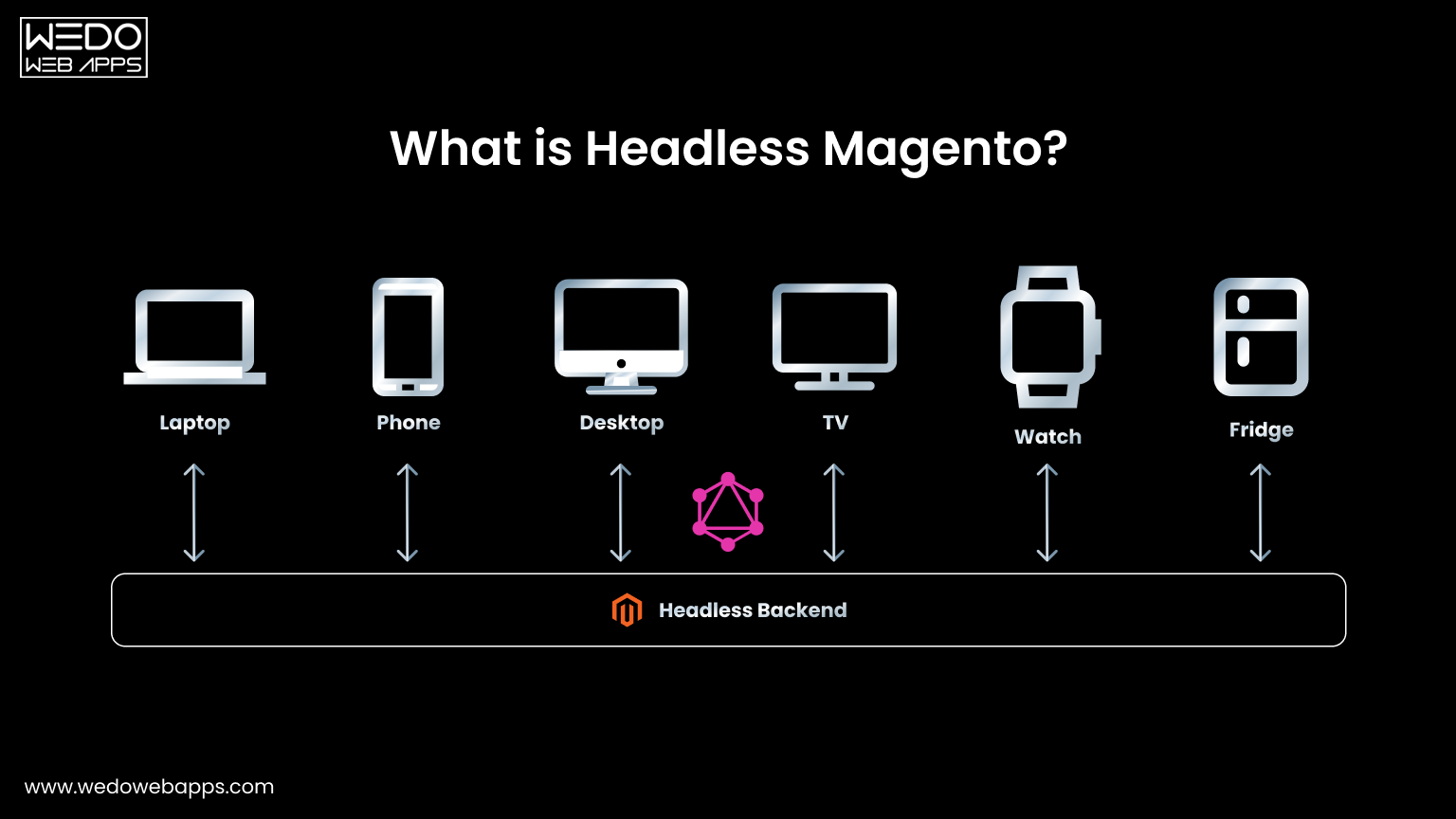
How Can Magento 2 Be Fit For Your Needs?

With so many e-commerce platforms, choosing which will fit your business’s unique requirements can be challenging. However, Magento 2 is gaining popularity among businesses of all sizes because of its scalability, flexibility, and customization capabilities.

With Magento, many sellers have already skyrocketed their sales, notably:

  • Delivering diverse user experiences allows online entrepreneurs to gain a competitive advantage, Complete control, and unconditional flexibility;
  • Technology and tools for advanced business intelligence;
  • The Magento community is large, with many user cases, making it an excellent partner for e-commerce;
  • The architecture and infrastructure are modern and optimized.

Magento vs Salesforce Commerce Cloud – Overview

  • Medium- and large-sized businesses can benefit from Magento Commerce (now Adobe Commerce) and Salesforce Commerce Cloud (formerly Demandware).
  • Powered by PaaS (Platform as a Service), Magento offers flexibility and customization. Magento offers B2B and B2C platforms optimized for market segments.
  • With over 300,000 stores, Magento is one of the oldest and most widely used eCommerce platforms.
  • Magento provides maximum flexibility to brands for creating bespoke experiences.
  • Since Magento is an open-source platform, developers can download and modify its code. Due to this, it has the largest community of third-party developers. Magento may not offer a feature you need, but a plug-in can provide it.

Salesforce Commerce VS Magento 2 Pricing

You can choose from three versions of Magento: Magento Open Source, Magento Commerce, and Magento Commerce Cloud. 

Using Magento Open Source costs nothing, but customizations are likely needed to meet customer expectations, which means you’ll spend money on the development, which can be costly. 

In addition, additional costs, such as hosting ($10–50/month) and domain registration ($10–400/year), can add up.

A Magento Commerce Cloud subscription includes a hosting fee. Also, a license fee is negotiable for the premium versions (contact a Magento sales representative for a quote based on your specific business requirements).

Here are the license costs for Magento Commerce and Magento Commerce Cloud.

Magento 2 Pricing Based on Gross Revenue
Gross revenue-generating companiesMagento 2 CommerceMagento 2 Commerce Cloud
$0 – $1 million$22,000.00$40,000.00
$1 – $5 million$32,000.00$55,000.00
$5 – $10 million$49,000.00$80,000.00
$10 – $25 million$75,000.00$120,000.00
$25 – $50 million$125,000.00$190,000.00

On the other hand, even though Salesforce Commerce Cloud license costs are negotiated based on the enterprise’s size and revenue, there is a starting price tag. 

Salesforce offers three plans for B2B: commission fees per order, gross merchandise value (GMV), and Subscription-based model. 

With the starter packs, you have all the essential features that will enable you to go to market quickly. However, as you move up the ladder, other features, including support for multiple channels and multiple storefronts, are available.

Here is Salesforce Commerce Cloud’s pricing plan:

Pricing Plans by Market Segment
Market SegmentsPlans
StarterGrowthPlus
B2B Commerce$4 Price Per Order (billed annually)$6 Price Per Order (billed annually)$8 Price Per Order (billed annually)
B2C Commerce1% Gross Merchandise Value (billed annually)2% Gross Merchandise Value (billed annually)3% Gross Merchandise Value (billed annually)
B2B2C Commerce1% Gross Merchandise Value (billed annually)

Plugins And Extensions For Magento Vs Salesforce Commerce Cloud

Don’t worry if either platform does not contain a feature you require out-of-the-box; Magento and Salesforce Commerce Cloud offer clear technical documentation for developers and extensions and plugins.

With both the free and premium extensions marketplaces, there is no doubt that the extensions in the marketplaces are of high quality, as both platforms evaluate each extension submitted by a third-party developer for compliance with coding standards and development best practices.

However, Magento has a significant advantage when it comes to extensions. Having a large customer base and more solution partners, Magento has more extensions designed for specific uses. Check out this detailed Migration checklist and start worry-free with Magento 2 migration.

For merchants, Magento offers over 5,800 free and paid extensions to help them with challenges related to marketing, checkout, fulfilment, inventory, order management, etc.

Read more: 18 Best Magento Migration Companies All Over The World

What Is The Best Way To Migrate Salesforce Commerce Cloud Online Store To Magento 2?

  • Getting Started with the Third-Party Extension App

Creating an account or logging in on a website for a third-party migration service is quick and easy. Alternatively, you can use your Google or Facebook account to log in quickly.

  • Getting Started with Your New Migration

Here are two simple steps you must follow:

Providing data from the Source store (Salesforce Commerce Cloud)

Data from the Target store (Magento 2)

  • Providing source store data to Salesforce Commerce Cloud

Click the Create New Migration button on the Migration Page to begin a new migration. Next, choose Source Cart Type, then enter the URL of the source store.

  • Provide target store data using Magento 2

Once the Target Cart Type option has been selected, enter the URL of the source store.

You can choose the connection for your third-party app after downloading the connector, unzipping it, and uploading it to the Target Store’s root folder.

This screen automatically displays the Connector Installation without requiring any manual intervention.

  • Select the Source Store Entities you want to migrate.

Select all entities or specific data to move—for instance, only Products, Customers, and Orders.

You can extend your migration options by selecting your third-party app (if your extension app offers these options). In addition, the new store will match languages, order statuses, and customer groups to display information appropriately.

Follow the instructions in the form that appears to export your data files from your source store and upload them into this form.

Magento 2 commerce cloud

Start the full migration immediately, or try the demo first.

  • Use The Demo

Ensure you have a manageable number of entities when starting your demo migration. Alternatively, you can skip demo migration by clicking “Skip Demo Migration”. 

  • Executing The Complete Migration

To perform complete migration immediately, please click “Skip Demo Migration”. During your data move, please be patient; once completed, your chosen third-party app system will notify you by email. Now, your data will be migrated to your new preferred store.

Custom Themes and Extensions Migration

Migrating custom themes and custom-developed extensions from Salesforce Commerce Cloud to Magento 2 is a critical step in ensuring your online store maintains its unique look and functionality. For a detailed guide on this process, refer to our article on migrating custom themes and extensions.

Magento Store Cpanel to Cloud Migration

Migrating your Magento store from Cpanel to cloud can significantly enhance your store’s performance, scalability, and security. Learn more about the benefits and process of Magento store Cpanel to cloud migration.

Read also:-Important Segments An Android Application

Conclusion

To conclude, migrating your Salesforce Commerce Cloud store to Magento 2 has the potential to be challenging, but it can also be transformational. You can take your online store to the next level by choosing Magento 2, a platform with the technical capabilities, flexibility, and customizability you need. 

However, migrating to a new platform can be challenging and requires planning and execution. Choosing an ecommerce migration services provider with a proven track record of successful migrations is crucial to a business’s ecommerce migration.

Work with WeDoWebApps as we can handle the entire migration process from start to finish. With us, you can make an informed decision about your e-commerce business’s future and ensure it’s successful in long term.